


How to Protect a Wound From Dirt and Environmental Contamination
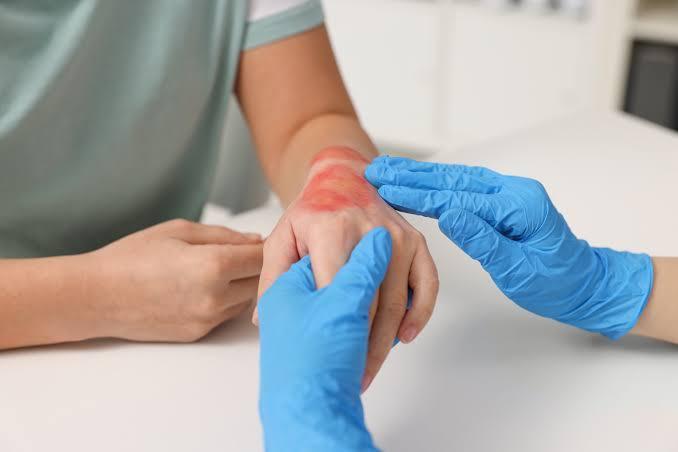
Protecting a wound from dirt and environmental contamination is an important part of maintaining a clean wound-care routine. Wound Dressing at Home in Dubai can provide professional support for patients who need regular dressing changes while recovering in a familiar environment. A Doctor at Home may provide appropriate medical guidance when necessary, while trained healthcare professionals can help patients follow recommended wound-care practices. Whether a wound results from surgery, an injury, or a chronic condition, keeping it protected from unnecessary exposure to dirt, dust, moisture, and other contaminants can support appropriate wound management.
Why Protecting a Wound From Contamination Matters:
A wound represents a break in the skin's natural protective barrier, which means external contaminants can reach vulnerable tissue more easily than they can through intact skin. Dirt, dust, unclean hands, and contaminated surfaces may introduce microorganisms to the wound area. Protecting the wound does not guarantee that infection will be prevented, but careful hygiene and appropriate covering can reduce avoidable exposure. Patients should follow the wound-care instructions provided by their healthcare professional because the ideal level of protection varies according to wound type and location.
Keep the Wound Covered as Instructed:
A suitable dressing can act as a protective barrier between the wound and the surrounding environment. Patients should use the dressing recommended by their healthcare professional and change it according to the prescribed schedule. A dressing should not be removed simply because it feels slightly uncomfortable unless instructions allow it. If the dressing becomes wet, dirty, loose, or damaged, patients should follow their care instructions regarding replacement rather than leaving the wound unnecessarily exposed.
Practice Good Hand Hygiene:
Clean hands are one of the simplest ways to reduce the transfer of contaminants during wound care. Anyone who touches the wound, dressing, or wound-care supplies should perform appropriate hand hygiene beforehand. Hands should also be cleaned after handling a used dressing or completing wound care. Important hygiene practices include:
- Washing hands with soap and water when visibly dirty
- Using an appropriate hand sanitizer when suitable
- Cleaning between fingers and around the fingertips
- Keeping fingernails clean
- Avoiding unnecessary touching of the wound
- Cleaning hands after removing gloves
Create a Clean Dressing Area:
The area where wound dressing takes place should be clean, dry, and organized. Before starting care, unnecessary objects should be removed from the surface where supplies will be placed. Phones, food, pets, household waste, and other potential contamination sources should be kept away from the treatment area. Clean dressing materials should remain protected until they are needed. Preparing the environment in advance can reduce unnecessary interruptions and handling of wound-care supplies.
Protect Wounds From Dust and Dirt:
Dust can settle on exposed surfaces and may contaminate wound-care materials if proper precautions are not taken. Patients should avoid performing dressing changes in areas where there is excessive dust, construction debris, smoke, or strong air movement. If household cleaning or renovation work is taking place, the wound-care area should be moved to a cleaner location when possible. Keeping windows and doors appropriately managed during dusty conditions can also help reduce unnecessary environmental exposure.
Be Careful Around Pets:
Pets are an important part of many households, but they can introduce dirt, hair, and microorganisms into the environment. During wound dressing, pets should be kept away from the treatment area. Patients should also avoid allowing pets to lick or directly contact a wound or dressing. If pet hair or other debris gets onto wound-care supplies, those supplies should be handled according to the healthcare provider's instructions rather than being used without consideration.
Prevent Unnecessary Contact With the Wound:
Touching a healing wound repeatedly can increase exposure to contaminants and may interfere with the dressing. Patients should avoid scratching, rubbing, pressing, or adjusting the wound unnecessarily. If the dressing feels loose or uncomfortable, the patient should follow the prescribed instructions for managing it. Family members should also avoid touching the wound unless they are involved in the patient's wound-care procedure and have been appropriately instructed.
Protect the Wound During Daily Activities:
Everyday activities can expose wounds to dirt, friction, moisture, or accidental contact. Patients should follow their healthcare provider's instructions regarding movement and activities during the healing period. Clothing should not repeatedly rub against the wound or dressing. Patients should also take care when moving through crowded areas, working around soil, or participating in activities that may expose the wound to contaminants. The level of activity should be appropriate for the patient's individual recovery plan.
Keep Wound Dressings Dry When Required:
Moisture can affect some dressings and may create an unsuitable environment around certain wounds. Patients should follow specific instructions regarding bathing, showering, swimming, and other activities involving water. If a dressing becomes wet, patients should not automatically remove or replace it unless their care instructions recommend doing so. A healthcare professional can explain how the particular dressing should be protected from moisture.
Handle Dressing Supplies Carefully:
Clean dressing supplies should be stored in their original packaging or another appropriate clean environment until required. Patients should check packaging for damage before use and avoid placing clean materials on dirty surfaces. Caregivers should only handle the portion of a dressing that can safely be touched according to the product or healthcare instructions. Good supply management can reduce opportunities for accidental contamination during dressing changes.
Avoid Household Substances on Wounds:
People sometimes consider using household products or traditional remedies to protect a wound from contamination. However, substances that have not been recommended by a healthcare professional may irritate tissue or interfere with wound management. Patients should avoid applying powders, oils, creams, antiseptics, or other products unless they have been specifically advised to use them. For complex or chronic wounds, following the prescribed treatment plan is particularly important.
Consider Environmental Conditions in Dubai:
Environmental conditions can affect how patients manage wound dressings. Heat, dust, humidity, and outdoor activities may create additional challenges for keeping dressings clean and comfortable. Patients receiving Wound Dressing at Home in Dubai can discuss practical environmental concerns with their healthcare professionals. Depending on the wound and dressing type, patients may receive guidance about protecting the dressing during outdoor activities, maintaining a comfortable indoor environment, and replacing a dressing when it becomes unsuitable.
Help Children and Older Adults Protect Wounds:
Children and older adults may need additional assistance in protecting a healing wound. Children may touch or scratch a dressing out of curiosity, while older adults with limited mobility may have difficulty checking or protecting a wound independently. Caregivers can help by keeping the dressing secure according to professional instructions and monitoring daily activities. Any repeated dressing removal, unusual wound changes, or difficulty maintaining wound protection should be discussed with a healthcare professional.
Reduce the Risk of Cross-Contamination:
Cross-contamination can occur when contaminants move from one object or surface to another. Caregivers should avoid touching household objects such as phones, door handles, or remote controls while handling wound-care materials. If an object is touched during a dressing procedure, hand hygiene or glove changes may be necessary according to the care procedure. Keeping supplies organized and preparing everything before starting can help minimize unnecessary contact.
Know When a Dressing Needs Attention:
A dressing may require attention if it becomes wet, heavily soiled, loose, displaced, or damaged. Patients should follow their specific care instructions for what to do in these situations. A dressing that no longer provides appropriate coverage should not simply be ignored. If the patient is uncertain about whether a dressing needs to be changed, contacting a healthcare professional can help prevent inappropriate wound-care decisions.
Watch for Concerning Changes:
Protecting a wound from environmental contamination is only one part of wound care. Patients should also observe the wound for changes that may require professional evaluation. These can include:
- Increasing redness or swelling
- Worsening pain
- Unusual or increasing drainage
- Foul or unusual odor
- Fever or chills
- Wound edges separating
- Significant or persistent bleeding
- Rapid changes in the wound's appearance
These symptoms can have different causes, so patients should seek appropriate medical advice rather than attempting to diagnose the problem themselves.
Professional Support for Wound Protection:
Professional wound-care providers can help patients understand how to protect a wound according to its individual characteristics. During Wound Dressing at Home in Dubai, trained nurses can follow appropriate hygiene procedures, handle dressing materials carefully, and provide practical guidance for maintaining the wound between visits. Professional support can be particularly useful for patients with chronic wounds, post-surgical wounds, limited mobility, or dressing routines that require specialized materials.
Final Thoughts:
Protecting a wound from dirt and environmental contamination involves more than simply keeping a dressing in place. Good hand hygiene, a clean treatment area, appropriate dressing care, careful handling of supplies, and protection from unnecessary environmental exposure can all contribute to a safer wound-care routine. Wound Dressing at Home in Dubai offers a convenient way for patients to receive professional dressing support while remaining in their own surroundings. By following individualized healthcare instructions and seeking professional advice when concerning changes occur, patients and caregivers can manage wound protection more carefully throughout the healing process.

 English
 Arabic
 French
 Spanish
 Portuguese
 Deutsch
 Turkish
 Dutch
Dutch
 Italiano
 Russian
 Portuguese (Brazil)
 Greek
Greek