


How to Choose Red Light Therapy Devices for Home Use: 7 Features to Consider
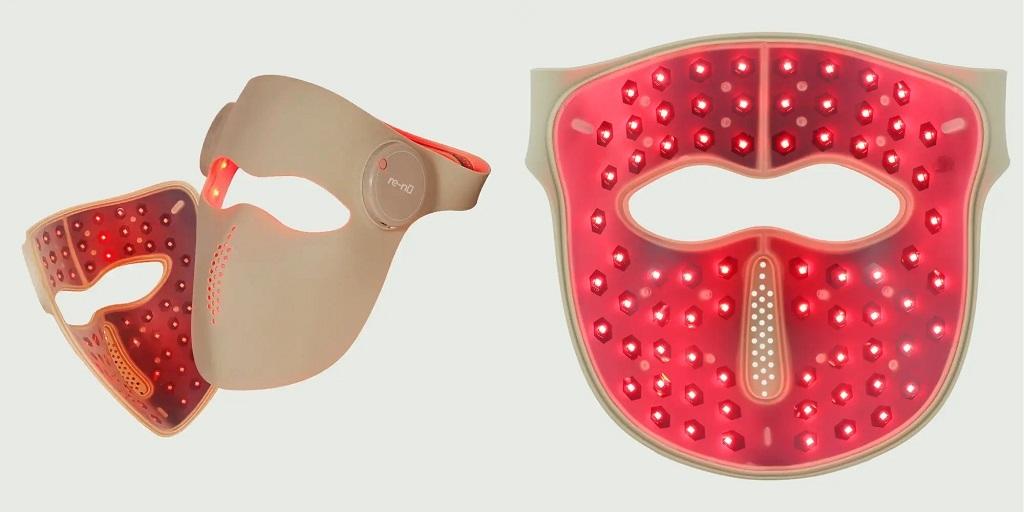
Choosing among red light therapy devices for home use can feel easier when you know which features to prioritize. Devices can differ in wavelength, treatment area, intensity, session length, and design. These details influence how a device fits into your skincare routine. Taking time to compare them can also help you choose an option that matches your preferences and treatment goals.
Start With the Light Wavelengths
Wavelengths determine the type of light emitted by a device. Red light generally targets the skin's surface and upper layers, while near-infrared light can penetrate deeper into tissue.
Look for devices that clearly state their wavelengths rather than relying on general descriptions. Specific information helps you understand what type of light you are using and how the device is intended to function.
Different wavelengths can serve different purposes, so your skincare goals should guide this decision.
Consider the Treatment Area
Device design affects how much skin you can treat during a single session. Facial masks generally focus on the face, while larger panels can cover broader areas.
Think about where you want to use light therapy before choosing a device. A compact option may work well for targeted facial skincare. A larger device can make sense when you want to treat multiple areas.
The treatment area also affects how you position the device and organize each session.
Check Light Intensity and Recommended Distance
Irradiance describes how much optical power reaches a given area of skin. Manufacturers may provide this measurement along with a recommended treatment distance.
These details help you understand how the device should be positioned. Follow the manufacturer's instructions rather than assuming that placing a device closer will produce better results.
Correct positioning provides the intended light exposure while supporting safe, consistent use.
Look at Session Length and Frequency
A device should fit comfortably within the time you can dedicate to skincare. Many light therapy routines involve sessions lasting around 10 to 20 minutes.
Recommended frequency varies between devices. Some manufacturers recommend using their devices several times a week, though specific instructions depend on the technology and design.
Read the treatment schedule before purchasing. A realistic routine makes regular use easier to maintain.
Choose a Device That Fits Your Routine
Convenience can influence whether you continue using a skincare device. Consider how easily you can store, prepare, and use it in your usual routine.
A wearable mask may allow you to remain seated while treating your face. A handheld device can provide more targeted application. Panels require more dedicated space but may cover larger areas.
Your available space, preferred treatment style, and daily habits can help determine which design makes sense.
Pay Attention to Safety Features
Clear instructions should be a priority when evaluating home light therapy technology. Look for information about treatment duration, positioning, recommended frequency, and eye protection when applicable.
You should also review the device's warnings before starting treatment. People with photosensitivity conditions or those taking medications that increase light sensitivity should consult a healthcare professional first.
Following usage instructions helps you incorporate light therapy responsibly.
Set Realistic Expectations for Results
Skincare changes typically develop gradually. Light therapy supports cellular processes that require time, so visible improvements may take several weeks of consistent use.
Your age, skin condition, lifestyle, and existing skincare routine can influence individual results. Taking progress photos under similar lighting can help you notice subtle changes over time.
Consistency also gives you a better basis for evaluating whether a device fits your skincare goals.
Making Light Therapy Part of Your Skincare Routine
Red light therapy devices for home use can complement simple skincare habits when used consistently and according to their instructions. Gentle cleansing, moisturizing, and daily sun protection provide a strong foundation for maintaining healthy-looking skin.
Think about your goals, available time, preferred device format, and treatment area before making a decision. Paying attention to technical specifications can also help you compare products more objectively.
For educational resources and thoughtfully designed light therapy technology, explore re-nū Smart Beauty to learn how to incorporate light-based skincare into your home routine.
For More Information About Microcurrent Device and Red Light Therapy Benefits Please Visit: Re-nū Smart Beauty.

 English
 Arabic
 French
 Spanish
 Portuguese
 Deutsch
 Turkish
 Dutch
 Italiano
 Russian
 Romaian
 Greek