


Are Two-Hour Driving Lessons Better Than One-Hour Lessons?
Introduction
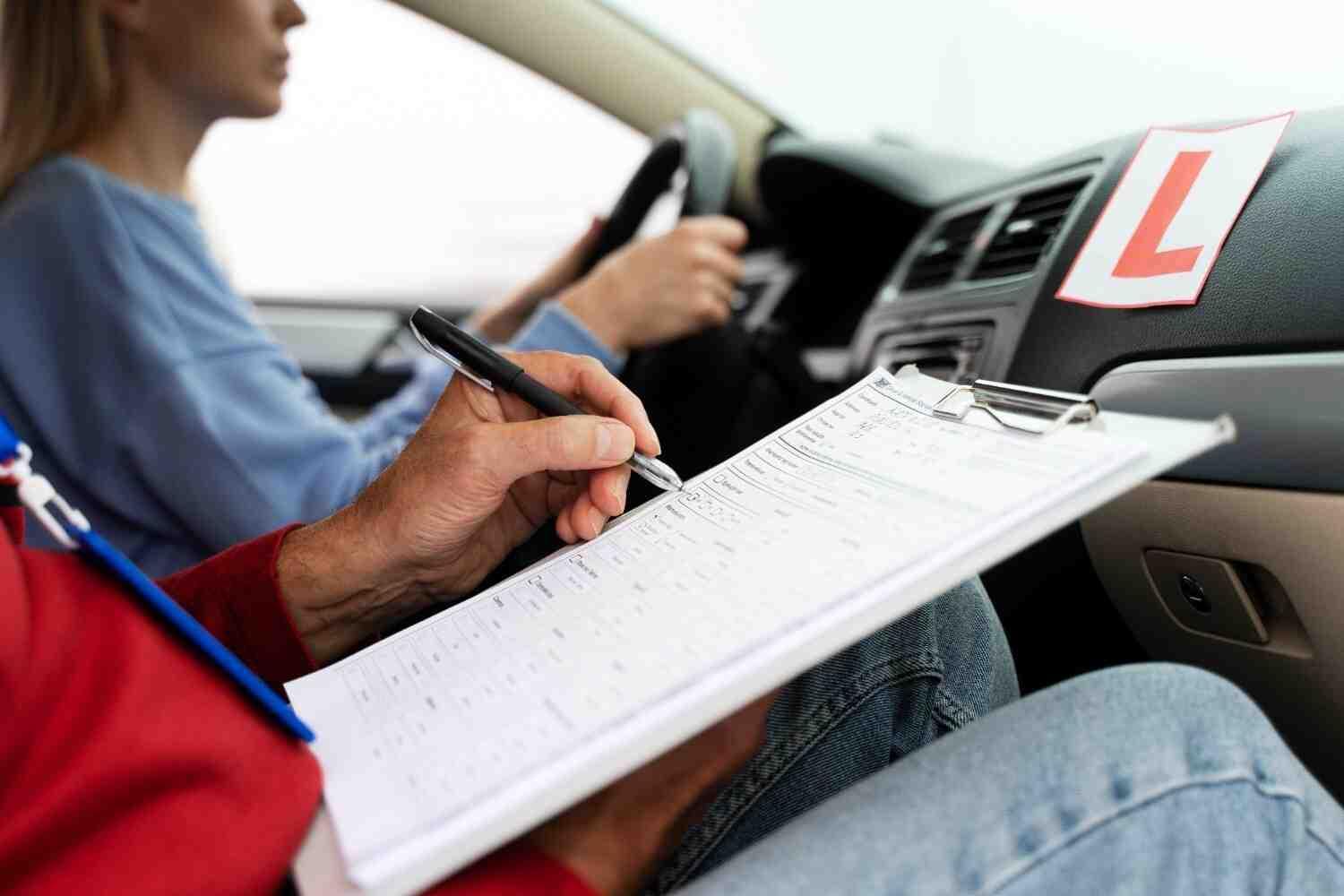
When scheduling a Driving Lesson, the choice between one hour and two hours can affect how the session is structured and how much practical experience a learner receives. A shorter lesson can be ideal for concentrated practice, while an extended session gives the instructor more time to introduce a skill, correct mistakes, and allow the learner to use that skill in real traffic. For professionals in Tasmania, lesson duration can also influence how easily training fits around work and other commitments. Rather than choosing a longer session simply because it offers more time, learners should consider how well that time can be used.
Driving Lesson Structure for Better Practice
A one-hour Driving Lesson can work particularly well when the learner has a clear area to improve. The instructor can focus on one or two skills, such as lane changes, parking, intersections, or speed management. This creates a simple learning cycle: practise, receive feedback, correct the technique, and repeat.
A two-hour session allows that process to continue into more realistic situations. After working on a skill, the learner can apply it on different roads and in changing traffic conditions. This can help determine whether the learner can use the technique independently rather than only during a controlled exercise.
Driving Lesson Convenience for Working Professionals
Professionals often need to make careful use of their free time. A two-hour Driving Lesson may be convenient because several training objectives can be addressed during one appointment. This can reduce the number of separate sessions required and make it easier to plan lessons around working hours.
For professionals travelling throughout Tasmania, an extended session can also provide broader road experience. Depending on the learner's ability, driver training could include urban streets, roundabouts, parking areas, longer routes, and unfamiliar locations.
Driving Lesson Duration and Mental Fatigue
Longer lessons have an important consideration: mental fatigue. Driving requires continuous observation, decision-making, and vehicle control. A learner who becomes tired may absorb less feedback or make mistakes that would not normally occur during a shorter session.
An experienced instructor can manage a longer lesson by varying the driving activities, allowing time for discussion, or taking a suitable break. For beginners who find two hours demanding, regular one-hour sessions may offer more consistent learning.
Driving Lesson Choice for Your Experience Level
The ideal duration often changes as a learner becomes more capable. Beginners may benefit from shorter sessions while developing basic control and confidence. Learners with more experience may find longer sessions useful for assessment preparation, longer journeys, or practising unfamiliar traffic situations.
A professional driving school in Tasmania can help determine the appropriate lesson structure based on ability, goals, schedule, and concentration. Effective driver training should focus on meaningful progress rather than simply increasing the number of hours.
Conclusion
A two-hour Driving Lesson can provide greater road exposure, more flexibility, and enough time to connect several skills during one appointment. A one-hour lesson can offer focused practice and may be better suited to beginners or learners who concentrate more effectively for shorter periods. For professionals in Tasmania, the best option is the one that balances work commitments with productive learning. With personalised driver training from a reputable driving school, learners can develop stronger skills, greater confidence, and safer driving habits regardless of which lesson duration they choose.

 Arabic
 French
 Spanish
 Portuguese
 Deutsch
 Turkish
 Dutch
Dutch
 Italiano
 Russian
 Romaian
 Portuguese (Brazil)
 Greek
Greek