


Bolivia’s Road Development and Vehicle Growth Are Shaping Tire Demand
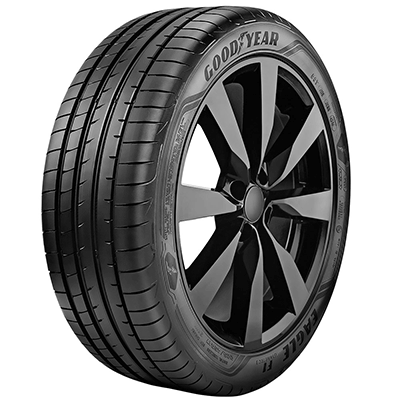
Bolivia’s tire industry is closely connected with vehicle ownership, road infrastructure, transportation activity, and the increasing use of passenger, commercial, and off-road vehicles. The country’s varied terrain and expanding mobility requirements create different tire needs across urban transportation, freight movement, agriculture, construction, and other industrial applications.
The Bolivia tire industry report covers the 2026–2032 period and identifies rising vehicle ownership, transportation and industrial activity, road infrastructure development, and modern vehicle adoption as important factors supporting tire demand. The Industry also points to increasing replacement requirements and demand for durable, high-performance tires across passenger, commercial, and off-road applications.
Vehicle Growth Creates a Recurring Replacement Base
Vehicle ownership provides an important foundation for tire consumption because every operating vehicle eventually requires replacement products. Bolivia’s official vehicle-fleet statistics cover vehicle numbers by department, service type, vehicle class, model, and other characteristics, providing a structured basis for tracking changes in the national transportation fleet. The Bolivian vehicle fleet statistics are updated annually by the National Statistics Institute.
The diversity of Bolivia’s vehicle fleet also creates varied tire requirements. Passenger cars and light vehicles can prioritize comfort, mileage, and road grip, while commercial vehicles generally require greater load capacity and durability. Motorcycles and specialized vehicles add further demand for application-specific tire products.
Road Infrastructure Is Supporting Mobility
Road infrastructure is an important factor in Bolivia’s transportation environment because improved connectivity can influence vehicle utilization and freight movement. The tire study identifies infrastructure development as a key factor supporting replacement demand, particularly as transportation networks expand and modern vehicles are increasingly used across different regions.
Bolivia’s National Statistics Institute maintains separate datasets covering road transportation indicators and infrastructure, including road transport activity by service type and flow. These statistics demonstrate the importance of road transportation within the country’s wider mobility system and provide an official basis for monitoring changes in transportation activity.
Commercial Transportation Requires Durable Tires
Commercial vehicles operate under different conditions from private passenger cars. Trucks, buses, light commercial vehicles, and other transport equipment can accumulate higher mileage and carry heavier loads, increasing the importance of tread durability, load capacity, traction, and resistance to uneven wear.
Bolivia’s geography can make these requirements more pronounced. Vehicles may operate across urban roads, intercity routes, mountainous terrain, and rural areas with varying surface conditions. Tire selection consequently depends not only on vehicle type but also on route characteristics, operating frequency, payload, and road quality.
Replacement Demand Remains Important
Replacement activity provides a recurring source of tire consumption because tire performance gradually declines through mileage, road exposure, loading, weather, and driving behavior. This demand can continue even when new vehicle registrations experience short-term fluctuations.
The report specifically identifies increasing replacement requirements as an important factor supporting industry development. Vehicle owners and fleet operators may evaluate replacement products according to durability, price, tread life, traction, fuel efficiency, and suitability for local operating conditions. These considerations create demand across multiple price and performance categories.
Off-Road Applications Add Another Demand Layer
Bolivia’s mining, agriculture, and construction activities create requirements for tires designed for off-road and heavy-duty applications. Such tires must operate under conditions that can involve uneven surfaces, heavy equipment loads, sharp materials, and demanding work cycles.
The distinction between road and off-road applications is important because tire construction and tread design vary considerably. Heavy equipment operators can prioritize resistance to cuts, punctures, heat, and excessive wear, while agricultural users may focus more on traction and reduced soil disturbance. These differences support a diverse product environment.
Modern Vehicles Are Influencing Product Requirements
The adoption of newer vehicle technologies is gradually changing tire requirements. Modern vehicles can place greater emphasis on safety, energy efficiency, ride comfort, and specialized performance characteristics. Tire manufacturers therefore need to consider how construction, compounds, tread patterns, and rolling resistance interact with newer vehicle platforms.
The report identifies modern vehicle adoption as a factor supporting tire replacement demand. As newer vehicles enter the fleet, replacement purchases can increasingly reflect the technical specifications of those vehicles rather than relying solely on conventional tire characteristics.
Supply and Distribution Remain Relevant
Bolivia’s tire industry also depends on the availability of products across different regions and vehicle categories. Distribution networks need to accommodate varying requirements for passenger vehicles, commercial fleets, motorcycles, agricultural equipment, and off-road machinery.
Geographic dispersion can make inventory planning particularly important. Urban centers may support greater product variety and faster availability, while remote areas can face different distribution conditions. This can influence purchasing decisions, replacement timing, and the range of tire sizes and specifications maintained by distributors.
Technology Is Supporting Tire Development
Advances in tire construction and monitoring technologies are creating opportunities for improved durability and operating efficiency. Manufacturers are developing products around specific applications, while monitoring systems can help fleet operators assess tire condition and maintenance requirements.
Technology adoption is likely to vary according to vehicle category and purchasing power. Commercial and industrial operators may have stronger incentives to use advanced tire solutions when improved durability or monitoring can reduce operational interruptions. Passenger-vehicle demand, meanwhile, can remain more strongly influenced by price, availability, and basic performance characteristics.
Outlook for Bolivia’s Tire Industry
Bolivia’s tire industry is being shaped by vehicle ownership, road infrastructure, transportation activity, replacement requirements, and modern vehicle adoption. Passenger and commercial vehicles provide a broad demand base, while agriculture, construction, and other industrial activities create additional requirements for specialized and off-road products.
Through 2032, the industry’s development will depend on vehicle utilization, infrastructure progress, replacement cycles, and the adoption of newer vehicle technologies. The diversity of Bolivia’s terrain and transportation applications means tire demand is likely to remain differentiated by vehicle type, operating environment, and performance requirements.

 English
 Arabic
 French
 Portuguese
 Deutsch
 Turkish
 Dutch
Dutch
 Italiano
 Russian
 Romaian
 Portuguese (Brazil)
 Greek
Greek