


Warrior Willpower: Portable Hyperbaric Chamber for Home Use Guide
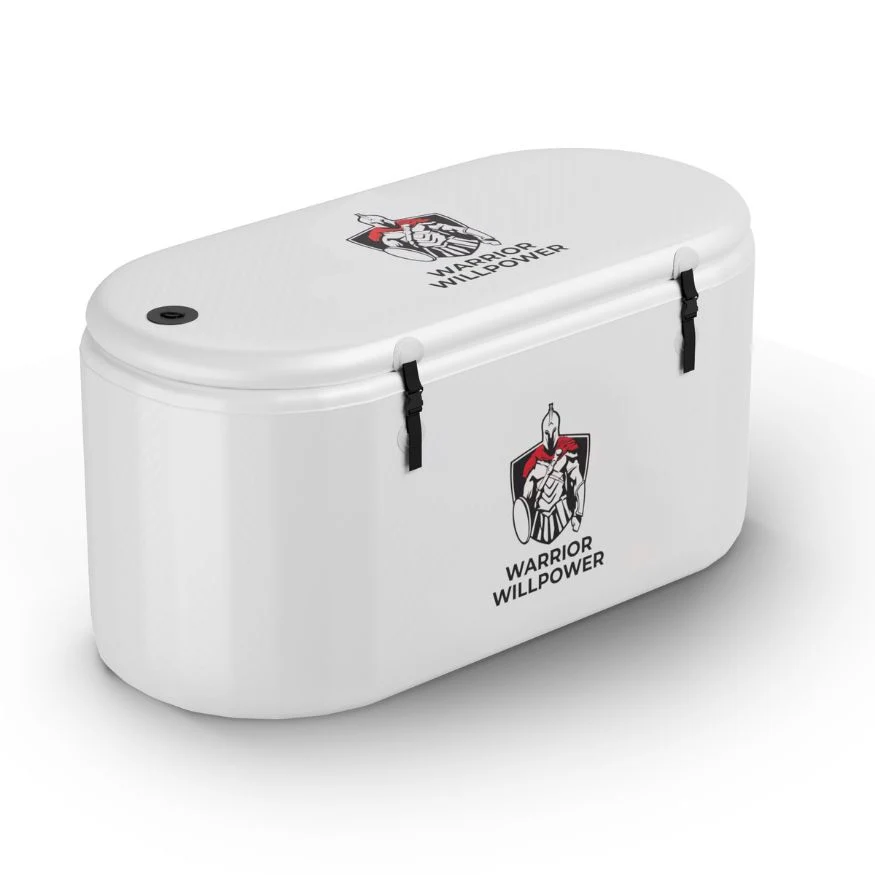
A portable hyperbaric chamber for home use can be an option for people researching convenient chamber setups outside a traditional clinical environment. Portable models are available in different shapes, pressure ranges, materials, and configurations, so understanding the equipment before purchasing is important.
Soft-shell chambers are particularly associated with portability because their flexible construction can make them easier to position and store than large rigid systems. For example, MACY-PAN currently lists the ST801 as a soft lying chamber measuring 225 × 80 × 80 cm with selectable pressure levels of 1.3, 1.4, and 1.5 ATA.
What Is a Portable Hyperbaric Chamber for Home Use?
A portable hyperbaric chamber is a pressurized enclosure designed to create an environment above normal atmospheric pressure. Depending on the model, the system may include a chamber capsule, air compressor, oxygen concentrator, cooling equipment, pressure gauges, and other accessories.
Home-use equipment needs to be considered differently from equipment operated in a medical facility. The FDA notes that home medical devices can involve additional risks related to the user, environment, power supply, and equipment operation, so buyers should review operating requirements before choosing a device.
Soft-Shell Chamber Design
Many portable home chambers use a soft-shell construction. This type of chamber can provide a flexible setup while still incorporating an internal frame or structural components that help maintain its shape during operation. MACY-PAN, for example, lists several soft lying and sitting models designed for portable use.
The main advantage for many buyers is the ability to consider a chamber without committing to the footprint of a large rigid enclosure. However, portability does not mean that the complete system is lightweight. Supporting equipment such as compressors and oxygen concentrators can add considerable weight and require their own space.
Understanding ATA Pressure
ATA stands for atmospheres absolute and is used to describe the pressure inside a hyperbaric chamber. Portable models can have different pressure ranges, so buyers should check the exact specifications rather than assuming every chamber operates at the same level.
For example, the MACY-PAN ST801 is currently listed at 1.3, 1.4, and 1.5 ATA. Its manufacturer also lists different oxygen-concentrator flow rates for these pressure settings. The appropriate pressure and treatment schedule should be determined according to the intended use and, where medical treatment is involved, appropriate professional guidance.
Lying or Sitting Configuration?
Portable chambers are commonly available in lying and sitting configurations. A lying model may be more suitable for someone who wants to remain in a horizontal position, while a sitting design can have a more vertical footprint that may work better in a smaller room.
MACY-PAN's L1 soft sitting chamber, for example, is listed at 140 × 65 × 160 cm and offers 1.3, 1.4, and 1.5 ATA settings. Comparing the room dimensions with the chamber's inflated dimensions can help determine which configuration is practical for a particular home.
Equipment Included With the Chamber
The chamber capsule is only one part of a complete portable system. Depending on the model, buyers may also need an air compressor, oxygen concentrator, cooling unit, tubing, masks, and other accessories.
When comparing products, check the complete package carefully. Useful questions include:
-
Is the air compressor included?
-
Is an oxygen concentrator included?
-
What pressure levels are available?
-
Are cooling and dehumidification components provided?
-
What emergency pressure-release features are included?
-
What warranty and technical support are offered?
The MACY-PAN ST801 specification page, for example, lists a separate compressor, oxygen concentrator, and air cooler alongside the chamber capsule.
Space Requirements at Home
Before purchasing a portable hyperbaric chamber for home use, measure the room where you expect to operate it. Consider not only the chamber's dimensions but also the space required for the compressor, oxygen equipment, cooler, electrical connections, and safe access around the setup.
A chamber should not be placed wherever it simply fits. The surrounding area should remain organized and free from unnecessary clutter. FDA guidance for home-use devices highlights concerns such as fire hazards, tripping hazards, poor lighting, and equipment operating conditions.
Safety Should Come First
Safety is one of the most important factors when considering any hyperbaric equipment for home use. The FDA issued a safety communication in August 2025 concerning HBOT devices after reports of serious injuries and deaths. The agency emphasizes following manufacturer instructions, maintaining fire-prevention measures, using proper grounding, completing appropriate training, and following cleaning and maintenance requirements.
High-concentration oxygen environments require particular attention to fire prevention. Users should follow the equipment manufacturer's rules about clothing, electrical items, static-producing materials, prohibited objects, cleaning, and maintenance rather than creating their own operating procedures.
Portability and Storage
One reason buyers search for a portable hyperbaric chamber for home use is the possibility of having a system that can be positioned or stored more flexibly than a permanent rigid chamber. Soft-shell models can be particularly appealing for this purpose because the chamber capsule itself can be lighter than a rigid enclosure.
However, the full system can be much heavier than the chamber capsule alone. The current ST801 specifications list the chamber capsule at 15 kg, while the listed compressor is 18 kg and the oxygen concentrator is 24 kg, with an additional air cooler weighing 4.5 kg. Buyers should therefore plan for the complete setup rather than focusing only on the chamber's advertised weight.
Oxygen Supply and Airflow
Portable systems can use an oxygen concentrator as part of their setup. The exact oxygen flow rate varies between models and may also change according to the selected pressure. These technical specifications should be checked in the manufacturer's documentation before purchase.
For the ST801, MACY-PAN currently lists oxygen-concentrator flow rates of 5 L/min at 1.3 and 1.4 ATA and 10 L/min at 1.5 ATA. This illustrates why buyers should compare the complete equipment specifications rather than choosing a chamber solely based on its maximum pressure.
Features Worth Comparing
A useful comparison starts with measurable specifications rather than promotional language. Chamber dimensions, pressure range, material, equipment included, emergency controls, viewing windows, warranty, and support can all affect the ownership experience.
Before placing an order, consider these points:
-
Exact chamber dimensions and interior layout
-
Maximum and adjustable ATA pressure
-
Compressor and oxygen-concentrator specifications
-
Emergency release and pressure-monitoring features
-
Electrical requirements and operating environment
-
Warranty, replacement parts, and technical support
-
Delivery, installation, and return arrangements
FDA guidance also recommends checking whether the home's power supply and other environmental requirements are compatible with the device.
Warranty and Customer Support
Specialized equipment can require support after purchase, so warranty terms deserve attention. Buyers should determine what components are covered, how long coverage lasts, and whether replacement parts are available in their region.
Customer support is equally important when a system includes multiple components. Before buying, ask about technical assistance, operating manuals, maintenance procedures, replacement accessories, and what happens if the compressor or oxygen equipment develops a problem.
Choosing a Chamber for Your Routine
The best configuration depends on the user's space, preferred position, storage needs, equipment requirements, and intended use. Someone with adequate floor length may prefer a lying chamber, while a buyer working with limited floor space may investigate a sitting configuration.
It is also useful to distinguish between convenience and medical suitability. A portable design can make equipment easier to accommodate at home, but portability alone does not establish that a chamber is appropriate for a particular medical condition or treatment plan.
Why Explore Warrior Willpower?
Warrior Willpower helps shoppers explore hyperbaric chamber options while considering practical factors such as chamber type, pressure specifications, dimensions, and home-use requirements. A careful comparison can make it easier to understand what is included with each setup.
If you are researching a portable hyperbaric chamber for home use, review the exact model specifications and complete the package before making a purchase. Comparing equipment, safety requirements, warranty terms, and available support can help you make a more informed decision.
Conclusion
A portable hyperbaric chamber for home use can offer a flexible equipment format for people researching home-based chamber systems. Soft-shell lying and sitting models are available in different sizes and pressure ranges, with some systems including separate compressors, oxygen concentrators, and cooling equipment.
Before purchasing, look beyond portability and consider dimensions, ATA range, included equipment, electrical requirements, maintenance, warranty, and safety procedures. Most importantly, follow the manufacturer's instructions and seek appropriate professional guidance when considering hyperbaric oxygen therapy for a medical purpose.

 English
 Arabic
 French
 Spanish
 Portuguese
 Deutsch
 Turkish
 Dutch
Dutch
 Russian
 Romaian
 Portuguese (Brazil)
 Greek
Greek