


What Should Buyers Check in a Refrigeration Electronic Scale?
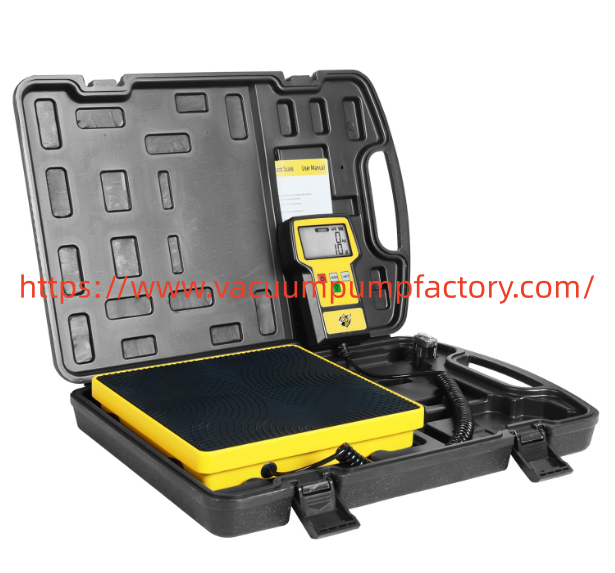
Refrigeration Electronic Scale selection should start with the actual requirements of the service environment. Technicians may use weighing equipment in workshops, service vehicles, commercial facilities, or customer locations. Different applications can involve different cylinder sizes, working spaces, transportation requirements, and operating frequencies. For this reason, buyers should consider capacity, measurement specifications, platform design, controls, power supply, portability, maintenance, and overall construction before deciding which model fits their daily work.
Start With the Expected Load
Capacity is one of the first specifications buyers should review. The equipment should be suitable for the cylinders and containers normally handled during service work. Buyers can consider both the typical load and the maximum load they may encounter rather than choosing a model based only on average usage.
Platform size is also worth checking. A sufficiently sized weighing surface can make it easier to position a cylinder securely. Buyers should consider whether the platform provides enough space without making the equipment unnecessarily difficult to transport or store.
Pay Attention to Measurement Details
Measurement specifications deserve careful attention because technicians often rely on weight readings during service procedures. Buyers can compare the stated accuracy, resolution, repeatability, and weighing range of different models.
It is useful to distinguish between resolution and accuracy. A display that shows smaller increments does not automatically mean that the equipment provides the same level of measurement accuracy. Buyers should therefore review the complete technical specification rather than focusing on one number.
Consistent readings can also be useful in everyday work. If the same load is measured under similar conditions, stable results can make it easier for technicians to monitor changes during a service task.
Consider the Platform Structure
The platform is an important physical part of the equipment. Buyers can examine the material, dimensions, surface structure, base support, and overall construction. These factors can influence how the equipment handles routine use.
A stable platform can make positioning easier, particularly when the equipment is used with larger cylinders. Buyers should also consider whether the surface is convenient to clean and whether the structure is suitable for the environment in which the equipment will normally operate.
Examine the Display and Controls
The display should be easy for technicians to read during normal working conditions. Buyers can consider screen size, number visibility, viewing angle, backlight options, and measurement units.
Controls are equally important. Basic functions such as zero adjustment, unit conversion, and tare operation may be used regularly. A logical control layout can reduce unnecessary steps and help technicians operate the equipment more naturally.
For mobile service teams, the display should remain practical when the equipment is placed on the floor or in another working position. Buyers can therefore consider how the display will be viewed during actual service tasks rather than only examining product photographs.
Review Power Options
Power supply can affect convenience, particularly when equipment is frequently moved between different locations. Buyers should check battery type, expected operating time, charging method, battery indicators, and any external power requirements.
For technicians working at customer sites, a suitable battery arrangement can make equipment easier to prepare for daily use. Buyers should also consider how replacement batteries or charging accessories can be obtained when needed.
Think About Portability
Portability can be an important consideration for field technicians. Weight, dimensions, handles, platform size, and storage arrangements all influence how easily the equipment can be transported.
A service company that regularly moves tools between vehicles and job sites may have different priorities from a workshop that keeps equipment in one location. Buyers should therefore consider their normal transportation routine before deciding which physical design is appropriate.
Match the Equipment to the Workplace
The surrounding environment can influence equipment selection. Workshop floors, outdoor locations, service vehicles, and temporary work areas may present different conditions.
Buyers can consider available space, temperature, moisture, dust, vibration, and general handling conditions. The manufacturer's operating specifications should be reviewed to determine whether the selected model corresponds with the intended environment.
Consider Maintenance Requirements
Maintenance is another factor worth including in the purchasing process. Buyers can ask about cleaning, inspection, calibration, battery replacement, storage, and commonly serviced components.
Easy access to maintenance information can help technicians establish routine checks. It may also help companies plan equipment management over a longer period. Before purchasing, buyers can ask whether operating instructions and maintenance information are supplied with the product.
Review the Supplier Carefully
Product specifications are important, but communication with the supplier can also support the purchasing process. Buyers may need clarification about capacity, operating conditions, accessories, customization, packaging, or technical specifications.
vacuumpumpfactory provides weighing equipment information for buyers who are comparing different requirements and applications. Reviewing the available product details and discussing specific technical needs can help buyers determine whether a particular configuration matches their intended use.
A practical purchasing checklist can include load capacity, measurement specifications, platform design, display visibility, controls, power supply, portability, operating environment, maintenance, and supplier communication. Considering these factors together allows buyers to compare equipment according to their real service conditions rather than relying on a single specification. For more information about weighing equipment and related products, visit https://www.vacuumpumpfactory.com/ and review the available product details according to your application.

 English
 Arabic
 French
 Spanish
 Portuguese
 Deutsch
 Dutch
Dutch
 Italiano
 Russian
 Romaian
 Portuguese (Brazil)
 Greek
Greek