


Decoupling Tank For Flexible Heating Systems
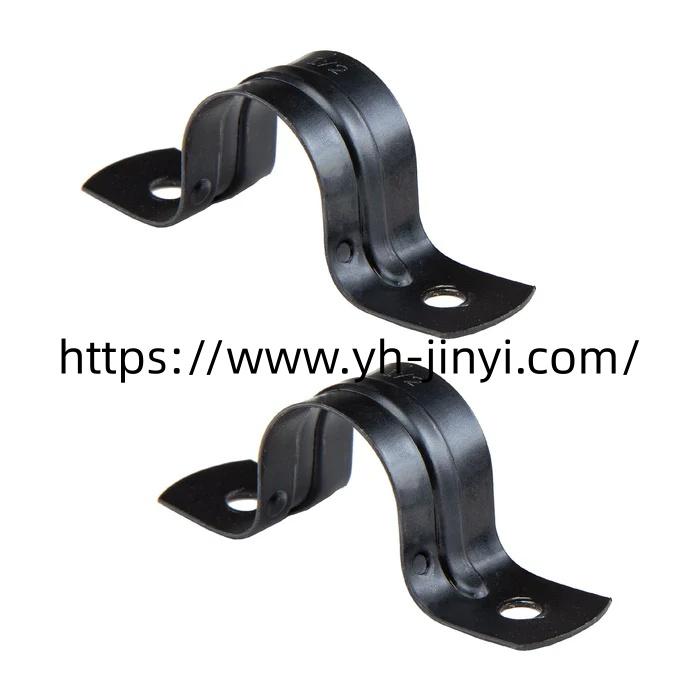
When a heating system contains several circuits with different operating requirements, thoughtful hydraulic planning becomes essential. A Decoupling Tank can provide a practical connection point between separate circulation loops, while the right Decoupling Tank can give designers more freedom when arranging pumps, heat sources, and terminal equipment. Instead of forcing every component to follow the same circulation pattern, a properly planned system can divide responsibilities between different circuits and create a more adaptable overall layout.
Managing Different Flow Requirements
Hydronic systems rarely operate with only one pump or one heating zone. A boiler may supply several rooms, a heat pump may connect with floor heating, or a commercial building may contain multiple distribution areas with different demand patterns.
Separating the primary and secondary sides allows each circuit to be designed around its own requirements. The heat source can maintain its intended circulation, while secondary pumps distribute water according to the needs of individual zones.
This type of arrangement can be particularly useful when system loads change throughout the day. Some areas may require continuous circulation, while others operate only when additional heating is requested. A well-planned hydraulic layout can accommodate these differences without making every circuit dependent on the same pump characteristics.
Improving System Design Flexibility
One advantage of hydraulic separation is the additional freedom it provides during system planning. Designers do not necessarily need to place every heating component in a rigid sequence. Instead, primary and secondary circuits can be organized according to the available space and equipment arrangement.
This can simplify projects where existing pipework must be retained. During renovation work, the original heating circuit may have different characteristics from a newly installed distribution system. A separator can become a practical transition point between the two sections.
For new construction, the same concept can help engineers prepare layouts for multiple heating zones. Radiators, floor heating, fan coil units, and other terminal systems may have different flow demands, making independent circuit planning useful.
JINYI Options For Heating Projects
JINYI provides hydraulic separation products for different heating and HVAC applications. Buyers working on residential systems, commercial projects, heat pump installations, or boiler-based heating can consider different structural configurations according to their system requirements.
For professional procurement, specifications should be reviewed together rather than individually. Connection size, material, working pressure, temperature range, flow capacity, installation direction, and available space can all affect whether a particular configuration fits the project.
Customization can also be valuable for equipment manufacturers. A project may require specific connection arrangements, dimensions, materials, mounting details, or accessory combinations. Discussing these requirements before production can help suppliers develop components that integrate more naturally with the customer's system design.
Making Maintenance More Convenient
Heating equipment needs periodic inspection, and accessibility should be considered when planning the hydraulic layout. A well-positioned separator should leave sufficient working space around its connections and related valves.
Clear pipe routing can make it easier for technicians to identify individual circuits during inspection. It can also reduce confusion when components need to be replaced or adjusted later.
Installation planning should therefore consider both present and future requirements. Designers can review service clearance, pipe direction, insulation space, valve access, and equipment positioning before finalizing the system. These details may seem small during installation, but they can influence how convenient the system is to maintain over time.
Choosing Hardware For Long-Term Projects
For contractors, distributors, and heating equipment manufacturers, selecting hydraulic components involves more than comparing basic product dimensions. The component needs to fit the complete system architecture and work alongside pumps, valves, heat sources, and terminal units.
Procurement teams should also consider production consistency, material options, packaging, customization capability, and communication with the manufacturer. These factors become especially important when components are purchased for repeated projects or incorporated into an existing equipment range.
A flexible sourcing strategy can help buyers match hydraulic hardware with different system configurations without redesigning an entire project around one fixed component. For more information about hydraulic separation products and customized heating hardware, visit https://www.yh-jinyi.com/ .

 English
 Arabic
 French
 Portuguese
 Deutsch
 Turkish
 Dutch
 Italiano
 Russian
 Romaian
 Portuguese (Brazil)
 Greek