


Indoor Air Quality: What Actually Affects the Air You Breathe at Home
Indoor air quality is shaped primarily by ventilation, humidity levels, airborne particles like dust and allergens, and how well a home's HVAC system is maintained, since a poorly maintained system can actually make air quality worse rather than better. Most homes have measurably worse air quality indoors than outdoors, largely because modern construction is built to be airtight for energy efficiency, which also means pollutants, moisture, and allergens have fewer ways to escape once they're inside.
Air quality is easy to overlook because it's invisible most of the time. Unless there's an obvious source like smoke, a musty basement smell, or visible dust, homeowners rarely think about what's actually circulating through their living space. But indoor air quality affects everything from allergy symptoms and sleep quality to long-term respiratory health, and a surprising amount of it comes down to a handful of factors that are actually within a homeowner's control.
Why Indoor Air Is Often Worse Than Outdoor Air
It seems counterintuitive, the outdoors has traffic exhaust, pollen, and industrial pollution, while indoors feels sealed and protected. But energy-efficient construction, the same airtight sealing that keeps heating and cooling bills down, also traps pollutants inside rather than letting them dissipate. Without adequate ventilation, everything from cooking byproducts and cleaning product fumes to dust, pet dander, and off-gassing from furniture and building materials builds up indoors instead of escaping. Older homes with more natural air leakage often have better baseline ventilation almost by accident, even though they're less energy-efficient overall.
The Role of Humidity
Humidity plays a bigger role in air quality than most people realize. Air that's too humid, generally above 50 percent relative humidity, creates ideal conditions for mold, dust mites, and bacteria to thrive, all of which contribute to poor air quality and can trigger allergy or asthma symptoms. Air that's too dry, common in winter when heating systems run constantly, can irritate airways, dry out sinuses, and make homes feel colder than the thermostat suggests, leading some homeowners to overheat their homes just to feel comfortable.
The ideal range for most homes falls between 30 and 50 percent relative humidity. Getting there consistently often requires more than opening a window occasionally, whole-home humidification or dehumidification, depending on the season and climate, tends to produce far more consistent results than portable units addressing one room at a time.
Airborne Particles and Allergens
Dust, pet dander, pollen that makes its way indoors, and dust mite debris are among the most common airborne particles affecting indoor air quality. These particles don't just sit on surfaces, a significant portion stays suspended in the air or gets stirred back into circulation every time an HVAC system runs, someone walks across a carpet, or a door opens and closes. Homes with pets, older carpeting, or limited ventilation tend to have measurably higher particle counts than homes without those factors.
Filtration plays a significant role here, but not all filters are equal. Standard fiberglass filters mainly protect the HVAC equipment itself and do very little to actually clean the air. Higher-efficiency filters, particularly those with a MERV rating of 11 or higher, capture significantly more of the small particles that actually affect air quality and respiratory health, though very high MERV ratings can also restrict airflow if a system isn't designed to handle them.
Ventilation and Fresh Air Exchange
Without some form of fresh air exchange, indoor air quality gradually declines as pollutants accumulate with nowhere to go. Natural ventilation, opening windows, works when weather allows, but isn't practical or efficient during extreme heat, cold, or high pollen periods. Mechanical ventilation systems, designed to bring in fresh outdoor air while expelling stale indoor air, offer a more consistent solution that doesn't depend on weather or an open window.
This is particularly relevant in newer, tightly sealed homes, where the same construction that improves energy efficiency also reduces natural air exchange to nearly nothing. A home that's extremely well sealed for energy performance often needs mechanical ventilation specifically because it no longer gets meaningful fresh air exchange on its own.
The HVAC System's Role
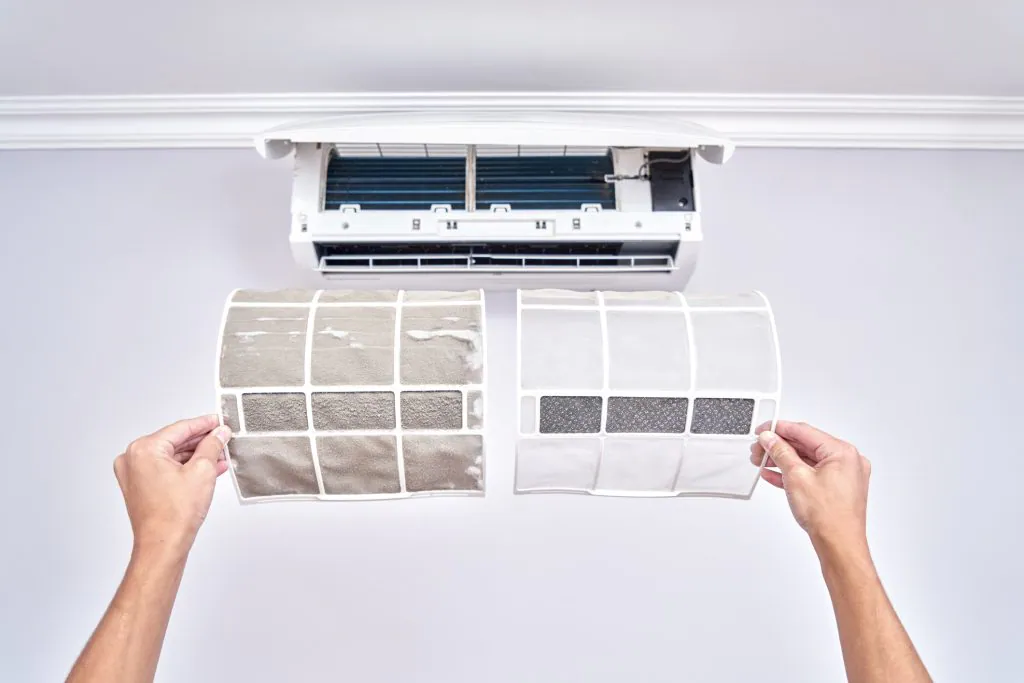
An HVAC system does more than heat and cool a home, it's also the primary mechanism circulating and filtering indoor air, which means its condition directly affects air quality. A dirty filter doesn't just reduce system efficiency, it also means less filtration is happening every time the system runs. Dirty ductwork can actually reintroduce dust and debris into circulating air rather than removing it. And a system that's improperly sized or poorly maintained may struggle to control humidity effectively, compounding the moisture-related issues already discussed.
Regular filter changes, professional duct inspection, and routine system maintenance all directly support better air quality, not just better system performance. This is one of the more overlooked benefits of staying current on HVAC maintenance, most homeowners think of it purely in terms of preventing breakdowns, when it's also doing real work for the air quality of the home.
Practical Steps That Actually Help
Some of the most effective air quality improvements are also the simplest. Replacing HVAC filters on a regular schedule rather than waiting until they look visibly dirty makes a meaningful difference, since filtration efficiency declines well before a filter looks obviously clogged. Running exhaust fans in kitchens and bathrooms actively removes moisture and cooking byproducts rather than letting them spread through the rest of the home. Vacuuming with a HEPA-filtered vacuum reduces the amount of fine dust redistributed into the air during cleaning, rather than a standard vacuum that can push fine particles back out into the room. And addressing humidity proactively, rather than reactively after noticing a musty smell or condensation on windows, prevents the mold and dust mite conditions that are much harder to reverse once established.
FAQs
Is indoor air really worse than outdoor air?
Often, yes. Airtight, energy-efficient construction traps pollutants, moisture, and allergens indoors more than older, less sealed homes, which is one of the less obvious tradeoffs of modern building efficiency.
What's the ideal indoor humidity level?
Most homes do best between 30 and 50 percent relative humidity. Above that range increases mold and dust mite growth, while below it can irritate airways and dry out sinuses.
Do higher-rated air filters actually make a noticeable difference?
Yes, filters rated MERV 11 or higher capture significantly more of the small particles that affect air quality, though it's worth confirming a system can handle the airflow restriction before upgrading to a very high-rated filter.
How often should HVAC filters be changed for air quality reasons?
Most manufacturers recommend every 60 to 90 days, though homes with pets, allergies, or higher dust levels often benefit from changing filters more frequently than that general guideline suggests.
Conclusion
Indoor air quality isn't something most homeowners think about until there's an obvious problem, an allergy flare-up, a musty smell, or a room that never feels quite right. But the underlying factors, ventilation, humidity, filtration, and HVAC maintenance, are consistent and largely within a homeowner's control. Small, regular habits around each of these areas add up to meaningfully better air quality over time, without requiring a major renovation or a complete rethink of how the home is set up.

 English
 Arabic
 French
 Spanish
 Portuguese
 Deutsch
 Turkish
 Dutch
Dutch
 Italiano
 Romaian
 Portuguese (Brazil)
 Greek
Greek