


Why Peer Support Matters in Amputee Recovery: Finding Community Beyond the Clinic
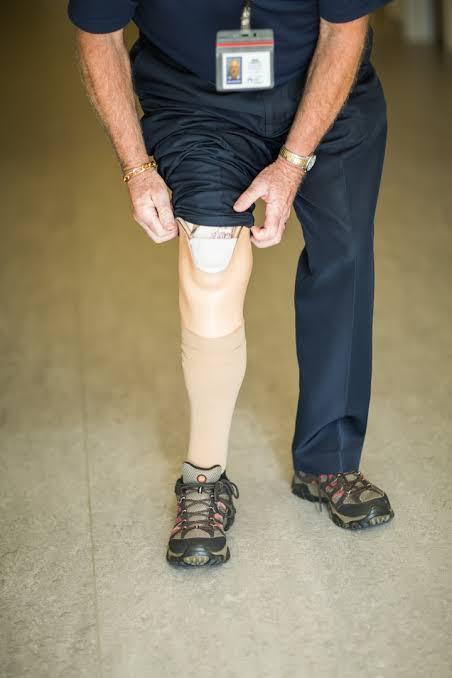
Peer support matters in amputee recovery because clinical care alone doesn't address the emotional and practical adjustment that comes with limb loss, and connecting with someone who has lived through the same experience often provides a kind of understanding and encouragement that a care team, however skilled, simply can't fully replicate. For many amputees, the physical process of fitting and adjusting to a prosthesis is only part of the recovery, the other part is figuring out how to live, work, and stay active with a body that now moves differently, and that's usually where peer connection makes the biggest difference.
Why Clinical Care Alone Often Isn't Enough
A skilled orthotist or prosthetist can build a device that fits correctly, moves naturally, and holds up to daily use, but they can't fully answer the question a new amputee often has in the back of their mind: what does life actually look like now. That question isn't really a clinical one, it's a lived experience question, and it's one that someone who has already gone through limb loss can answer in a way a clinician, no matter how compassionate, generally can't.
This is part of why peer mentorship has become such a standard part of comprehensive amputee care. It's not a replacement for clinical expertise, it's a complement to it, filling in the parts of recovery that happen outside the fitting room and the physical therapy gym.
How Peer Mentorship Typically Works
Peer mentorship in amputee care generally connects a new patient with someone who has already been through a similar experience, often matched by similar circumstances such as level of amputation, cause of limb loss, or lifestyle factors like activity level or occupation. In many cases, this connection can happen even before surgery, giving a patient a firsthand perspective on what to expect before they've faced any of it themselves.
For a new amputee, hearing directly from someone who has already navigated the early uncertainty, the adjustment period, and the return to daily activities can be reassuring in a way that clinical explanations alone can't fully achieve. It also normalizes the process, since seeing someone further along in their own recovery living an active, functional life can shift a patient's expectations from uncertainty toward genuine possibility.
The Role of Support Organizations and Community Groups
Beyond one on one peer mentorship, a wide range of national and regional organizations exist specifically to support amputees and their families. The Amputee Coalition of America, for example, works as a consumer education organization representing amputees to government and industry. Regional groups, sports specific organizations for activities like golf, and broader disability focused nonprofits all provide different entry points into community, depending on what a specific patient is looking for, whether that's practical guidance, recreational opportunities, or simply connecting with others who understand the experience firsthand.
These organizations matter because recovery doesn't happen on a single timeline, and a resource that helps someone in the first few months after amputation may look very different from what helps someone five years into an active, established life with a prosthesis. Having access to a range of organizations means patients can find the kind of support that actually fits where they are in their own process, rather than a one size fits all resource.
Why Timing Matters: Support Before, During, and After
One detail that often gets overlooked is that peer support can begin before a prosthesis is even fitted. For patients facing a scheduled amputation, connecting with a peer visitor ahead of surgery can provide a level of preparation that purely clinical counseling doesn't fully cover, since it comes from someone who has actually lived through the exact transition the patient is about to face.
During the early recovery period, when a patient is adjusting to a new prosthesis and rebuilding strength and confidence, peer support can help normalize the setbacks that are a completely normal part of this stage. And well beyond the initial recovery period, ongoing community connection, whether through local events, national organizations, or simply an established relationship with a peer mentor, continues to matter as life circumstances change and new challenges or questions come up.
Building Peer Support Into Comprehensive Care
The strongest amputee care programs treat peer support as a built in part of the care model, not an optional add on patients have to seek out entirely on their own. This means care providers who are proactive about connecting patients with peer mentors and support resources, rather than leaving patients to discover these resources independently, often during a period when navigating a new search for information is the last thing they have the bandwidth for.
Cornell Orthotics & Prosthetics maintains a support group resource page listing organizations that specialize in supporting amputees and the mobility impaired community, covering everything from national advocacy groups to sports specific associations and financial assistance programs, reflecting the understanding that a strong support network is as essential to recovery as the clinical care itself.
Frequently Asked Questions
When should someone start looking into peer support after limb loss?
There's no single right time. Some patients benefit from peer connection before surgery even happens, while others aren't ready to engage with support resources until well into their recovery. Both timelines are normal.
Is peer support only helpful for new amputees, or does it matter for people who lost a limb years ago?
It matters throughout, not just early on. Life circumstances change, new challenges come up, and ongoing community connection continues to provide value well beyond the initial adjustment period.
Do peer mentors replace the need for physical or occupational therapy?
No. Peer support addresses the emotional and practical side of adjusting to limb loss, while therapy focuses on rebuilding physical strength and function. The two work alongside each other rather than substituting for one another.
Are amputee support organizations only for people who lost a limb from injury, or do they help with all causes of limb loss?
Most major amputee support organizations serve the broader community regardless of cause, including limb loss from injury, illness, or congenital limb difference.

 English
 Arabic
 French
 Spanish
 Portuguese
 Deutsch
 Turkish
 Dutch
Dutch
 Italiano
 Russian
 Portuguese (Brazil)
 Greek
Greek