


Cell Tower Lease ROFR: What a Right of First Refusal Clause Actually Costs You
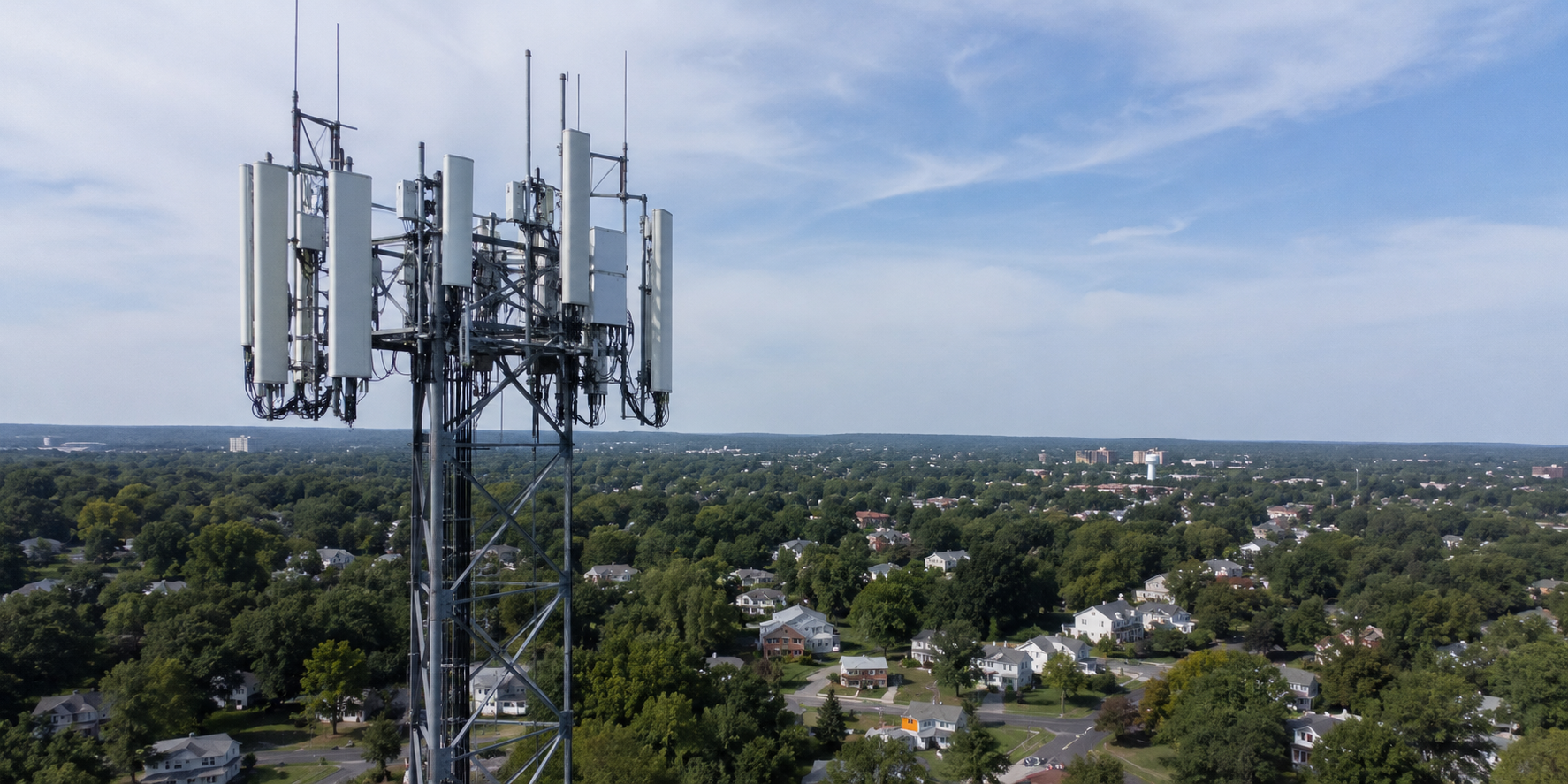
A cell tower lease ROFR is a clause that gives the tower company the right to match any third-party offer before a property owner can sell their lease to someone else, and in most cases it reduces the sale value of that lease by at least twice the annual rent. It sounds like a minor legal formality when it first appears in a lease draft. In practice, it is one of the single most damaging clauses a property owner can agree to, because it quietly discourages other buyers from ever making a serious offer in the first place.
What a ROFR clause actually does
Under a standard Right of First Refusal, once a property owner receives a legitimate offer to sell their tower lease, they are required to give the tower company the chance to match that offer before accepting it from anyone else. The tower company typically has 30 to 45 days to respond. On paper, this looks like a fair mechanism. In reality, it changes the entire dynamic of a future sale before it ever begins, because outside buyers know the tower company can step in and take the deal at the last moment.
Why third-party buyers avoid ROFR sites
Third-party lease buyout companies specialize in purchasing the future income stream of tower leases, and many of them will simply avoid sites that carry a ROFR. Spending weeks negotiating a deal only to have the tower company match the offer and take the site anyway is a poor use of a buyer's time, so many buyers either lower their initial offer to account for that risk or skip the site entirely. This is exactly why a lease with a ROFR often sells below the market multiple that comparable leases without one can command, a multiple that is commonly cited across the industry as somewhere near nineteen times annual rent for a strong, long-term lease.
How ROFR clauses have changed over time
Many leases signed in the 1990s and early 2000s never included a ROFR at all, since the lease buyout market barely existed at the time. As buyouts became a larger and more established part of the industry, tower companies began adding ROFR language specifically to protect themselves from losing sites to outside buyers. Older ROFR language often applied only if the property owner sold the underlying parcel of land. Newer versions are written more broadly and now typically cover the sale of an easement as well, which is the most common structure used in modern lease buyouts. A property owner reviewing an older lease should not assume the ROFR language still matches what tower companies are asking for today.
When it might make sense to accept one
Refusing a ROFR outright is generally the stronger position, but it is not always realistic. If a tower company is offering a meaningful rent increase in exchange for adding a ROFR to a renewal, that trade-off is worth weighing carefully rather than dismissing automatically. The key is treating it as a genuine negotiation point with real value attached, not something to sign away quietly in exchange for a modest concession. Some tower companies will also waive an existing ROFR later, usually in exchange for a small rent reduction or matching terms elsewhere in the lease, which is worth asking about directly if a sale becomes the priority.
The consent language problem hiding inside many ROFR clauses
One detail property owners frequently miss is whether the ROFR agreement includes clear consent language covering a future buyout transaction. Without it, a property owner can find themselves in a difficult position if a third-party sale requires the tower company's cooperation to close, and that cooperation was never clearly spelled out in the original agreement. This is a detail easy to overlook when a lease is first signed and expensive to discover later, which is why every ROFR clause deserves a careful read by someone who understands how these transactions actually close, not just how they read on paper.
What this means if you are negotiating a new lease or renewal
The strongest position is avoiding a ROFR entirely in a brand new lease or lease amendment whenever possible. If a tower company insists on including one, that insistence itself is useful information, since it signals the tower company sees enough future value in the site to want first access to any sale. That leverage can sometimes be used to negotiate better terms elsewhere in the agreement, whether that is stronger escalation language, clearer consent provisions, or a meaningful rent increase in exchange for accepting the clause. Property owners who understand this dynamic going in are in a far better position than those who discover it only when they try to sell years later.
Getting the right advice before you sign or sell
ROFR clauses sit at the intersection of legal language and financial strategy, which is why they are easy to underestimate. JP Tower Consulting was founded by John Puleo, who spent 17 years at American Tower Corporation, including ten years inside their internal team focused on ground lease acquisitions and renewals. That perspective is what allows a property owner to see a ROFR clause the way the tower company sees it, rather than taking the lease language at face value.
Frequently Asked Questions
What does ROFR mean in a cell tower lease?
ROFR stands for Right of First Refusal. It gives the tower company the right to match any legitimate third-party offer before the property owner can sell their lease to that other buyer, typically within a 30 to 45 day window.
Does a ROFR clause lower what my lease is worth?
Yes, in most cases. Because third-party buyers know the tower company can match their offer, many either reduce their bid or avoid the site altogether, which commonly reduces the lease's sale value by at least twice the annual rent compared to a similar lease without one.
Should I ever agree to a ROFR clause?
Not automatically, but it can make sense if it is tied to a meaningful rent increase or another real concession during a renewal. The clause should be negotiated deliberately, not accepted as a routine part of the paperwork.
Can an existing ROFR clause be removed later?
Sometimes. Tower companies will occasionally waive an existing ROFR in exchange for a small rent reduction or other concession, particularly if the property owner is preparing to sell and the clause is complicating the process.
A ROFR clause rarely looks dangerous when it first appears in a lease draft, which is exactly what makes it worth understanding before signing rather than after. The property owners who negotiate this clause carefully, or avoid it altogether, are the ones who keep their full range of options when it eventually comes time to sell.

 English
 Arabic
 French
 Spanish
 Portuguese
 Deutsch
 Turkish
 Dutch
Dutch
 Italiano
 Russian
 Romaian
 Portuguese (Brazil)