


Why ADAS Calibration Matters After a Collision Repair
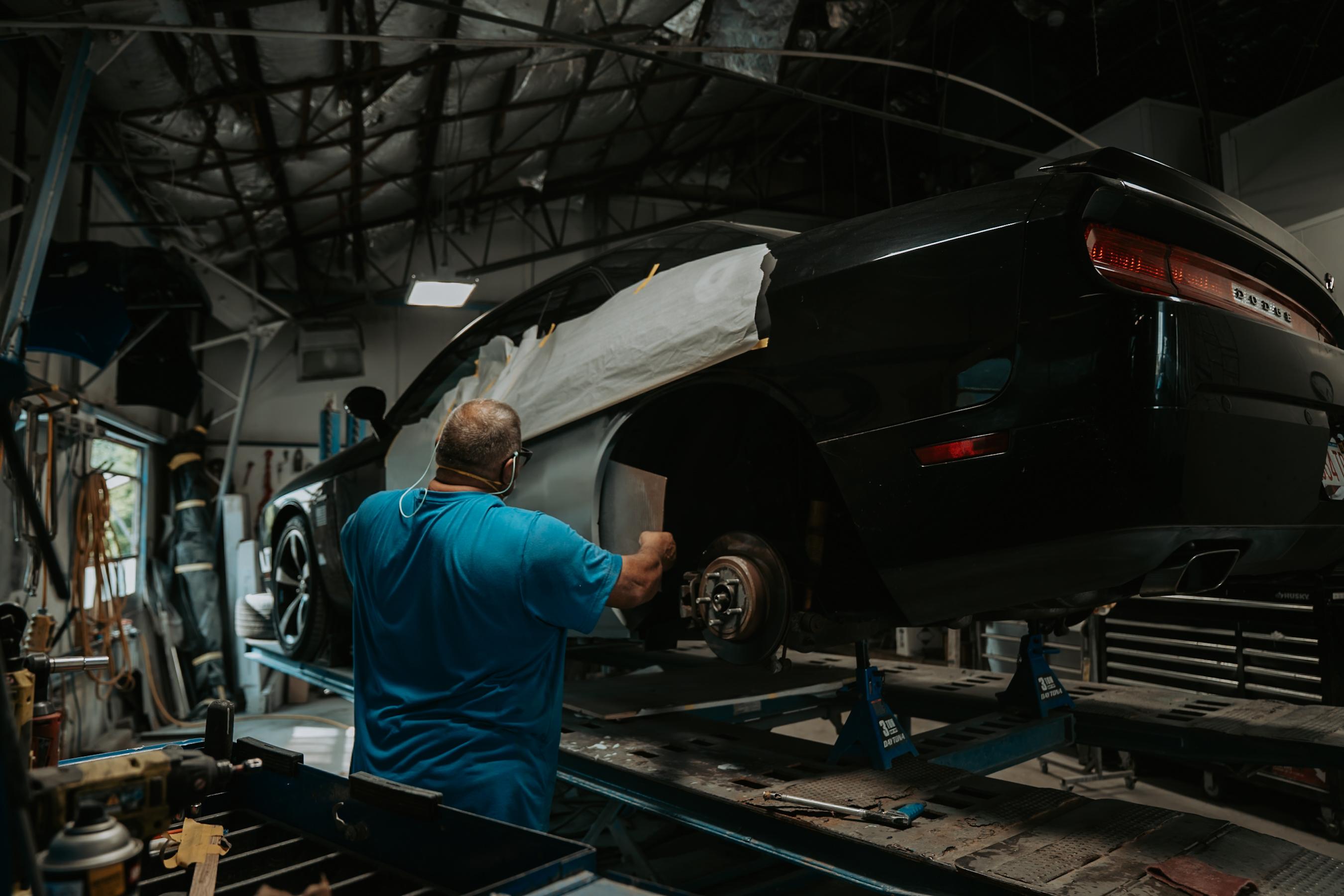
Yes, if your vehicle has advanced driver assistance features and it was involved in a collision that damaged the bumper, windshield, mirrors, or front grille, it almost certainly needs ADAS calibration after the repair is finished. Skipping this step doesn't just risk a warning light on your dashboard. It means the cameras and sensors responsible for lane departure warnings, automatic emergency braking, and adaptive cruise control may be aimed incorrectly, which can make them less reliable exactly when you need them most.
ADAS calibration after collision repair is quickly becoming one of the most important, and most misunderstood, parts of modern auto body work. Industry analysts estimate that the large majority of new vehicles sold today include at least one ADAS feature, and that share keeps climbing every model year, which means more repair estimates now include a calibration line whether the customer expects it or not. At SK Auto Body, calibration is treated as a required step for eligible repairs rather than an optional add-on, since a bumper or windshield replacement can shift a sensor's position by a fraction of an inch and still throw off how the system reads the road ahead.
What ADAS Calibration Actually Means
Advanced driver assistance systems rely on a network of cameras, radar units, and sometimes lidar sensors mounted around the vehicle, often behind the windshield, inside the front bumper, or built into the side mirrors. These components are calibrated at the factory to look at the road from a precise angle and distance. When a collision damages or requires the removal of a bumper cover, windshield, or mirror housing, even a repair that looks flawless can leave a sensor pointed slightly off from where the manufacturer intended. Calibration is the process of resetting that sensor's alignment so it interprets the road the way it's supposed to.
Static Versus Dynamic Calibration
There are two main approaches to recalibrating these systems, and which one a vehicle needs depends on the manufacturer and the specific sensor involved. Static calibration happens inside the shop, where a technician positions the vehicle at an exact distance from specialized calibration targets and uses diagnostic equipment to reset the sensor against known reference points. This method requires a level, controlled space with precise lighting and measurements, since even a small error in target placement can carry over into how the sensor reads the road later. Dynamic calibration instead requires driving the vehicle under specific conditions, often at a set speed range on a road with clear lane markings, while a scan tool monitors the system and confirms it's reading correctly in real time. Some manufacturers require only one method for a given sensor, while others call for both a static setup and a subsequent road test before the system is considered properly calibrated, and the repair shop has to know which combination a specific make and model requires rather than guessing.
Why Skipping Calibration Is a Real Risk
A vehicle with an uncalibrated ADAS system can still drive normally day to day, which is part of what makes this issue easy to overlook. The problem shows up when the system is actually needed. A lane departure warning that fires a half-second late, an automatic emergency braking system that reads distance slightly wrong, or adaptive cruise control that misjudges the vehicle ahead isn't a hypothetical risk, it's the direct result of a sensor that was never reset after the repair that disturbed it. Because these systems are designed to intervene in situations a driver might not catch in time, a miscalibrated sensor can undercut the exact safety margin the system was built to provide.
How SK Auto Body Handles ADAS Calibration
At SK Auto Body, every repair involving a bumper, windshield, or mirror on an ADAS-equipped vehicle is checked against the manufacturer's calibration requirements before the vehicle is returned to the customer. ADAS-equipped vehicles are repaired using I-CAR Gold Certified training combined with the diagnostic equipment needed to complete both static and dynamic calibration correctly, the same certification held by fewer than 20 percent of auto body shops nationwide. Rather than treating calibration as a separate add-on service, it's built into the repair plan from the initial estimate, so customers aren't left guessing whether their vehicle's safety systems were actually reset before they get back behind the wheel.
What Vehicle Owners Should Ask Before Leaving a Repair Shop
Not every collision repair shop has the equipment or training to perform ADAS calibration in-house, and some outsource it to a third party without always telling the customer upfront. It's worth asking directly whether your vehicle needs calibration for the specific repair being done, whether that calibration happens on-site or elsewhere, and whether it's included in the estimate rather than appearing as a surprise charge later in the process. It also helps to ask how the shop verifies that calibration was successful, since a completed calibration should come with confirmation from the diagnostic scan, not just a technician's assurance that the work was done. A shop that can answer these questions clearly, before work begins, is generally one that treats ADAS calibration as a standard part of doing the job right rather than an afterthought tacked onto the final bill.
Frequently Asked Questions
Does every collision repair require ADAS calibration? No. Calibration is only needed when a repair affects a component that houses an ADAS sensor, such as a windshield replacement, front bumper repair, or mirror replacement. A shop should be able to tell you, based on the specific damage, whether your vehicle needs it.
How long does ADAS calibration add to a repair? It varies by vehicle and by how many systems need calibration. Static calibration inside the shop can typically be completed within the same repair visit, while dynamic calibration requires an additional road test, which can add anywhere from a short drive to a longer session depending on the manufacturer's requirements.
Can I tell if my ADAS system is miscalibrated just by driving normally? Not reliably. A miscalibrated system often behaves normally during everyday driving and only reveals the problem when the feature is actually called on to intervene, which is why calibration should be verified as part of the repair rather than left to be discovered later.
Is ADAS calibration covered by insurance after a collision? In most cases, if the collision repair itself is a covered claim and the damage affects an ADAS-related component, calibration is considered part of restoring the vehicle to its pre-accident condition. Coverage specifics vary by policy and insurer, so it's worth confirming directly with your claims adjuster.
Getting your vehicle's safety systems reset correctly after a collision isn't a detail to leave to chance. If your car has been in an accident and any of its ADAS-related components were involved, ask your repair shop directly whether calibration is included in your estimate, and don't sign off on the repair until you have a clear answer.

 English
 Arabic
 Spanish
 Portuguese
 Deutsch
 Turkish
 Dutch
Dutch
 Italiano
 Russian
 Romaian
 Portuguese (Brazil)
 Greek
Greek