


Are Office Vending Machines Worth the Investment? A Complete Breakdown
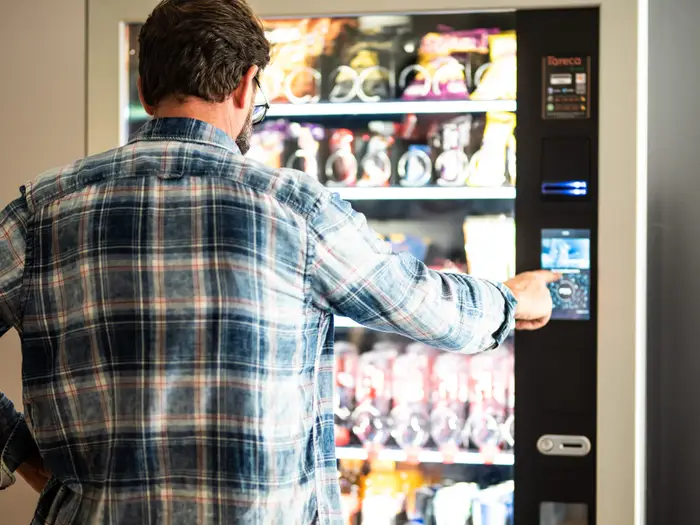
If you run a business or manage an office, you have probably thought about getting a vending machine at some point. Maybe someone in the break room joked about it, or maybe your staff keep asking why there is nowhere to grab a cold drink or a quick snack without leaving the building. Either way, the question is a fair one. Is a vending machine actually worth the money, or is it just another expense that looks good on paper but does not pay off?
This guide walks through everything you need to know before making a decision. We will look at costs, benefits, downsides, and the different options available, so you can work out what makes sense for your workplace.
Why Businesses Are Rethinking the Office Vending Machine
Vending machines used to have a bit of a reputation. Stale chips, warm drinks, and machines that ate your coins without giving anything back. That image is outdated now. Modern vending machines are cleaner, smarter, and stocked with a much wider range of products, including healthy snacks, fresh food options, and cashless payment systems that make buying something as easy as tapping a card.
Because of this shift, more Australian workplaces are looking at vending machines not as an old-fashioned convenience but as a genuine perk that can improve staff morale and save time during the workday. When someone does not have to leave the office to grab a coffee or a snack, they get back to work faster and stay more focused.
What Exactly Do Office Vending Machines Cost?
This is usually the first question on everyone's mind, and it is a fair one to ask before committing to anything. There are generally two paths. You can buy a vending machine outright, or you can rent one through a vending company. Buying a basic snack and drink machine can cost anywhere from a few thousand dollars for a simple unit up to ten thousand dollars or more for a larger, combination machine with both food and drinks.
Renting is often the more popular choice for offices, especially smaller ones. Many vending companies will install and stock the machine for free, and instead take a cut of the sales. In some cases, there is no upfront cost at all, which makes it a low risk way to test whether staff actually use it before committing to a purchase. On top of the machine itself, you also need to think about ongoing costs such as electricity to run it, restocking, and occasional servicing if something breaks down. These costs are usually small compared to the upfront price, but they do add up over time.
The Real Benefits of Having a Vending Machine at Work
Let's be honest, most people do not think too deeply about vending machines until they need one. But once you break down what they actually offer, the benefits become clearer. Convenience is the obvious one. Staff can grab something to eat or drink without leaving the building, which saves time and keeps them closer to their desks. This matters more than people think, especially in workplaces where staff have short breaks or cannot easily pop out during the day.
Office Vending machines can also boost morale in a small but noticeable way. Having easy access to snacks and drinks shows staff that the business cares about their comfort during the workday. It is a small gesture, but small gestures add up over time, especially when combined with other workplace perks.
There is also a practical side to this. Fewer staff leaving the premises during work hours can mean better productivity and fewer interruptions. If someone just wants a quick snack, a vending machine down the hall is a lot faster than driving to the nearest shop. For larger workplaces, vending machines can also reduce the strain on kitchen or break room supplies. Instead of the business having to constantly restock a communal pantry, staff can simply buy what they need when they need it.
Could a Vending Machine Actually Save You Money?
This is where things get interesting. A vending machine is not just a cost, it can also generate a small income stream depending on how it is set up. If you rent a machine and the vending company takes a percentage of sales, you might not see much direct profit, but you also are not paying much either. Some businesses negotiate a small commission on sales, which can help offset electricity costs or even bring in a little extra revenue each month.
If you buy your own machine and manage the stock yourself, the profit margin can be higher, but you also take on more responsibility. You need to buy stock in bulk, keep it topped up, and deal with any technical issues that come up. For a business without spare time or staff to manage this, renting is usually the smarter option. Either way, most businesses do not install a vending machine purely to make money. The real value tends to come from the time saved and the improved staff experience, rather than direct profit.
The Downsides You Need to Think About
No investment is perfect, and vending machines are no exception. It is worth being realistic about the potential downsides before making a decision. Space is one consideration. Vending machines take up floor space, and in smaller offices, this can be a real limitation. You need to find a spot that is easy to access but does not get in the way of foot traffic or daily operations.
Maintenance is another factor. Machines can break down, jam, or run out of stock at inconvenient times. If you own the machine outright, you are responsible for fixing these issues, which can be a hassle if you do not have someone on hand who knows how to service it.
There is also the question of whether staff will actually use it enough to justify the cost. In a very small office with only a handful of employees, a vending machine might not see enough use to make sense. In these cases, a simple pantry with snacks and drinks might be a cheaper and more practical solution. Lastly, if you are not careful about what you stock, you might end up with a machine full of unhealthy snacks that do not align with the wellbeing values many modern workplaces are trying to promote. Choosing the right products matters just as much as choosing the right machine.
Renting vs Buying: Which Makes More Sense?
This comes down to a few key factors, including your budget, the size of your workplace, and how much time you are willing to spend managing the machine. Renting is usually the better option for most offices. It requires little to no upfront cost, the vending company handles restocking and maintenance, and you can cancel or change the arrangement if it is not working out. This makes it a low risk way to offer the perk without a big financial commitment.
Buying makes more sense for larger businesses with the resources to manage stock and maintenance themselves, or for businesses that want full control over pricing and product selection. It can also be a better long term investment if you expect to keep the machine in place for many years and want to avoid ongoing commission fees. If you are unsure which path to take, starting with a rental arrangement is generally the safer choice. You can always switch to buying a machine later once you have a clearer picture of how much it gets used.
What Type of Vending Machine Suits Your Workplace?
Not all vending machines are the same, and choosing the right type makes a big difference in how well it is received by staff. Snack and drink combo machines are the most common choice for offices. They offer a mix of chips, chocolate, soft drinks, and water, giving staff a range of options without taking up too much space. Healthy vending machines have become more popular in recent years, stocking items like protein bars, nuts, fruit cups, and sugar free drinks. These are a good fit for workplaces that want to support staff wellbeing and promote healthier choices during the day.
Coffee vending machines are another option worth considering, especially for offices where staff rely heavily on coffee to get through the day. These machines can range from simple instant coffee dispensers to more advanced machines that make espresso style coffee on demand. Fresh food vending machines are a newer addition to the market, offering sandwiches, salads, and other chilled meals. These are a great option for larger offices or workplaces located away from nearby cafes, where staff might otherwise struggle to find a decent lunch option nearby.
How Staff Numbers Affect Your Decision
The size of your workforce plays a big role in whether a vending machine makes financial sense. For small offices with under twenty staff, a vending machine might not see enough daily use to justify the investment, especially if you are buying rather than renting. In these cases, a simple snack station or a mini fridge with drinks might be a more practical and cost effective solution.
For medium sized offices with twenty to one hundred staff, a rented vending machine is usually a solid choice. There is enough foot traffic to keep the machine in regular use, and the low upfront cost makes it an easy decision to trial.
For larger workplaces with more than one hundred staff, multiple vending machines or a combination of snack, drink, and coffee machines often makes sense. At this scale, buying your own machines can become more cost effective over time, especially if you have the staff or resources to manage restocking and maintenance.
Maintenance, Stock and Who Looks After It
This is one of the most overlooked parts of the decision making process. A vending machine is only useful if it is kept stocked and working properly. If you rent through a vending company, this is usually taken care of for you. The company will visit regularly to restock items, collect payments, and fix any technical issues. This is one of the biggest advantages of renting over buying, since it removes the burden of ongoing upkeep from your team. If you buy your own machine, someone in your business needs to take responsibility for keeping it stocked and functioning. This does not need to be a full time job, but it does require regular attention, usually a quick check once or twice a week depending on how much the machine gets used. It is worth having a clear plan in place before installing a machine, so staff know who to contact if something goes wrong or if the machine runs out of a popular item.
Click Here: https://vending-systems.com.au/
Smart Vending Machines and Cashless Payments
Technology has changed vending machines a lot in recent years, and it is worth understanding what modern machines can offer. Cashless payment options are now standard on most new vending machines, allowing staff to pay with a card or their phone instead of needing exact change. This removes one of the biggest frustrations people used to have with vending machines and makes the whole experience much smoother.
Some machines also come with smart inventory tracking, which lets the vending company know exactly when stock is running low, so machines rarely sit empty for long. This is a small feature, but it makes a noticeable difference in how reliable the machine feels to staff using it daily. A few advanced machines even offer temperature control for both hot and cold items, which is useful for offices wanting to offer a wider variety of products, from cold drinks to hot coffee, all from a single unit.
Is It Worth It for a Small Office?
This is a common question, and the honest answer depends on your specific situation. If your office has a small number of staff and there are cafes or shops nearby, a vending machine might not add much value. Staff can easily grab what they need elsewhere, and the machine could end up sitting mostly unused.
On the other hand, if your office is in a location without easy access to shops, or if staff have limited time during breaks, even a small vending machine can be a worthwhile addition. In these cases, the convenience factor outweighs the lower usage numbers, since it still saves staff time and effort during the day.
A good way to test this is to start with a rented machine on a trial basis. If usage is low after a few months, you can cancel the arrangement without having lost much money. If usage is strong, you have a clear signal that it is worth keeping or even expanding.
Common Questions Aussie Businesses Ask
Many business owners have similar questions before making this decision, so it helps to address a few of the most common ones directly.
How long does it take to get a vending machine installed? Most vending companies can install a machine within one to two weeks of signing an agreement, depending on availability and location.
Do I need to sign a long contract? This varies between providers, but many offer flexible month to month arrangements, especially for smaller businesses testing the waters.
Can I choose what products go in the machine? Yes, most vending companies will work with you to select a product range that suits your staff, including healthier options if that is a priority for your workplace.
What happens if the machine breaks down? If you are renting, the vending company is usually responsible for repairs and will send someone out to fix it, often within a day or two.
Is electricity a big ongoing cost? Not usually. Vending machines are designed to be energy efficient, and the electricity cost is generally a small addition to your existing power bill.
Final Thoughts: Making the Right Call for Your Workplace
So, are office vending machines worth the investment? For most medium to large workplaces, the answer is generally yes, especially when you choose a rental arrangement with little to no upfront cost. The convenience, staff satisfaction, and time saved often outweigh the small ongoing costs involved.
For very small offices, it is worth weighing up whether staff would actually use the machine regularly before committing, particularly if buying outright. A short trial period with a rented machine is often the safest way to find out.
At the end of the day, the right choice comes down to your specific workplace, your staff numbers, and how much value convenience adds to your team's daily routine. Take the time to compare a few local vending providers, ask about trial periods, and choose a machine setup that genuinely fits how your office works.

 English
 Arabic
 French
 Spanish
 Portuguese
 Deutsch
 Turkish
 Dutch
Dutch
 Italiano
 Russian
 Romaian
 Portuguese (Brazil)