


Solar Panel Installation: A Simple Guide for UK Home
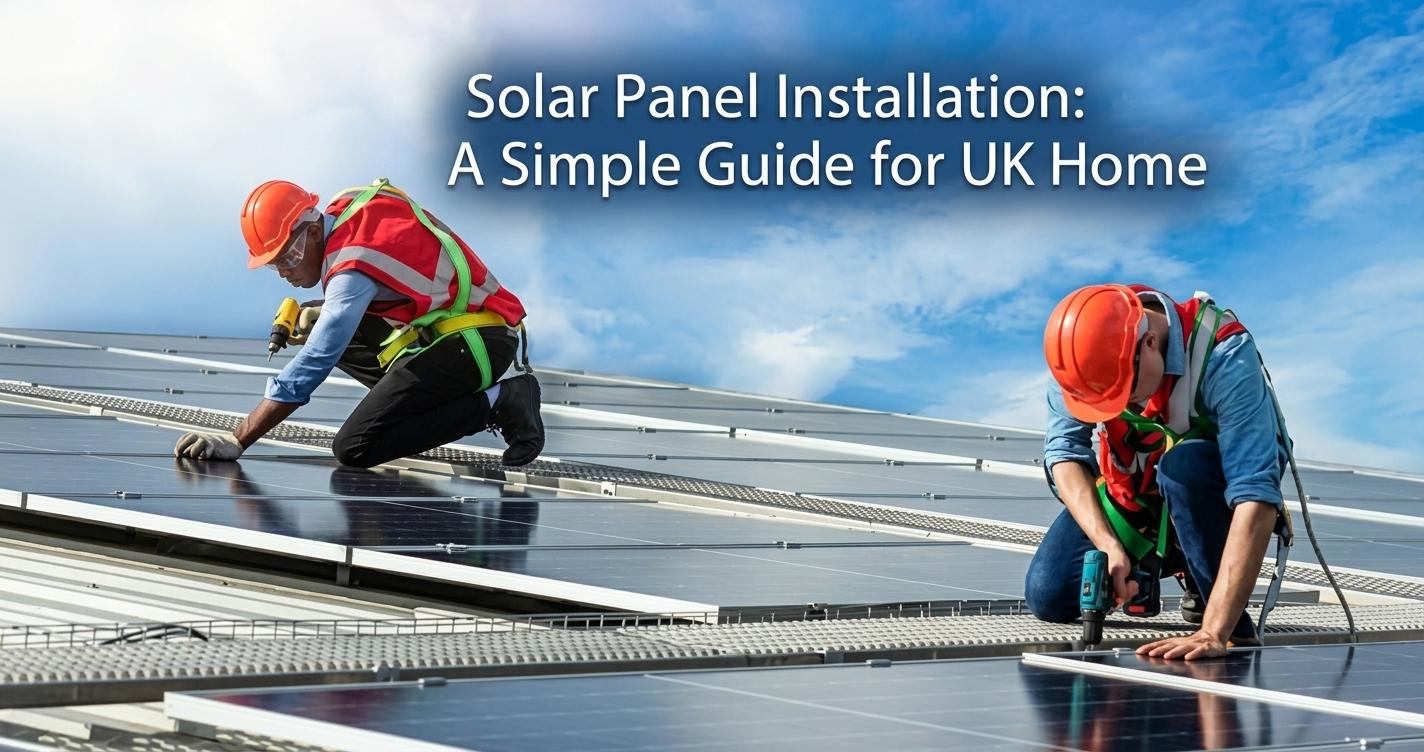
Solar energy is becoming an increasingly practical option for UK households looking to generate their own electricity and make better use of renewable energy. Solar Panel Installation UK services can help homeowners assess their property, choose suitable equipment and install a solar PV system designed around their energy requirements.
Although solar panels may look straightforward from the outside, a successful installation involves several important steps. Roof condition, available space, shading, panel orientation, system size and electrical requirements can all affect the final result. This guide explains how solar panel installation works, what can influence costs and what UK homeowners should consider before getting started.
What Is Solar Panel Installation?
Solar panel installation involves fitting photovoltaic (PV) panels to a roof or another suitable location. The panels use sunlight to generate direct current (DC) electricity, which is converted into usable alternating current (AC) electricity through an inverter.
A typical home solar system can include:
- Solar PV panels
- Mounting brackets and rails
- Inverter
- Electrical cabling
- Monitoring equipment
- Optional battery storage
- Safety and isolation equipment
The system is connected to the property's electrical installation so that generated electricity can be used by household appliances.
When the panels produce more electricity than the home needs, the surplus may be exported to the electricity grid, subject to the relevant arrangements.
Why Are UK Homeowners Considering Solar Panels?
Solar panels allow households to generate electricity at their own property rather than relying entirely on electricity supplied from the grid.
Potential advantages include:
Lower Reliance on Grid Electricity
Generating electricity at home can reduce the amount of electricity a household needs to purchase from the grid, depending on the system's generation and the home's energy consumption.
Renewable Energy Generation
Solar PV systems generate electricity from sunlight without directly burning fossil fuels during generation.
Potential Long-Term Value
A properly designed and maintained system can continue generating electricity for many years, although actual performance varies between installations.
Better Energy Awareness
Solar monitoring systems can help homeowners understand how much electricity their panels are generating and when their system is producing the most power.
How Does Solar Panel Installation Work?
A professional installation usually involves several stages.
1. Initial Property Assessment
The installer first evaluates whether the property is suitable for solar panels.
This assessment may consider:
- Roof size
- Roof orientation
- Roof pitch
- Roof condition
- Shading
- Available installation area
- Electrical setup
- Access requirements
Trees, chimneys and nearby buildings can cast shadows over panels, potentially affecting electricity generation.
2. Solar System Design
After assessing the property, the installer can design a system around the available roof space and expected electricity requirements.
The design may determine:
- Number of panels
- Panel layout
- Total system capacity
- Inverter specification
- Cable routes
- Battery location, if required
The aim is to create a system that suits the property's physical characteristics and the household's energy use.
3. Choosing the Equipment
Solar panels are available in different specifications and efficiency levels. The inverter is also an important component because it converts the electricity generated by the panels into a form that can be used within the home.
Homeowners may also consider battery storage.
A battery can store some surplus electricity generated during periods of solar production and make it available later when generation is lower.
4. Installation
During installation, the mounting system is secured to the appropriate roof structure. The panels are then positioned and connected.
The installer will also install the inverter and route the necessary electrical cabling.
Scaffolding may be required depending on the property's design and roof access.
5. Testing and Commissioning
Once the system has been installed, it should be tested to confirm that the components are operating correctly.
The homeowner should also receive information about operating and monitoring the system.
How Much Does Solar Panel Installation Cost?
There is no universal installation price for every UK home. The total cost depends on the size and specification of the system as well as the property's installation requirements.
Common factors include:
- Number of solar panels
- Panel efficiency and specification
- Roof type
- Roof accessibility
- Inverter type
- Scaffolding
- Electrical work
- Battery storage
- Installation complexity
Homeowners researching Install Solar Panels Cost can compare the different factors that influence the overall investment rather than relying on a single average figure.
What Can Increase Installation Costs?
Some properties require additional work before or during installation.
For example:
- Difficult roof access
- Complex roof designs
- Additional scaffolding
- Longer cable runs
- Electrical upgrades
- Battery installation
- Additional mounting requirements
This is why a professional site assessment and detailed quotation are important.
Can Solar Panels Be Installed on Different Roof Types?
Yes, solar PV systems can be installed on various roof designs when the structure and installation conditions are suitable.
Pitched Roofs
Many UK homes have pitched roofs that can accommodate solar panels using appropriate mounting rails and brackets.
Flat Roofs
Flat roofs can also be suitable for solar panels. Special mounting systems can position the panels at an appropriate angle while considering factors such as wind exposure, roof structure and maintenance access.
Different Roofing Materials
The installation approach may vary depending on the roofing material and construction. An installer should assess the roof before recommending the appropriate mounting method.
What Affects Solar Panel Performance?
Installing panels is only one part of achieving good solar generation. Their performance can be influenced by several factors.
Roof Orientation
The direction a roof faces can affect how much sunlight reaches the panels throughout the day.
Shading
Shadows from trees, chimneys and surrounding buildings can reduce electricity generation.
Weather
Solar panels can still generate electricity on cloudy days, but output generally changes according to the available daylight.
Panel Positioning
Correct panel placement can help make better use of the available roof area.
System Maintenance
Keeping an eye on system performance can help identify unusual changes that may indicate a problem.
Should You Add a Solar Battery?
A battery is not essential for every solar PV installation, but it can be useful for households that want to store surplus generation.
For example, solar panels may produce electricity during the day when household consumption is relatively low. Instead of using all the generated electricity immediately, some surplus can be stored in a battery for later use.
Potential benefits include:
- Increased use of self-generated electricity
- Stored energy for periods of lower solar generation
- Greater flexibility in electricity consumption
- Reduced reliance on grid electricity at certain times
However, battery storage increases the initial installation cost, so homeowners should consider their energy usage and overall budget.
How Long Does Solar Panel Installation Take?
The installation itself can often be completed relatively quickly, but the exact timeframe varies between properties.
Factors that can influence the schedule include:
- System size
- Roof accessibility
- Scaffolding requirements
- Electrical work
- Equipment availability
- Battery installation
- Property-specific requirements
A reputable installer should explain the expected timeline before work begins.
Maintenance After Installation
Solar PV systems generally require limited routine maintenance, but homeowners should still monitor their system.
Useful practices include:
- Checking generation through the monitoring system.
- Keeping an eye out for unexpected drops in output.
- Ensuring nearby vegetation does not create unnecessary shading.
- Keeping the panels reasonably clear of significant debris.
- Arranging professional checks when appropriate.
- Contacting a qualified installer if a fault occurs.
Solar panels do not normally require daily attention, but regular monitoring can help identify issues early.
How to Choose a Solar Panel Installer
Choosing the right installer is an important part of the project.
Check Their Experience
Look for experience with residential solar PV installations and properties similar to yours.
Request a Detailed Quote
The quotation should clearly explain what is included, such as panels, inverter, mounting equipment, labour, electrical work and scaffolding.
Ask About Equipment
Understand which panel and inverter models are being proposed and whether battery storage is included.
Consider After-Sales Support
Ask what happens if the system develops a fault after installation and what support is available.
Avoid Comparing Price Alone
A very low quotation may not provide the same equipment, installation service or support as another proposal. Compare the complete package rather than just the headline price.
Are Solar Panels Suitable for Every Home?
Not necessarily. Solar PV can be suitable for many UK properties, but each home has different characteristics.
A professional assessment should consider:
- Available roof space
- Roof condition
- Shading
- Orientation
- Household electricity consumption
- Electrical requirements
- Installation access
If a roof has significant shading or limited suitable space, the expected generation may be different from that of a property with a large, unobstructed roof.
Conclusion
Solar panel installation can help UK homeowners generate renewable electricity at home and make greater use of available sunlight. However, getting the right result involves more than simply choosing a number of panels.
The roof, system size, panel specification, inverter, shading, electrical requirements and installation conditions all need to be considered. Battery storage can also be included where it makes sense for the household's energy usage.
Before proceeding, homeowners should obtain a detailed assessment and compare quotations carefully. Understanding the installation process and the factors affecting cost can make it easier to choose a solar PV system that matches the property and its energy needs.
Frequently Asked Questions
1. Are solar panels suitable for UK homes?
Solar panels can be suitable for many UK homes, provided there is appropriate roof space and suitable installation conditions. Factors such as roof orientation, shading, roof condition and electricity usage should be assessed first.
2. How much does solar panel installation cost?
The cost varies depending on system size, panel specification, roof type, installation complexity, inverter choice and whether battery storage is included. A personalised quotation is more useful than relying on a single standard price.
3. Can solar panels work on cloudy days?
Yes. Solar panels can generate electricity from daylight even when the weather is cloudy. However, generation is generally lower than during periods of stronger sunlight.
4. Do solar panels need a battery?
No. A solar PV system can operate without a battery. However, battery storage can allow homeowners to store some surplus solar electricity for use later.
5. How long do solar panels take to install?
The installation timeframe depends on the property, system size, roof access, scaffolding and any additional electrical work. Your installer should provide an estimated schedule before installation begins.

 English
 Arabic
 French
 Spanish
 Portuguese
 Deutsch
 Turkish
 Dutch
Dutch
 Italiano
 Russian
 Romaian
 Greek
Greek