


Starting a Culinary Career Through a Culinary School Philadelphia Program
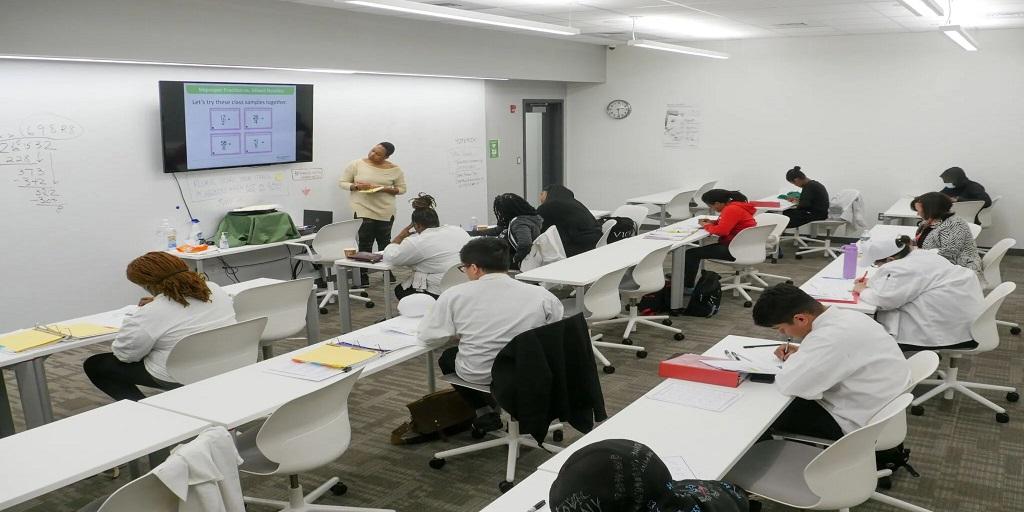
Starting a career in food service takes more than knowing how to cook. It takes practice, confidence, teamwork, and learning how a professional kitchen works. A culinary school Philadelphia program gives aspiring culinary professionals a place to build those skills. Community kitchens add another part to the experience: students get to put what they learn into practice while preparing food for real community needs.
If you are interested in working in food service, this training is a practical first step toward a new career.
Learning What Happens Behind the Kitchen Doors
Professional kitchens have their own rhythm. Ingredients must be prepared on time, workstations must stay organized, and food safety must remain a priority during every shift.
Community kitchen training introduces students to these expectations in a practical setting. Classes cover basic food preparation, meal planning, kitchen organization, and introductory food service management. You can also work on job readiness skills that make the transition into employment easier.
The experience gives you time to learn, make mistakes, ask questions, and become more comfortable with kitchen responsibilities.
Building Confidence With Culinary Skills
The first eight weeks of training combine classroom lessons with practical work in a restaurant-style kitchen. Students learn fundamental cooking and preparation techniques in the daily routines of a professional kitchen.
Knife skills are part of that learning. So are workplace habits such as following directions, managing time, communicating with coworkers, and keeping a clean workspace.
Food safety receives its own focused instruction. Students have the opportunity to prepare for the ServSafe certification exam. This credential is useful when applying for food service jobs.
These details might seem small at first. In a busy kitchen, however, they become part of nearly every shift.
Getting Real Experience in a High-Volume Kitchen
The second eight weeks bring a different kind of challenge. Students move into high-volume meal production in a commissary kitchen.
Working with larger quantities of food requires planning and attention to detail. Students learn how preparation, organization, and teamwork come together when a kitchen is producing food on a larger scale.
Students work with staff chefs while preparing catering orders and meals for people experiencing hunger. That experience gives a closer look at the responsibilities involved in professional food production.
If you're searching for “free culinary classes near me”, consider hands-on experience with classroom instruction. Learning in an active kitchen provides a better sense of what food service work actually feels like.
Preparing for the First Job and the Next One
Starting a new career can feel uncertain, especially when entering an industry for the first time. Culinary training can make that transition easier by addressing the workplace skills that employers expect.
Students practice job readiness and learn habits that support professional growth. Those lessons cover areas such as workplace behavior, communication, reliability, and preparation for employment.
Support also continues after graduation. Students can receive services for at least two years after completing the program. This gives graduates additional time to pursue employment and strengthen the habits developed during training.
Cooking With a Purpose
There is something meaningful about learning a trade while preparing food that will reach people in the community. The work gives students practical experience while contributing to local food access.
It also makes the training feel connected to something tangible. A lesson in food preparation can become part of an actual production order. A day spent practicing kitchen organization can contribute to a large batch of meals.
Taking the First Step Into Food Service
A culinary career can begin in many different ways. For some people, it starts with cooking at home. For others, a vocational training program provides the structure and experience to move toward professional work.
A culinary school in Greater Philadelphia program with classroom instruction, hands-on practice, food safety education, and career preparation can provide a strong starting point for adults entering the industry.
Philabundance Community Kitchen offers a 16-week culinary vocational training program for eligible adults who are interested in food service careers. Training includes restaurant-style kitchen instruction, high-volume production experience, food safety education, and employment preparation.
For more information about Donate Food Near Me, please visit Philabundance Community Kitchen's culinary training program.

 English
 Arabic
 French
 Portuguese
 Deutsch
 Turkish
 Dutch
Dutch
 Italiano
 Russian
 Romaian
 Portuguese (Brazil)
 Greek
Greek