


Lower Back Pain Treatment: Causes, Relief Options, and What to Know
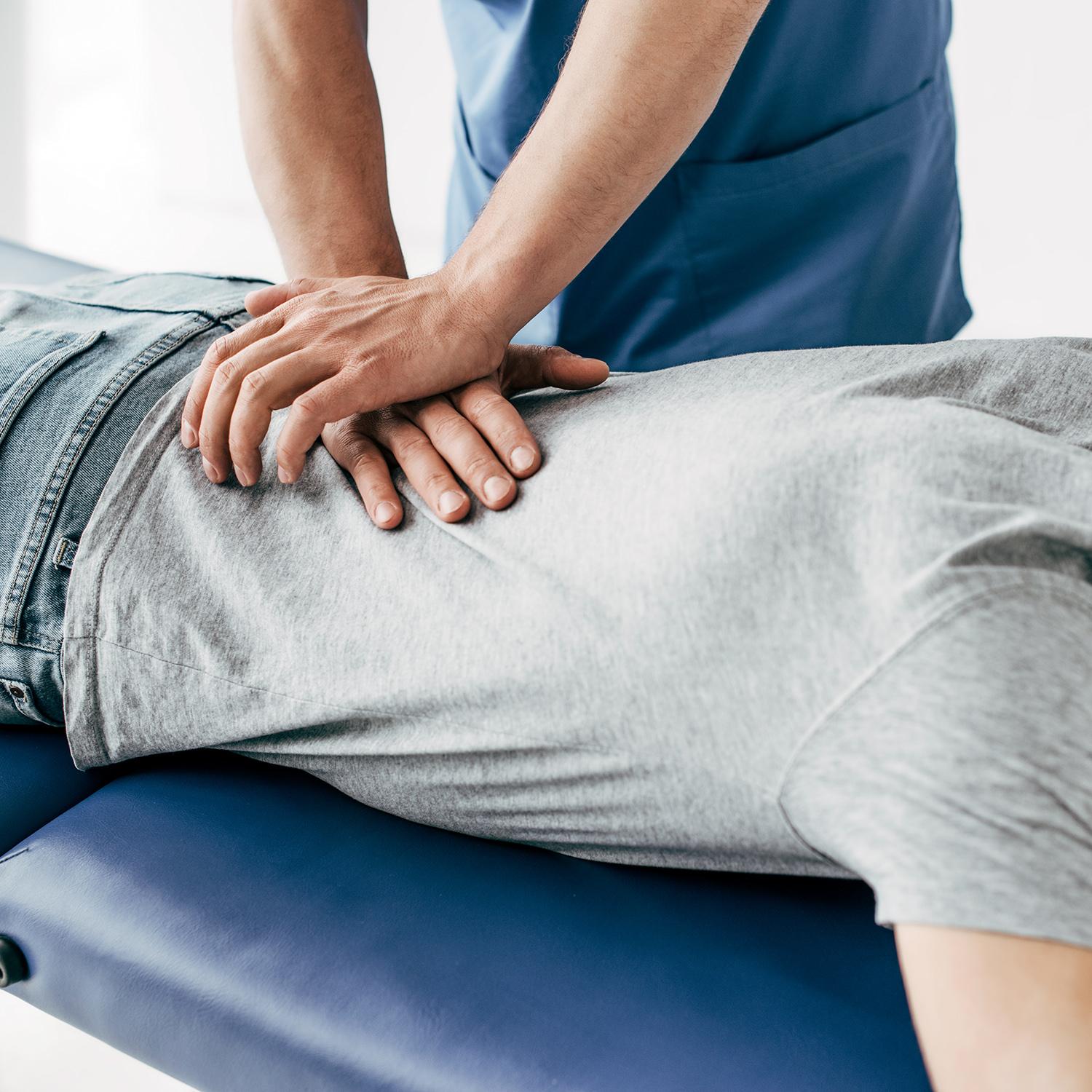
Lower back pain is one of the most common reasons people struggle with everyday activities. A sore lower back can make it difficult to sit at a desk, bend over, exercise, sleep comfortably, or even get out of bed in the morning. While some episodes improve with time and simple self-care, persistent or recurring symptoms may require a more structured approach to Lower Back Pain Treatment.
Lower back pain can develop for many reasons, including muscle strain, poor posture, repetitive movements, injuries, or problems involving the spine and surrounding tissues. Understanding the possible cause is an important first step toward choosing appropriate care.
For people dealing with ongoing discomfort, learning about conservative treatment options—including physical activity, stretching, ergonomic changes, and chiropractic care—can help them make informed decisions about their recovery.
What Causes Lower Back Pain?
Lower back pain does not have a single cause. In many cases, several factors contribute to symptoms at the same time.
Muscle Strains and Overuse
Lifting something incorrectly, performing repetitive movements, or suddenly increasing physical activity can strain the muscles and connective tissues around the lower back. This may lead to soreness, stiffness, or pain when moving.
Poor Posture and Prolonged Sitting
Spending hours sitting at a computer, driving, or looking down at a phone can place additional stress on the lower back. Poor workstation setup may also contribute to discomfort over time.
This is particularly relevant for people who work at a desk. Small changes, such as adjusting chair height, keeping the screen at eye level, and taking regular movement breaks, may reduce unnecessary strain.
Injuries
Falls, sports injuries, workplace accidents, and motor-vehicle collisions can affect the muscles, joints, ligaments, and other structures around the spine. Pain following an injury should be evaluated appropriately, particularly when symptoms are severe or worsening.
Age-Related Changes
The structures of the spine naturally change with age. Some people develop conditions such as osteoarthritis or degenerative disc changes that can contribute to stiffness and discomfort.
However, imaging findings do not always explain how much pain someone experiences. A healthcare professional can help determine whether a particular finding is relevant to the person's symptoms.
Lower Back Pain Treatment Options
There is no universal treatment that works for every person. The appropriate approach depends on the cause, severity, duration, medical history, and individual goals.
Stay Physically Active
Complete bed rest is generally not recommended for uncomplicated lower back pain. Gentle movement can help prevent stiffness and maintain normal function.
Depending on your symptoms, activities may include:
- Walking at a comfortable pace
- Gentle stretching
- Low-impact exercise
- Mobility exercises
- Gradually returning to normal activities
The key is to avoid movements that significantly increase pain and to progress gradually.
Improve Your Daily Ergonomics
Your daily environment can influence how your back feels. Consider making practical adjustments such as:
- Using a supportive chair when working
- Keeping both feet comfortably supported
- Changing positions regularly
- Taking short movement breaks during prolonged sitting
- Using proper lifting techniques
- Avoiding repeated bending and twisting when possible
These changes may be especially useful when back discomfort is connected to work habits or repetitive activities.
Chiropractic Care
Chiropractic care is another conservative option that some people consider for mechanical lower back pain. A qualified chiropractor in Naperville can assess movement, posture, and musculoskeletal factors before recommending an appropriate care plan.
Depending on the individual's condition, chiropractic treatment may involve spinal manipulation or mobilization along with exercise recommendations, stretching, and other conservative strategies.
A good treatment plan should be individualized rather than based on a one-size-fits-all approach.
Physical Therapy and Exercise-Based Rehabilitation
Physical therapy can help people improve strength, flexibility, mobility, and movement patterns. A therapist may recommend exercises designed around the patient's symptoms and functional goals.
Strengthening the muscles that support the trunk and hips may also help improve physical function and reduce the risk of future episodes in some individuals.
Heat and Cold
Heat or cold may provide temporary relief for some people.
Cold packs are sometimes used shortly after an aggravating activity or injury, while heat may feel more comfortable when muscles feel tight or stiff. Always protect the skin and avoid prolonged exposure.
When Should You Seek Professional Care?
Not every episode of lower back pain requires immediate medical attention. However, certain symptoms warrant prompt evaluation.
Seek urgent medical care if back pain occurs with symptoms such as:
- New loss of bladder or bowel control
- Significant weakness or numbness in the legs
- Numbness around the groin or inner thighs
- Severe pain following a major accident
- Fever or signs of serious illness
- Unexplained weight loss accompanied by persistent back pain
Even without these warning signs, consider professional evaluation when pain is persistent, repeatedly returning, interfering with normal activities, or becoming progressively worse.
How to Reduce the Risk of Future Back Pain
While not every episode can be prevented, several habits can support better back health.
Build Movement Into Your Day
Long periods of inactivity can make stiffness more noticeable. Short walks and regular movement breaks can be easier to maintain than trying to compensate with one intense workout.
Strengthen Your Core and Hips
A balanced exercise program can help develop strength and endurance in the muscles involved in supporting the spine and maintaining movement.
Lift Carefully
When lifting an object, get close to it, use your legs and hips, and avoid twisting while carrying a heavy load. When an item is particularly heavy or awkward, ask for assistance.
Pay Attention to Recurring Symptoms
If lower back pain repeatedly returns after certain activities, consider keeping track of what triggers it. Patterns involving prolonged sitting, particular workouts, lifting, or repetitive movements can provide useful information during a professional evaluation.
A Personalized Approach to Lower Back Pain
Effective care begins with understanding the individual rather than simply treating the location of the pain. Two people can experience lower back discomfort for very different reasons and may respond differently to the same treatment.
For residents looking for conservative musculoskeletal care, Wang Family Chiropractic in Naperville provides services addressing concerns such as back pain and other common musculoskeletal conditions. Patients should discuss their symptoms and health history with an appropriately qualified healthcare professional to determine whether chiropractic care is suitable for them.
Conclusion
Finding the right Lower Back Pain Treatment starts with identifying potential contributing factors and choosing an approach that fits the individual's condition and goals. Staying active, improving posture and ergonomics, using appropriate exercises, and seeking professional guidance when symptoms persist can all play a role in managing back discomfort.
For people experiencing recurring or disruptive symptoms, professional evaluation can help determine whether conservative options such as chiropractic care, physical therapy, or other treatments may be appropriate. Most importantly, severe or unusual symptoms should not be ignored.
With the right information and a practical, individualized approach, people with lower back pain can take meaningful steps toward improving mobility, comfort, and everyday function.
Frequently Asked Questions
1. What is the most common cause of lower back pain?
Muscle or ligament strain, prolonged sitting, repetitive movements, and other mechanical factors are common contributors. However, lower back pain can have many causes, so persistent symptoms should be properly evaluated.
2. How long does lower back pain usually last?
Many episodes of uncomplicated lower back pain improve over days or weeks. Recovery varies depending on the underlying cause and individual circumstances. Persistent or worsening symptoms should be discussed with a healthcare professional.
3. Can a chiropractor help with lower back pain?
Chiropractic care may be an option for some people with mechanical lower back pain. A chiropractor can evaluate musculoskeletal factors and determine whether spinal manipulation, mobilization, exercise, or other conservative approaches are appropriate.
4. Should I rest if my lower back hurts?
For many uncomplicated cases, prolonged bed rest is not recommended. Gentle movement and gradually returning to normal activities may be more beneficial, provided those activities do not significantly worsen symptoms.
5. When should lower back pain be evaluated by a professional?
Consider professional evaluation if pain persists, repeatedly returns, limits everyday activities, or worsens. Immediate medical attention is important when back pain occurs alongside serious neurological symptoms, significant weakness, bladder or bowel changes, or after major trauma.

 English
 Arabic
 French
 Spanish
 Portuguese
 Deutsch
 Turkish
 Dutch
Dutch
 Italiano
 Romaian
 Portuguese (Brazil)
 Greek
Greek