


Why a Metal Door Changes the Entry?
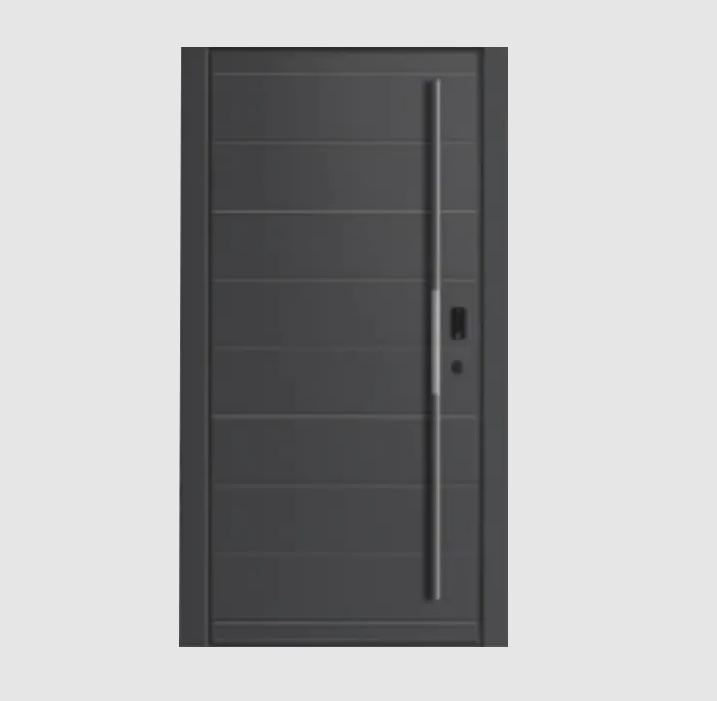
A metal door brings a distinct presence to any entrance or interior opening. Unlike lighter constructions, it carries weight and firmness that registers the moment the handle is turned. The material itself—typically steel or aluminum—forms the core structure, giving the door resistance to impact and a solid close that feels intentional rather than hollow.
Thickness and gauge determine much of the character. A heavier gauge steel creates a denser panel that dampens sound and holds its shape under repeated use. Aluminum versions remain lighter while still offering rigidity, making them practical for wider openings or areas where weight needs careful management. Both materials accept surface treatments that range from smooth powder coats to textured finishes that hide fingerprints and minor scuffs.
Design options extend beyond plain flat panels. Raised or recessed sections add visual depth without sacrificing the continuous metal surface. Glass inserts framed within the metal create light passages while keeping the overall structure intact. Hardware mounts securely because the material provides firm anchorage for hinges, locks, and handles. The result is a door that swings true and latches cleanly, even after frequent openings throughout the day.
Installation focuses on precise alignment. The metal door must sit square within its frame so that gaps remain even and the seal engages fully when closed. Thresholds and weatherstripping complete the fit, reducing drafts and helping maintain indoor comfort. Once in place, the door becomes a stable boundary rather than a flexible barrier that flexes with temperature changes.
Daily interaction reveals practical traits. The weight produces controlled momentum when opened or closed, avoiding the light bounce of thinner doors. Sound from the other side softens noticeably. Temperature transfer stays moderate because the metal surface, combined with any internal insulation, limits rapid heat or cold movement. These qualities appear consistently across different sizes and configurations.
Color and finish choices allow the metal door to suit varied settings. Neutral tones blend with existing architecture, while bolder shades create a focal point at the entry. Textured coatings add grip and visual interest under changing light. Whether used as a main entrance or an interior passage, the metal door delivers a reliable combination of firmness, quiet operation, and straightforward visual impact that supports the flow of daily movement through a space.

 English
 Arabic
 Spanish
 Portuguese
 Deutsch
 Turkish
 Dutch
Dutch
 Italiano
 Russian
 Romaian
 Portuguese (Brazil)
 Greek
Greek