


Can GFC Hair Treatment in Dubai Address Thinning Around the Temples?
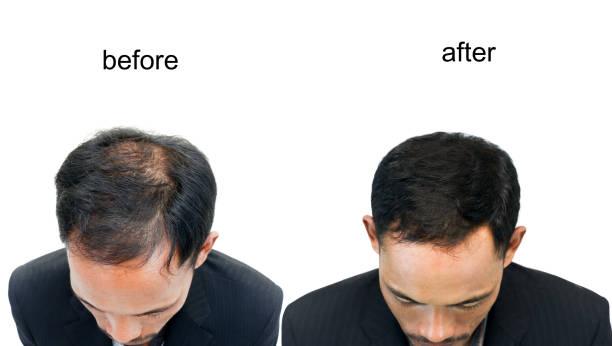
GFC Hair Treatment in Dubai may be considered for temple thinning when viable follicles remain and the area is experiencing miniaturization rather than complete follicular loss. Temple hair can be particularly challenging because even modest changes in density can alter the perceived shape of the hairline.
The first step is determining whether the temple contains weakened follicles that may benefit from support or whether the area has progressed to significant follicular absence.
Why Temple Thinning Is So Noticeable
The temples frame the upper sides of the face.
A relatively small reduction in density can therefore change the visual proportions of the hairline.
Common Signs of Temple Thinning
Patients may notice:
- More visible skin at the corners of the hairline
- A deeper temporal recess
- Finer hairs around the temple
- An increasingly angular hairline
- A change in facial framing
- Greater visibility when the hair is pulled back
These changes can develop gradually.
How GFC Hair Treatment in Dubai May Be Used Around the Temples
GFC is designed to deliver concentrated growth-factor components into selected scalp areas.
For temple thinning, treatment may focus on existing follicles that remain viable but have become weaker or more miniaturized.
The Goal Is Not to Draw a New Hairline
GFC does not create a new frontal hairline design.
A hair transplant is the procedure that can physically place follicles into an area where additional hair is required.
GFC has a different role: supporting selected follicles that are already present.
Temple Miniaturization Versus Follicular Absence
This distinction is especially important around the temples.
A temple can appear almost empty while still containing very fine miniaturized hairs.
Why Fine Hair Matters
If fine hairs are still present, the area may have a different treatment potential from a completely smooth region where follicles have been absent for a long period.
A clinical assessment can help establish which situation applies.
Can GFC Restore a Completely Receded Temple?
GFC should not be presented as a replacement for missing follicles.
If a temporal area has experienced advanced follicular loss, injections cannot simply create a new population of follicles.
When a Hair Transplant May Be Considered
A transplant may be discussed when additional density is required in an area with significant follicular absence and the patient has suitable donor follicles.
The choice depends on the overall hair-loss pattern and donor availability.
Why Temple Treatment Requires Precision
The temples are small, anatomically visible areas.
Overtreatment or poorly planned hair restoration can produce an unnatural transition between the frontal hairline and side regions.
Natural Direction Matters
A clinician planning any temple-focused restoration needs to consider:
- Existing hair direction
- Density around the temple
- Hairline shape
- Facial proportions
- Surrounding miniaturized hair
- Symmetry
GFC does not physically reposition follicles, but the treatment area still needs to be mapped carefully.
Who May Consider GFC for Temple Thinning?
GFC may be discussed for patients with:
- Early temporal miniaturization
- Fine hairs remaining around the temples
- Gradual rather than sudden thinning
- Existing scalp follicles in the treatment area
- A desire to support native hair before considering surgical restoration
This does not mean every patient with temple recession is a candidate.
Temple Thinning Can Have Different Causes
A receding temple is not always caused by the same hair-loss mechanism.
Clinicians may consider:
- Genetic pattern hair loss
- Natural hairline shape
- Traction from hairstyles
- Previous scalp injury
- Other causes of localized thinning
Why the Cause Matters
Treatment should address the actual biological problem.
For example, ongoing traction may require reducing mechanical stress rather than simply treating the affected area with an injectable procedure.
GFC and Frontal Hairline Planning
Temple density contributes to the overall appearance of the frontal hairline.
If surrounding native hair is progressively thinning, treating only one small area may not address the broader pattern.
Look at the Hairline as a Connected Region
A clinician may assess:
- Central frontal density.
- Temporal recession.
- Miniaturization behind the hairline.
- Crown involvement.
- Overall progression.
- Donor-area availability if transplantation may eventually be needed.
This prevents a narrow temple treatment from being planned without considering future changes.
Can GFC Preserve Existing Temple Hair?
The purpose of GFC may include supporting selected existing follicles.
However, “preserve” should not be interpreted as a guarantee that the hair will never thin again.
Progressive Hair Loss Still Needs Management
If the underlying cause remains active, additional thinning can occur.
Long-term monitoring is therefore important even when the initial treatment response is positive.
What Results Can You Expect?
The temple region contains relatively small numbers of hairs compared with larger scalp areas, so changes may be subtle.
Patients should expect gradual biological changes rather than an immediate reshaping of the hairline.
GFC cannot guarantee a specific degree of temple regrowth or recreate follicles that are no longer present.
Dubai-Specific Hairline Considerations
Bright sunlight, frequent photographs, professional grooming, and outdoor activities can make temple recession particularly noticeable.
Men and women who regularly wear pulled-back hairstyles may also notice changes in the temporal region more clearly.
These visual concerns can justify assessment, but appearance alone does not determine the correct treatment.
When Should Temple Thinning Be Assessed?
An assessment is worthwhile when temple density is steadily changing rather than simply reflecting a naturally mature hairline.
Look for:
- Progressive recession
- Increasing scalp visibility
- Fine hairs replacing thicker hairs
- Changes on both sides
- Thinning extending behind the temples
Early assessment can clarify whether follicles remain viable.
A Personalized Approach to Temple Hair
Temple thinning requires more than simply deciding whether to inject a growth-factor treatment.
The clinician needs to establish whether the area contains viable follicles, why the thinning is occurring, and whether supporting native hair or adding donor follicles is the more appropriate strategy.
For patients considering GFC hair treatment for temple thinning in Dubai, a detailed scalp assessment provides the most useful starting point.
Discuss Temple Thinning at Tajmeels Clinic
At Tajmeels Clinic, temple thinning can be evaluated in relation to the frontal hairline, surrounding native hair, follicular condition, and long-term restoration goals.
GFC may support selected existing follicles, while areas with significant follicular absence may require a different restoration approach.

 English
 Arabic
 French
 Spanish
 Portuguese
 Deutsch
 Turkish
 Dutch
Dutch
 Italiano
 Russian
 Romaian
 Portuguese (Brazil)