


Exploring EI Transformer Construction, Technology and User Experience
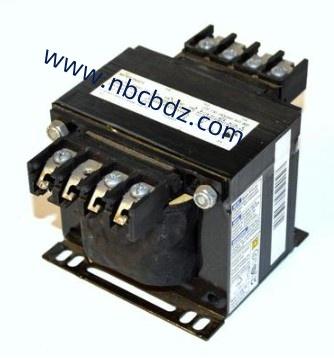
The materials used in a transformer form the foundation of its construction. An EI transformer generally combines a laminated magnetic core, conductive windings, insulation materials, terminals, and protective structural components. Each material has a different role within the complete assembly. The core supports magnetic energy transfer, while the winding conductor provides the electrical path required by the circuit. Insulation separates conductive sections and helps maintain the intended electrical arrangement.
Core material selection deserves careful attention because the magnetic core directly participates in transformer operation. The EI structure uses two complementary core sections that form an organized magnetic path around the winding assembly. Ningbo Chuangbiao identifies EI transformers as a characteristic part of its product range and states that it selects materials from approved suppliers as part of its production process.
Winding materials are equally important. Copper is widely used in transformer winding applications because of its established electrical conductivity and processing characteristics. The winding must be arranged carefully around the core while maintaining appropriate insulation between conductive layers and between different electrical sections. The quality of winding work can therefore influence both the physical construction and the consistency of the finished transformer.
When selecting a transformer, buyers should begin with the equipment rather than the transformer alone. The electrical architecture, installation location, surrounding components, operating environment, connection method, and maintenance requirements all deserve consideration. A transformer that appears suitable from a product category perspective may not be appropriate if its construction does not integrate naturally with the complete electrical assembly.
Environmental conditions can also affect material and construction choices. Equipment used in clean indoor environments may have different requirements from machinery exposed to moisture, dust, vibration, or changing temperatures. Buyers should communicate the actual working environment to the manufacturer so that insulation, protective treatment, winding arrangement, and structural design can be considered together.
Function and technology should be evaluated as part of the complete electrical system. An EI transformer can support power conversion, electrical isolation, control circuits, electronic equipment, and other applications depending on its design. Ningbo Chuangbiao offers electronic, isolation, control, inverter, high-current, and other transformer categories, indicating that transformer construction can be adapted to different equipment requirements.
Electrical isolation is particularly relevant in applications where different parts of a system need to remain separated. An isolation transformer uses physical separation between input and output power paths to help reduce the transfer of electrical interference and faults. Ningbo Chuangbiao describes its isolation transformers as being designed for applications requiring electrical isolation and stable power support.
Manufacturing technology has a direct relationship with product consistency. Core assembly, winding, insulation treatment, terminal connection, protective finishing, and final inspection all need to be coordinated. Small inconsistencies in these processes can affect how easily a transformer is installed or how consistently different production batches fit into equipment.
Ningbo Chuangbiao states that its employees are specially trained and that its manufacturing system includes CNC machines and automated testing systems. The company also states that transformers undergo comprehensive quality inspection and testing before leaving the factory. These processes can be particularly relevant for OEM buyers who require repeatable production.
User experience begins with installation. Clearly arranged terminals, practical mounting provisions, accessible connection points, and a well-organized external structure can make installation easier for electrical technicians. A transformer should fit naturally into the equipment rather than creating unnecessary obstacles for wiring or nearby components.
Maintenance access is another consideration. Although transformers are generally designed for long-term integration into electrical systems, technicians may still need to inspect connections, surrounding components, mounting conditions, or protective surfaces. A practical external arrangement can make these tasks easier without interfering with the rest of the equipment.
Noise and electromagnetic considerations may also influence user experience. Depending on the application, transformers can be located near sensitive electronic components, control systems, audio equipment, or other devices where unwanted interference may be a concern. Appropriate core construction, winding arrangement, insulation, and system integration can therefore become part of the design discussion.
For OEM and equipment manufacturers, customization can be valuable when standard products do not fit a particular assembly. Buyers may need a different mounting arrangement, terminal configuration, protective structure, or winding approach. Ningbo Chuangbiao describes a complete process covering design, procurement, manufacturing, quality assurance, logistics, sales, and customer service, which can support communication across different stages of a customized transformer project.
The physical appearance of a transformer also has a practical role. A clean external structure, orderly terminals, consistent insulation treatment, and suitable protective surfaces can contribute to a more organized electrical assembly. In control cabinets and electronic equipment, a neat component arrangement can make wiring and inspection easier for technicians.
Appearance can also matter to equipment manufacturers developing finished products for customers. Consistent transformer construction can help maintain a coordinated visual language across different internal components. While appearance should not replace electrical compatibility, it can complement functional design when transformers are visible during installation, servicing, or product inspection.
Supplier evaluation should therefore cover more than product availability. Buyers can review material sourcing, manufacturing processes, testing practices, technical support, customization capabilities, and communication procedures. Ningbo Chuangbiao states that it has a technical development team and provides technical consultation in addition to manufacturing and quality assurance services.
For engineers, purchasing teams, and equipment manufacturers, discussing the transformer together with its surrounding electrical system can make product selection more practical. Materials, core construction, winding methods, insulation, installation, maintenance, technology, user experience, and exterior design all contribute to how the finished component integrates with the equipment.
For more information about Ningbo Chuangbiao Electronic Technology Co., Ltd., its EI transformer range, electronic transformers, isolation transformers, control transformers, and other transformer products, visit https://www.nbcbdz.com/product/.

 English
 Arabic
 French
 Spanish
 Portuguese
 Deutsch
 Turkish
 Dutch
Dutch
 Russian
 Romaian
 Portuguese (Brazil)
 Greek
Greek