


What Actually Makes a Golf Shaft Launch the Ball Higher? Best Driver Shafts for More Launch Angle
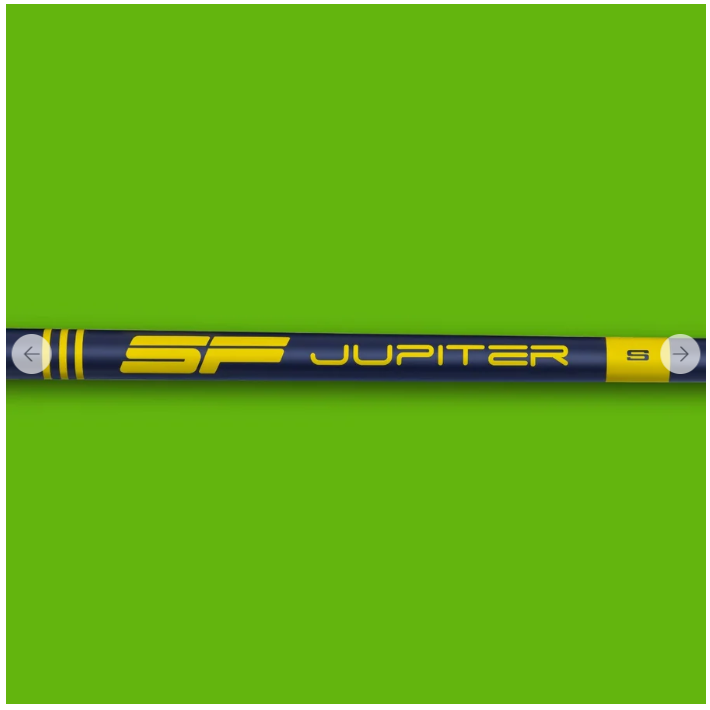
So, what makes a golf shaft launch the ball higher?Two shafts described as "low kick" can perform differently because their overall bend profiles, torque, weight, materials, and stiffness distribution aren't necessarily the same.
More importantly, golfers load and unload shafts differently.
That's why a low kick point shaft isn't automatically the best high-launch shaft for every player.
Want to understand this in more detail? Read our complete guide: What Is Kick Point in a Golf Shaft?
Step 3: Make Sure Your Shaft Flex Matches Your Swing
This is one of the most important areas to check when trying to increase launch angle with a golf shaft.
Golfers sometimes choose Stiff flex simply because they assume a firmer shaft will provide better control.
But shaft flex should match how you actually swing.
If a shaft is too stiff for your speed and delivery, you may have difficulty loading it effectively. Depending on your swing, this can contribute to a lower trajectory or make it harder to achieve the launch conditions you're looking for.You make solid contact. Your swing feels good. But the ball still comes off the driver low, stays flat, and drops out of the air sooner than you expect.
If that sounds familiar, you may be dealing with a low launch angle.
Golfers often try to fix low launch by increasing the loft on their driver. That can help, but the clubhead is only part of the equation. Your golf shaft can also influence how the club is delivered at impact.
The answer usually comes down to the shaft's bend profile or kick point, flex, weight, and how those characteristics interact with your individual swing. Finding the right combination can help you create a better launch window without completely rebuilding your swing.
Here's how it works.
Step 1: Understand Dynamic Loft at Impact
The loft printed on your driver isn't necessarily the exact loft presented to the ball at impact.
That's because your hands, clubhead, shaft, attack angle, and clubface position are all moving dynamically during the swing. Together, these factors influence what's known as dynamic loft.
Dynamic loft is the actual loft delivered by the club at impact, and it plays an important role in determining launch angle and spin.
A golf shaft can influence this delivery because it bends and twists during the swing. Different shaft profiles can therefore produce different results for different golfers.
If you're consistently hitting low drives despite making solid contact, your shaft setup is one of several things worth checking.
Step 2: Understand How Kick Point Can Affect Launch
If you're researching the best driver shaft for increasing launch angle, you'll probably come across the term "kick point."
Kick point generally refers to the area of the shaft where bending is most pronounced.
A simple way to think about it is:
-
Lower kick point: generally associated with a higher launch profile.
-
Mid kick point: generally designed for a more neutral or mid launch.
-
Higher kick point: generally associated with a lower, more penetrating trajectory.
However, kick point shouldn't be considered in isolation.
On the other hand, moving to a more appropriate flex may help improve feel, delivery, and overall performance.
For example, a golfer with a moderate swing speed may find that Regular or Senior flex works better than an overly stiff setup.
But don't choose flex based on swing speed alone. Tempo, transition, release pattern, strike location, and personal feel matter too.
If you already know your driver swing speed, use our Driver Shaft Flex Chart as a starting point.
Step 4: Consider Shaft Weight
Shaft weight is another important factor when searching for the best driver shaft for more launch angle.
A lighter golf shaft can help some players generate more clubhead speed and may make it easier to produce the delivery they need for a higher launch.
This is particularly relevant for golfers with moderate swing speeds, seniors, or players who struggle to generate speed with heavier equipment.
But there's an important distinction:
Lighter doesn't automatically mean higher.
If you move into a shaft that's too light for your tempo, you may lose awareness of the clubhead or struggle with timing and consistency.
That can lead to inconsistent strike, dispersion, and launch.
Instead of searching for the lightest driver shaft available, look for a lightweight shaft that still gives you stability and control.
The goal is to find the right balance between speed, launch, feel, and consistency.
[IMAGE: Golf Shaft Launch Angle Factors – Kick Point, Flex and Weight]
Step 5: Make Sure Low Launch Is Actually the Problem
Before buying a new shaft, make sure you're solving the correct problem.
You may benefit from a higher-launching setup if your well-struck drives consistently come out low, your ball flight looks more like a line drive than a rising trajectory, or you've already increased your driver's loft and still struggle to produce enough height.
But equipment isn't the only possible cause.
Low launch can also be influenced by factors such as:
-
Negative or excessively downward attack angle
-
Ball position too far back
-
Low-face strike
-
Insufficient driver loft
-
Club delivery at impact
If you're already launching the ball high or producing excessive spin, chasing an even higher-launch shaft could make your ball flight less efficient.
This is why it's better to diagnose your actual ball flight before changing equipment.
Step 6: What to Look for in a High-Launch Driver Shaft
If you've confirmed that you need more launch, don't shop based on a single "high launch" label.
Start with fit.
First, determine which shaft flex matches your swing speed and delivery. Then consider the shaft's weight and overall bend profile.
For many golfers looking to increase driver launch, the ideal setup may involve a more appropriate flex, a manageable overall weight, and a bend profile designed to support their desired trajectory.
The important point is that these characteristics work together.
A lightweight shaft that's far too stiff may not produce the result you expect. Likewise, a low kick point shaft that's too soft or poorly matched to your tempo may create inconsistent results.
The best driver shaft for increasing launch angle is ultimately the one that produces better launch conditions while preserving control and consistency for your swing.
Step 7: How This Applies to Steadfast Golf Shafts
At Steadfast Golf, we believe shaft selection should start with honest specifications rather than marketing claims.
The published specifications for the Jupiter One family focus on factors such as flex, weight, and torque. We don't publish a numeric kick point specification, so we're not going to invent one simply to label the shaft "high launch."
Instead, start by determining whether your current shaft flex and weight actually suit your swing.
A golfer with a slower or smoother swing may find that moving from an overly stiff setup into an appropriately fitted Regular or Senior flex provides a noticeably different feel and ball flight.
For golfers looking for a lighter option, shaft weight can also be considered alongside flex and overall feel.
Not sure where you fit?
Take the Steadfast Golf Shaft Selector Quiz to narrow down the right setup for your swing.
For golfers who want more individualized specifications, explore our Custom Golf Shafts.
Frequently Asked Questions About High-Launch Golf Shafts
What makes a golf shaft launch the ball higher?
A shaft can influence launch through its overall bend profile, flex, weight, and how it responds to your swing. Lower kick point profiles are commonly associated with higher launch, while an appropriately fitted flex and weight can help you deliver the club more effectively.
Will a lighter shaft always launch the ball higher?
No. A lightweight golf shaft can help some golfers create more speed and improve their launch conditions, but going too light may negatively affect timing and strike consistency. The right weight depends on your swing speed, tempo, and delivery.
Is a low kick point shaft good for a higher launch?
Generally, a low kick point shaft is designed to encourage a higher trajectory compared with a higher kick point profile. However, kick point is only one part of shaft fitting and doesn't guarantee a specific launch angle for every golfer.
Is shaft flex the same as kick point?
No. Shaft flex describes the shaft's overall resistance to bending, while kick point refers to where the shaft's bending characteristics are concentrated. Both can influence feel and ball flight.
Can changing my driver shaft fix a low launch angle?
It can help when your current shaft is poorly matched to your swing, but a shaft isn't the only factor controlling launch. Driver loft, attack angle, strike location, club delivery, and ball position should also be considered.
Find the Right Shaft for Your Launch
If your drives are consistently flying too low, don't immediately assume you need a new swing or more driver loft.
Start by looking at the complete setup.
Your shaft flex, weight, bend profile, driver loft, strike location, and swing delivery all contribute to the launch conditions you produce.
If you're specifically trying to find the best driver shaft for more launch angle, begin with flex. Make sure the shaft can work effectively with your swing rather than against it. From there, evaluate weight and bend profile to fine-tune your trajectory.
Use these resources to continue:
Take the Shaft Selector Quiz to find a shaft setup based on your swing.
Check the Driver Shaft Flex Chart if you already know your driver swing speed.
Read Kick Point Explained to understand how shaft bend profile can influence trajectory.
Shop the Jupiter One Plus Driver Shaft once you've identified the flex and weight that make sense for your swing.
The Bottom Line
So, what makes a golf shaft launch the ball higher?
There isn't one magic specification.
Kick point or bend profile can influence trajectory. Flex determines how the shaft responds to your swing. Weight can affect speed, timing, and delivery. And all three need to work with your driver setup and swing characteristics.
If you're struggling with low drives, start by confirming that your shaft flex is appropriate. Then evaluate shaft weight and bend profile rather than simply buying whatever is advertised as the "highest launching" shaft.
The right shaft isn't necessarily the softest or lightest.
It's the one that helps you consistently produce the launch, strike, and control your swing needs.

 English
 Arabic
 French
 Spanish
 Portuguese
 Deutsch
 Turkish
 Italiano
 Russian
 Romaian
 Portuguese (Brazil)
 Greek
Greek