


Physiotherapy Equipment: Types, Uses, and Benefits
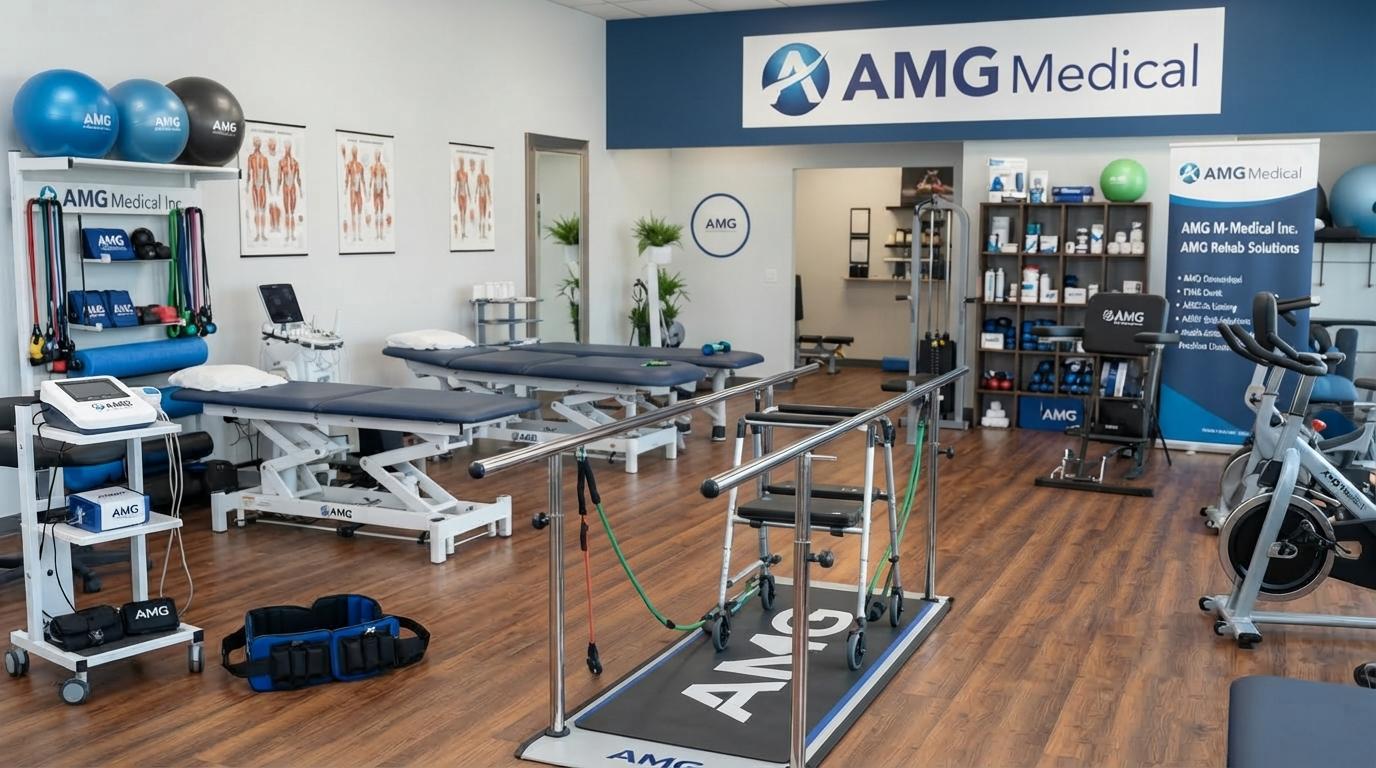
Physiotherapy is an important part of healthcare that helps people improve movement, strength, balance, and physical function. Patients may need physiotherapy after an injury, surgery, illness, or because of long-term movement problems. Physiotherapists use different tools and devices to support exercises and treatment. The right physiotherapy equipment can make treatment more organized and help patients perform exercises safely.
Modern physiotherapy centers use many types of equipment for different treatment needs. Some devices are used to improve muscle strength, while others support stretching, balance, movement, pain relief, and recovery. The type of equipment needed depends on the patient's condition, age, treatment plan, and level of physical ability.
Healthcare facilities may work with hospital equipment suppliers when purchasing physiotherapy products. These suppliers can provide exercise devices, treatment tables, therapy machines, and other healthcare products. Proper hospital furniture can also support physiotherapy rooms by providing comfortable and suitable spaces for patients and therapists.
What Is Physiotherapy Equipment?
Physiotherapy equipment includes tools, machines, and devices used by physiotherapists during physical treatment and rehabilitation. These products can support exercises, improve movement, build strength, and help patients return to normal daily activities.
Some equipment is simple and can be used without electricity, while other devices use power to provide specific forms of treatment. Each product has a different purpose, and physiotherapists select equipment according to the patient's needs.
Importance of Physiotherapy Equipment
The right equipment can help physiotherapists provide structured treatment. Patients often need repeated exercises and controlled movements to improve their physical condition.
Suitable equipment can make these exercises easier to perform and may help patients stay active during therapy. It can also allow therapists to adjust exercises according to a patient's strength and progress.
Proper equipment does not replace professional care. It is used as part of a treatment plan prepared by a qualified physiotherapist.
Exercise Mats
Exercise mats are common in physiotherapy centers. They provide a soft and stable surface for floor-based exercises, stretching, balance activities, and other movements.
Mats can be useful for patients who need to perform exercises while sitting, lying down, or kneeling. They should be easy to clean and strong enough for regular use.
A clean and safe exercise surface can also make the treatment area more comfortable for patients.
Therapy Tables
Therapy tables are used during many physiotherapy sessions. They provide a suitable surface for assessment, stretching, manual therapy, and other treatments.
Different tables may have adjustable sections that allow therapists to position patients according to the treatment being provided. The height and design of the table can also affect how easily a therapist can work.
A strong and easy-to-clean table is important for regular clinical use.
Treadmills
Treadmills can be used during rehabilitation to support walking and movement exercises. They allow patients to walk at a controlled speed while the physiotherapist observes their movement.
The speed can often be adjusted according to the patient's ability. Some rehabilitation treadmills may also have support features for patients who need additional help while walking.
Treadmill exercises should be performed under suitable professional guidance, especially when a patient has limited balance or strength.
Exercise Bikes
Exercise bikes are used to support leg movement and improve physical fitness. They allow patients to perform controlled cycling movements while sitting in a stable position.
The resistance can often be adjusted according to the patient's ability. Exercise bikes may be useful during recovery from certain injuries or conditions when controlled movement is part of the treatment plan.
Resistance Bands
Resistance bands are simple and flexible tools used for strength and movement exercises. They are available in different resistance levels, allowing exercises to be adjusted according to a patient's ability.
Physiotherapists may use resistance bands for different parts of the body. They can also be useful because they are lightweight and easy to store.
Proper technique is important when using resistance bands to reduce the risk of strain or incorrect movement.
Exercise Balls
Exercise balls are used for balance, stretching, posture, and strength exercises. They are available in different sizes to suit different patients and activities.
A physiotherapist may use an exercise ball to challenge a patient's balance or support certain movements. The level of difficulty can be changed according to the patient's progress.
Exercise balls should be used on a suitable surface and under proper guidance when required.
Parallel Bars
Parallel bars are commonly used in rehabilitation centers to support patients during walking and balance exercises. They provide stable support while patients practice standing or moving.
These bars can be useful for people who are recovering from injuries, surgery, or conditions that affect movement. The therapist can observe the patient's walking pattern and provide support when needed.
Balance Equipment
Balance equipment helps patients work on stability and body control. It can include balance boards, foam pads, and other simple devices.
Balance training may be useful for patients who have difficulty standing or walking safely. Exercises can be adjusted from simple movements to more challenging tasks as the patient improves.
Good balance can support safer movement during daily activities.
Electrical Therapy Devices
Some physiotherapy centers use electrical therapy devices as part of certain treatment plans. These devices may deliver controlled electrical signals through pads placed on the skin.
The exact use depends on the device and the patient's condition. Electrical therapy should only be used by trained professionals who understand the device and its safety requirements.
Equipment should be checked regularly to make sure it is working properly.
Ultrasound Therapy Equipment
Therapeutic ultrasound devices use sound waves as part of certain physiotherapy treatments. A therapist moves a special head over the treatment area according to the treatment plan.
This type of equipment may be used for selected soft tissue and muscle-related treatment needs. The device should be operated by a trained professional and according to the manufacturer's instructions.
Heat and Cold Therapy Equipment
Heat and cold are commonly used in physiotherapy settings. Heat products can provide warmth to selected areas, while cold products can be used as part of certain treatment plans.
Different devices and methods may be used depending on the patient's condition. Physiotherapists decide when and how these methods should be used.
Proper temperature control and safe handling are important to protect the patient's skin.
Hand and Finger Exercise Tools
Small exercise tools can help patients improve hand and finger movement and strength. These may include therapy putty, grip tools, finger exercisers, and small resistance devices.
Such products can be useful for patients recovering from hand injuries or dealing with reduced hand strength. Exercises can be adjusted based on the patient's ability.
Regular practice can support progress when these exercises are part of a suitable treatment plan.
Importance of Hospital Furniture
Good hospital furniture can help create a comfortable and organized physiotherapy environment. Therapy chairs, treatment tables, storage cabinets, stools, and other furniture can support both patients and healthcare workers.
Furniture should be strong, easy to clean, and suitable for regular use. Proper placement can also provide enough space for patients to move safely during exercises.
Role of Hospital Equipment Suppliers
Hospital equipment suppliers can help physiotherapy centers find suitable products for treatment and rehabilitation. They may provide exercise equipment, therapy machines, treatment tables, mobility products, and other healthcare items.
A reliable supplier can also provide product information, delivery, installation, warranty support, and maintenance services. Before purchasing, healthcare facilities should consider product quality, durability, safety, and after-sales support.
Maintenance of Physiotherapy Equipment
Regular maintenance is important for keeping therapy equipment safe and useful. Equipment should be checked for loose parts, damage, wear, or other problems.
Electrical devices may require technical inspection, while exercise products may need regular cleaning and physical checks. Following the manufacturer's instructions can help extend the useful life of equipment.
Faulty products should be removed from use until they have been checked or repaired.
Staff Training and Safe Use
Physiotherapists and other healthcare workers should understand how to use each device correctly. Training can help reduce incorrect use and protect both patients and equipment.
Patients should also receive clear instructions before using exercise equipment. The difficulty of an exercise should match the patient's physical ability and treatment plan.
Professional supervision is especially important when patients are using equipment for the first time.
Choosing the Right Equipment
A physiotherapy center should choose equipment according to the types of patients and treatments it provides. Space, budget, product quality, ease of cleaning, maintenance needs, and staff training should all be considered.
Buying too much equipment may create storage problems, while having too little equipment may limit treatment options. A planned approach can help facilities choose products that are useful for their patients.
Conclusion
Physiotherapy equipment plays an important role in physical rehabilitation and patient care. Exercise mats, therapy tables, treadmills, exercise bikes, resistance bands, exercise balls, parallel bars, balance devices, and therapy machines can support different treatment needs.
Suitable hospital furniture can make physiotherapy areas more comfortable and organized, while reliable hospital equipment suppliers can provide equipment and technical support. Proper selection, maintenance, training, and safe use are important for getting the best value from therapy products.
With the right equipment and professional guidance, physiotherapy centers can create a suitable environment for patients working toward better movement, strength, balance, and physical function.
More Info: Amg Medical

 English
 Arabic
 French
 Portuguese
 Deutsch
 Turkish
 Dutch
Dutch
 Italiano
 Russian
 Romaian
 Portuguese (Brazil)
 Greek
Greek