


How Caregivers at Home Assist With Bathing and Dressing
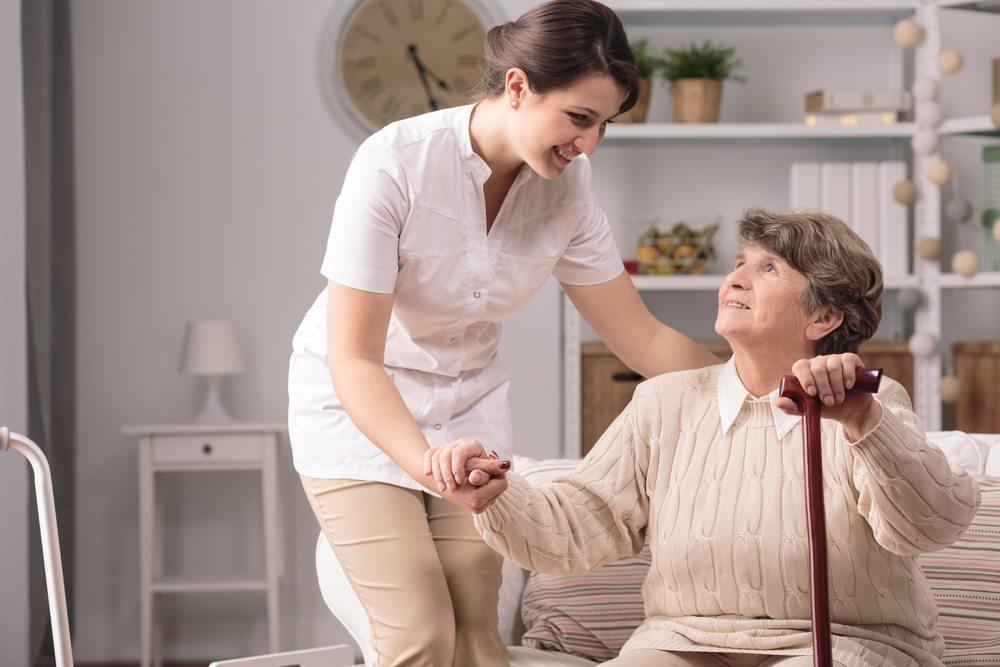
Bathing and dressing are essential parts of everyday personal care, but they can become difficult for older adults, people with limited mobility, individuals recovering from illness or surgery, and those who need additional assistance with daily activities. Caregivers at home in Dubai can provide respectful, practical support with these routines while helping individuals maintain comfort, dignity, and appropriate independence. When healthcare concerns affect personal care, families can also coordinate with a Doctor at Home and other qualified healthcare professionals to ensure that caregiving activities follow suitable recommendations.
Why Bathing and Dressing Assistance Matters:
Bathing and dressing involve standing, bending, reaching, transferring, and maintaining balance, which can be challenging for people with weakness or mobility limitations. Assistance can make these activities safer while reducing the need for unnecessary physical strain. A caregiver can help the individual prepare before bathing, organize clothing, provide support during personal care, and ensure that the person is comfortable afterward. The level of assistance should depend on the individual's abilities, preferences, and care plan rather than automatically taking over tasks they can safely perform themselves.
Preparing the Bathroom Before Bathing:
Proper preparation can make bathing more comfortable and reduce common household risks. Caregivers should ensure that the bathroom is organized before beginning the routine so the individual does not need to move around unnecessarily. Towels, clean clothes, toiletries, and other essential items can be placed within easy reach. The floor should be checked for water or other slipping hazards, and appropriate bathroom equipment should be used when recommended. Helpful preparations may include:
- Placing a clean towel within reach
- Preparing suitable clothing
- Checking the bathroom temperature
- Keeping frequently used toiletries accessible
- Ensuring adequate lighting
- Removing unnecessary objects from walking areas
- Using recommended non-slip equipment
These simple steps can make the bathing process smoother and more organized.
Supporting Safe Transfers:
Getting into and out of a shower or bathtub can be particularly challenging for people with limited balance or strength. Caregivers can provide assistance with transfers according to their training and the individual's care instructions. The person should be allowed enough time to move rather than being rushed. Stable surfaces and recommended mobility equipment can provide additional support. Caregivers should avoid attempting unsafe lifting techniques and should seek professional guidance if the individual requires more physical assistance than they can safely provide.
Maintaining Privacy and Dignity During Bathing:
Personal hygiene assistance should always be provided respectfully. Caregivers can explain what they are going to do, ask for permission before providing physical assistance, and allow the individual to complete private tasks independently whenever it is safe. Doors, curtains, or appropriate coverings can be used to protect privacy. Communication should remain calm and respectful throughout the process. Maintaining dignity is especially important when individuals feel uncomfortable about needing help with activities they previously managed independently.
Helping With Different Bathing Needs:
Not everyone requires the same type of bathing assistance. Some individuals may only need help preparing supplies or getting safely into the bathroom, while others may require more comprehensive support. Caregivers can adapt their assistance according to the person's abilities and healthcare requirements. Depending on the situation, support may involve:
- Setting up bathing supplies
- Assisting with entering or exiting the shower
- Helping wash difficult-to-reach areas
- Providing support while standing
- Helping with drying
- Assisting with grooming afterward
- Monitoring for signs of discomfort or fatigue
Any special bathing precautions should follow instructions from the individual's healthcare professional.
Choosing Suitable Clothing:
Dressing can also present challenges when a person has limited mobility, weakness, joint stiffness, or difficulty with coordination. Caregivers can help select clothing that is comfortable, appropriate for the weather, and easy for the individual to manage. Loose or complicated garments may be difficult for some people, while clothing with simple fasteners can make dressing easier. Footwear should fit securely and be appropriate for safe movement. The individual should be encouraged to participate in choosing clothing whenever possible, as this supports personal preference and independence.
Assisting With Dressing Step by Step:
A structured approach can make dressing less stressful and more manageable. Caregivers can prepare all necessary clothing before beginning and provide assistance gradually. The person can be encouraged to sit when appropriate to reduce unnecessary standing and balance demands. Caregivers should communicate clearly and allow enough time for each step. A typical routine may include:
- Preparing clothes in the order they will be worn
- Helping the individual sit safely when needed
- Assisting with garments that are difficult to put on
- Allowing the person to manage tasks they can safely complete
- Checking that clothing is comfortable
- Helping with footwear when required
- Ensuring mobility aids are accessible before standing
This approach can provide support without unnecessarily reducing independence.
Supporting People With Limited Mobility:
Individuals with limited mobility may require additional assistance during bathing and dressing. Caregivers can organize routines to reduce unnecessary transfers and prolonged standing. A person may be more comfortable completing parts of dressing while seated, depending on their abilities and professional recommendations. Caregivers can also ensure that mobility aids are positioned appropriately before the individual begins moving. If mobility suddenly worsens or the person becomes unable to perform a task they previously managed, the change should be communicated to a healthcare professional.
Bathing and Dressing After Surgery:
People recovering from surgery may have specific restrictions concerning movement, wounds, dressings, or bathing. Caregivers should follow the instructions provided by the surgical or healthcare team rather than assuming that normal bathing practices are appropriate. The caregiver may help prepare the bathroom, assist with clothing, and support safe movement while avoiding pressure on affected areas. Surgical wounds or dressings should be handled only according to professional instructions. New swelling, bleeding, unusual drainage, worsening pain, fever, or other concerning changes should be reported appropriately.
Supporting Older Adults During Personal Care:
Older adults may need assistance because of reduced balance, strength, flexibility, or endurance. Caregivers can provide support while maintaining a familiar routine and encouraging participation. Bathing may be scheduled at a time when the person has sufficient energy, while dressing can be completed at a comfortable pace. The caregiver can also watch for changes such as increased difficulty standing, new balance problems, unusual fatigue, or changes in skin condition. These observations can be useful when communicating with family members and healthcare professionals.
Maintaining Skin Care and Hygiene:
Bathing provides an opportunity to observe the condition of the skin. Caregivers can notice areas of dryness, redness, irritation, bruising, or other changes and communicate concerns when appropriate. After bathing, the skin should be dried carefully, particularly in areas where moisture can accumulate. Any prescribed skin-care products should be used according to professional instructions. Individuals who spend significant periods in bed or have limited movement may require additional attention to pressure-prone areas.
Making the Routine Comfortable:
Personal care should not feel rushed or unnecessarily stressful. Caregivers can maintain a calm environment by preparing supplies beforehand, communicating throughout the process, and allowing appropriate breaks. Water temperature should be comfortable and checked before bathing. The bathroom should be adequately ventilated while maintaining a suitable environment for the individual. After bathing and dressing, the person can be helped to a comfortable location and provided with water or other appropriate refreshments if part of their routine.
When Professional Healthcare Guidance Is Needed:
Some personal-care challenges may indicate a need for professional assessment. New difficulty walking, repeated falls during bathing, severe weakness, sudden confusion, significant pain, skin breakdown, or changes around a surgical wound should not be managed solely through routine caregiving. A healthcare professional can assess the situation and provide appropriate recommendations. Caregivers can then incorporate those instructions into the individual's daily bathing and dressing routine.
Final Thoughts:
Bathing and dressing assistance involves much more than completing personal-care tasks. It requires patience, safety awareness, communication, and respect for the individual's privacy and independence. Caregivers at home in Dubai can help make these routines more manageable by preparing the environment, supporting safe transfers, assisting with clothing, observing changes, and following appropriate healthcare instructions. A personalized approach allows individuals to receive the assistance they need while maintaining dignity and participating in daily life as independently as possible.

 English
 Arabic
 French
 Spanish
 Portuguese
 Deutsch
 Turkish
 Dutch
Dutch
 Italiano
 Romaian
 Portuguese (Brazil)
 Greek
Greek