


How to Prevent Back Pain After a Car Accident?
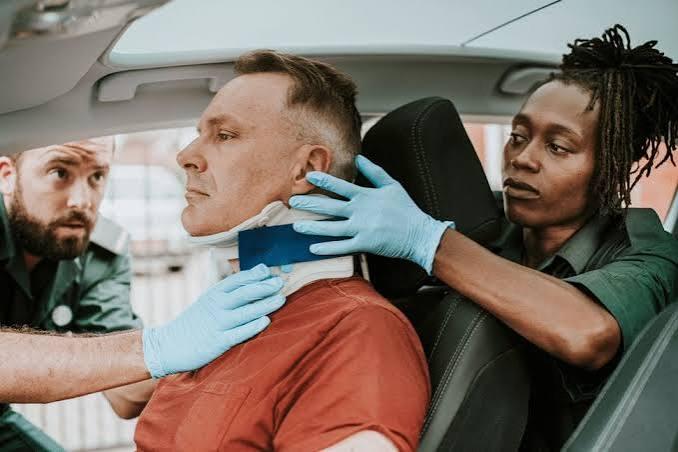
A car accident can place sudden force on the muscles, ligaments, joints, and spine. Even when there is no obvious injury immediately after a crash, symptoms can appear hours or days later. Understanding how to protect your back before and after a collision can reduce unnecessary strain and help you recognize signs that require medical attention.
Back pain after a car accident can develop from muscle or ligament strain, sudden twisting, whiplash-related tension, disc injuries, or other trauma. The severity of symptoms can vary based on the force of the collision, body position, existing spinal problems, and the type of injury involved.
Why Does Back Pain Happen after a Car Accident?
During a collision, the body may move suddenly forward, backward, or sideways while the vehicle changes speed. This rapid movement can place stress on the structures supporting the spine. Muscles and ligaments can become strained, while discs or joints may also be affected.
Some people notice pain immediately, while others develop stiffness, soreness, or restricted movement later. Whiplash is primarily a neck injury, but it can also cause pain involving the shoulders and upper back. Symptoms may develop within hours or several days after the accident.
How Can You Prevent Back Pain After a Car Accident?
Prevention begins with reducing the amount of force placed on the body during a collision and taking appropriate steps afterward. Seat belts, proper seating position, and correctly adjusted head restraints all contribute to safer positioning inside the vehicle.
After an accident, avoiding unnecessary strain is also important. If you have significant pain or symptoms suggesting a spinal injury, attempting to stretch, exercise, or move aggressively can make the situation worse.
Wear your Seat Belt Correctly
A seat belt is one of the most important safety measures available during a crash. Positioning the lap belt across the hips and below the stomach, while the shoulder belt should cross the middle of the chest and remain away from the neck.
A seat belt should never be placed behind your back or under your arm. Correct use helps keep the body in a safer position and reduces the risk of serious injury during a collision.
Adjust your Seat Before Driving
Your driving position can affect how your body responds to sudden vehicle movement. Sit with your back supported by the seat and position the controls so you do not need to lean forward or twist repeatedly while driving.
The head restraint should also be positioned appropriately. Proper vehicle positioning cannot eliminate injury risk, but it can help provide better support during a crash.
Keep your Back Strong Before an Accident
Regular physical activity can help maintain the strength and flexibility needed to support the spine. Walking, swimming, cycling, and other low-impact activities may help improve overall back conditioning.
Core and back strengthening exercises can also support the muscles around the spine. Regular exercise and strengthening of the abdominal and back muscles as part of general back pain prevention.
What Should You Do Immediately After a Car Accident?
Not every accident causes a serious injury, but symptoms should not be ignored simply because you feel fine immediately afterward. Adrenaline and the stress of a collision can make it difficult to recognize pain right away.
If the accident involved substantial force and you develop significant neck or back pain, medical evaluation is appropriate. Mayo Clinic advises emergency medical care for back pain that occurs after trauma such as a car crash.
If a spinal injury is suspected, avoid unnecessary movement until medical help arrives. Severe back or neck pain, weakness, numbness, paralysis, or loss of bladder or bowel control can indicate a potentially serious spinal injury.
Can Movement Help Prevent Stiffness After an Accident?
Once a serious injury has been ruled out, remaining completely inactive for an extended period is generally not recommended. For many types of back pain, light activity such as walking can support recovery, while prolonged bed rest may slow progress.
The key is to increase activity gradually. Stop movements that significantly increase your symptoms and follow the activity recommendations provided by your healthcare professional.
When is Lower Back Pain Treatment Needed?
Some post-accident pain improves as strained muscles and other soft tissues recover. However, persistent or worsening symptoms may require an assessment to determine the underlying cause. Lower back pain treatment clinic in Mesquite can vary depending on the injury.
A healthcare professional may recommend activity modification, medication, physical therapy, exercises, or other treatments based on the examination and symptoms. Treatment should not be based only on the location of the pain. Pain extending into the buttock or leg, numbness, tingling, weakness, or changes in walking can suggest nerve involvement and may require further evaluation.
How Can Physical Therapy Help After a Collision?
Physical therapy can be useful when back pain continues after the initial injury has been evaluated. A therapist can assess movement, flexibility, strength, posture, and functional limitations. Treatment may include gentle mobility exercises, strengthening work, stretching, posture training, and gradual return to normal activities.
The program should match the individual’s injury and recovery stage rather than following a generic exercise routine. For people whose symptoms continue for several weeks, physical therapy may become part of a broader chronic back pain treatment in Mesquite plan when appropriate.
Can Pain Management Help Prevent Long Term Problems?
Pain management does not simply mean taking medication. It can involve identifying the source of pain, improving physical function, treating inflammation, and using targeted therapies when conservative measures are not enough. A pain management for back pain evaluation may be considered when symptoms persist, interfere with daily activities, or do not respond adequately to initial care.
The provider may review the accident history, symptoms, physical findings, previous treatments, and any available imaging before recommending the next step. The goal is to address the source and impact of pain while helping the patient gradually return to normal activity.
Can Injections be Used After a Car Accident?
Injections are not necessary for every person with accident-related back pain. They may be considered when a specific pain generator has been identified and other approaches have not provided sufficient relief. For selected patients, trigger point injections for back pain may be used when painful muscle trigger points are contributing to symptoms.
Other types of injections may be considered when inflammation around certain spinal structures or nerves is suspected. The type of injection depends on the diagnosis. Imaging, examination findings, and symptom patterns can help determine if an injection is appropriate.
What Happens When Back Pain Becomes Chronic?
Pain that continues beyond the expected recovery period deserves a closer evaluation rather than being ignored. Persistent symptoms can sometimes involve ongoing muscle tension, joint problems, disc changes, nerve irritation, or other conditions. A back pain doctor near me can evaluate the pattern of symptoms and determine if additional testing or treatment is appropriate.
Depending on the findings, care may include physical therapy, medication management, targeted injections, or referral for another type of specialist assessment. The treatment plan can change as symptoms improve or new findings appear.
When Should you See a Spine Specialist?
A spine doctor in Mesquite may evaluate patients whose pain continues after an accident or who develop symptoms suggesting a spinal or nerve-related problem. Evaluation can be useful when pain travels into the legs, weakness or numbness develops, or ordinary activities become difficult.
Not every patient requires advanced imaging or surgery. The appropriate evaluation depends on the symptoms, physical examination, injury mechanism, and clinical findings.
What Warning Signs Should Never be Ignored?
Most importantly, prevention does not mean trying to manage serious accident injuries at home. Certain symptoms can signal an injury requiring urgent medical attention. Seek emergency care if back pain follows significant trauma and is severe, or if it occurs with new bowel or bladder control problems.
Weakness, numbness, tingling, difficulty walking, or other neurological changes also require prompt medical evaluation. Other symptoms that warrant medical assessment include pain that is constant or worsening, pain traveling down the leg, or symptoms that do not improve as expected.
Can Back Pain be Completely Prevented After a Crash?
There is no method that can guarantee a person will avoid back pain after a collision. The forces involved can be unpredictable, and injuries can occur even when appropriate safety measures are used. However, using a seat belt correctly, maintaining a safe driving position, keeping the back physically conditioned, obtaining appropriate medical evaluation after significant trauma, and following a gradual recovery plan can all support safer recovery.
The most important point is not to ignore symptoms simply because they appear mild at first. Some accident-related symptoms can become noticeable later, so changes in pain, movement, strength, or sensation should be monitored.
Frequently Asked Questions
Can back pain start days after a car accident?
Yes. Some injuries may not become noticeable immediately. Whiplash symptoms, for example, can develop within hours or days after an accident, and back pain may also become more noticeable as the initial stress of the collision settles.
Should I exercise after a car accident?
Exercise should depend on the injury and your symptoms. If a serious injury has been ruled out, light movement can often be preferable to prolonged bed rest, but activities that increase pain should be avoided.
How long does accident related back pain last?
Recovery varies according to the type and severity of the injury. Many uncomplicated cases of back pain improve within several weeks, while some people develop persistent symptoms that require further evaluation and treatment.
Do I need an MRI after a car accident?
Not everyone needs an MRI. Imaging decisions depend on the mechanism of injury, examination findings, neurological symptoms, severity of pain, and the healthcare professional’s assessment. More advanced testing may be considered when the findings suggest a significant structural or nerve-related problem.
Can back pain after a crash become chronic?
It can in some cases. Persistent pain may be associated with ongoing muscle, joint, disc, or nerve-related problems. If symptoms continue or worsen, an evaluation can help identify possible causes and guide treatment.
Conclusion
Preventing back pain after a car accident starts with basic safety measures such as correct seat belt use and proper positioning inside the vehicle. After a collision, recognizing symptoms early is just as important. Significant pain, numbness, weakness, difficulty walking, or bowel and bladder changes should never be ignored. Dr Rao K Ali provides pain management care for patients with different types of musculoskeletal and spine-related pain, but patients should confirm the provider’s current location and available services when scheduling an appointment.

 English
 Arabic
 French
 Spanish
 Portuguese
 Deutsch
 Turkish
 Dutch
Dutch
 Italiano
 Romaian
 Portuguese (Brazil)
 Greek
Greek