Eight Giants in One Small Country
Nepal is smaller than the state of Florida. Yet it holds eight of the world's ten tallest mountains.
Everest stands at 8,849 meters. Kanchenjunga reaches 8,586 meters. Lhotse, Makalu, Cho Oyu, Dhaulagiri, Manaslu, and Annapurna I all rise above 8,000 meters.
Nowhere else packs this much mountain into one place. On many trails, you see several giants at once.
You Do Not Need to Be a Climber
Here is the part that surprises people.
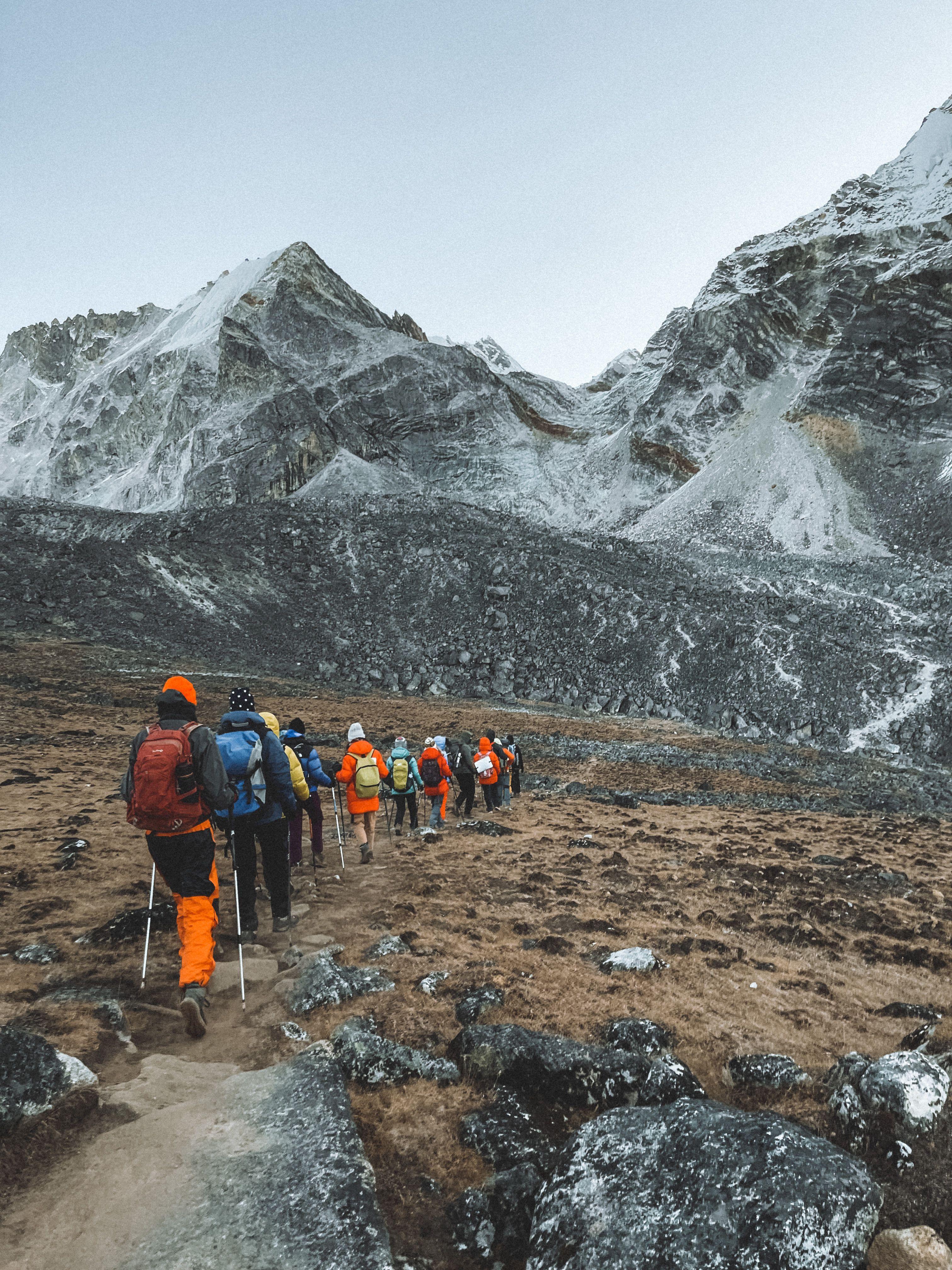
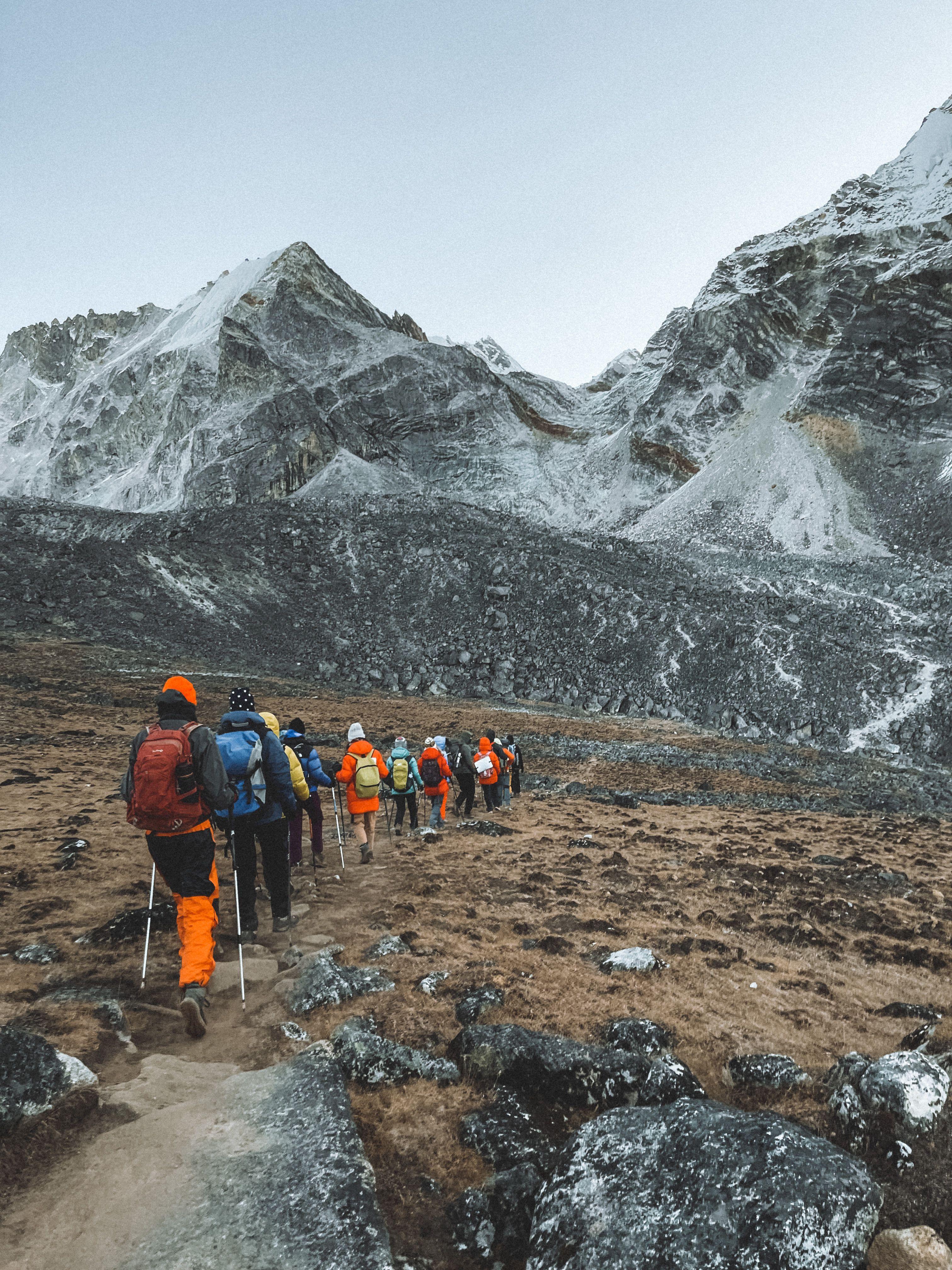
Most Nepal treks require zero technical skills. No ropes. No ice axes. No climbing experience.
You simply walk. Some days are long. Some climbs are steep. But it is walking, not climbing.
If you can hike for five hours a day, Nepal is open to you.
Sleeping in Teahouses
This is Nepal's secret weapon.
On popular trails, small family lodges line the route. These are called teahouses.
You get a simple bed, a hot meal, and often a wood stove in the dining room. You do not need to carry a tent or cook your own food.
Dal bhat is the classic trekking meal. Rice, lentil soup, and vegetables. Most places offer free refills, and you will want them.
The Numbers You Should Know
Nepal treks range from 4 days to over 25 days.
Short treks like Poon Hill cover about 45 kilometers and reach 3,210 meters.
Mid-length treks like Annapurna Base Camp cover roughly 110 kilometers and reach 4,130 meters.
Everest Base Camp runs about 130 kilometers and tops out at Kala Patthar, 5,545 meters.
Long routes like the Manaslu Circuit stretch 177 kilometers, crossing Larke Pass at 5,106 meters.
Most trekking days involve five to seven hours of walking.
Landscapes That Keep Changing
One trail can show you four different worlds.
You start in warm valleys with rice terraces and banana trees. Farmers wave from the fields.
Then you climb into rhododendron forests. In spring, the flowers blaze red and pink.
Higher up, the trees disappear. Brown rock and blue glaciers take over.
Finally you reach the high country, where the air is thin and the silence is total.
Culture You Can Actually Touch
Nepal trekking is not only about mountains. It is about people.
You pass Sherpa villages in the Everest region and Gurung villages in Annapurna. You meet Tamang, Rai, Limbu, and Magar communities along the way.
Monks chant in ancient monasteries. Prayer wheels spin at village entrances. Children shout "Namaste" and run alongside you.
Families invite you into smoky kitchens for tea. These moments often become the best memories of the whole trip.
Trekking With Nepal Social Treks and Expedition
A good team turns a hard walk into an easy joy.
Nepal Social Treks and Expedition organizes guided treks across the whole country. Their packages usually include licensed guides, porters, all permits and park fees, teahouse lodging, meals, and ground transport or domestic flights.
Their guides watch for altitude sickness and adjust the daily pace. They also handle paperwork, lodge bookings, and emergency planning.
The company offers Everest Base Camp, Annapurna Circuit, Annapurna Base Camp, Langtang Valley, Manaslu Circuit, and Mardi Himal. They also run peak climbing, rafting, and short city tours. Contact them for current dates and prices, since seasons and rules change.
Best Time to Trek
Autumn, from October to November, is the top season. Skies are clear and views are sharpest.
Spring, from March to May, is the second best. Forests bloom and days grow warm.
Winter is cold but quiet, and low-altitude treks still work well. Monsoon brings rain, clouds, and leeches on most trails.
Costs Are Surprisingly Fair
Nepal offers huge value compared to the Alps or North America.
Guided treks often cost far less per day than similar trips elsewhere. Food and lodging on the trail stay cheap.
You get world-class mountains without a luxury price tag.
What You Should Bring
Good boots matter more than anything else. Break them in before you travel.
Pack warm layers, a rain jacket, and a decent sleeping bag. Add a headlamp, water purification tablets, and sunscreen.
Carry cash, because ATMs disappear once you leave the towns.
Why It Changes People
Ask anyone who has trekked in Nepal what they remember.
Few talk about the distance or the altitude.
They talk about the morning light on a snow peak. The grandmother who refilled their tea. The quiet mountain path with no sound but their own footsteps.
Trekking in Nepal does not just show you the world's greatest mountains. It slows you down long enough to actually feel them.




 English
 French
 Spanish
 Portuguese
 Deutsch
 Turkish
 Dutch
Dutch
 Italiano
 Russian
 Romaian
 Portuguese (Brazil)
 Greek
Greek