


Importance of Generative AI in Automation for Business Growth
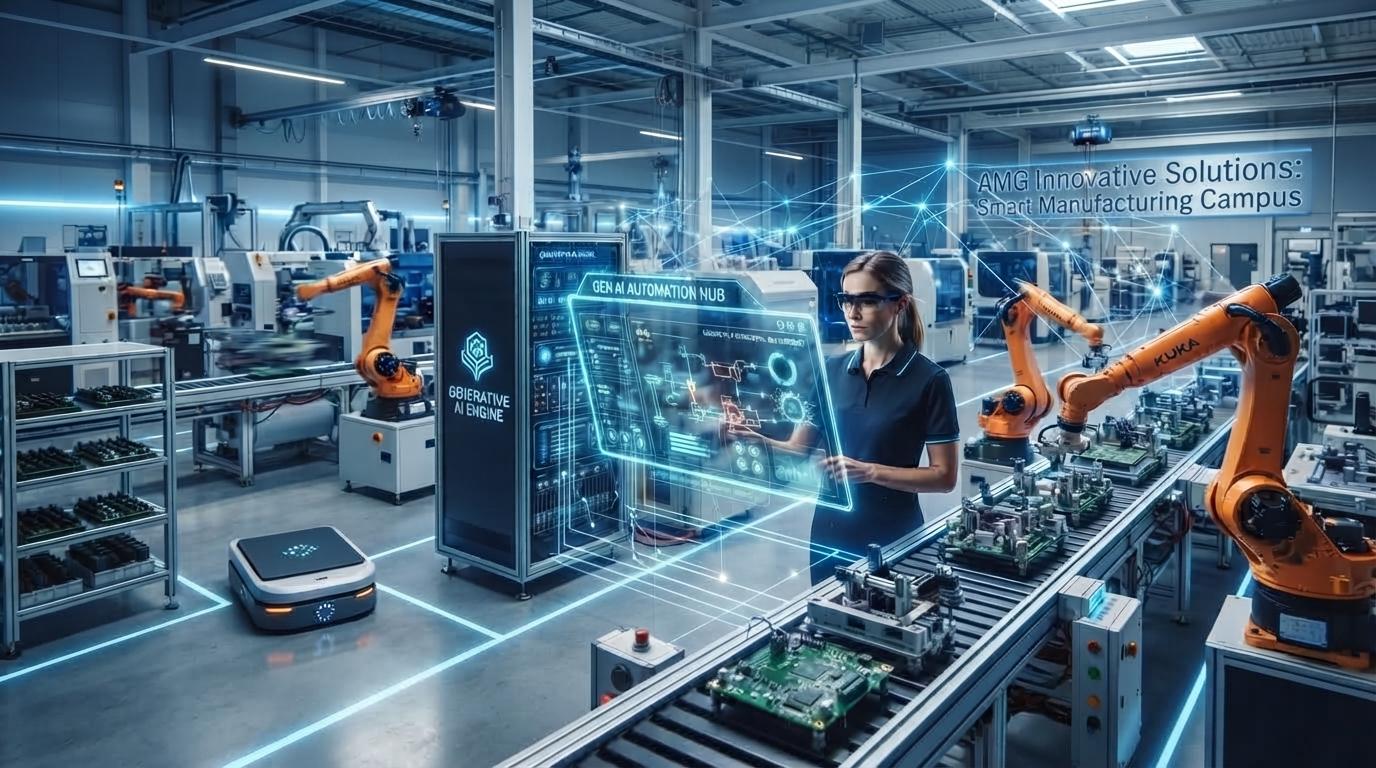
Businesses are looking for better ways to manage daily tasks, improve customer service, and reduce time spent on repetitive work. Generative AI has become an important technology because it can understand information, create content, summarize data, and support many business activities. When combined with automation, it can help organizations create faster and more flexible work processes.
The importance of Generative AI in Automation comes from its ability to handle tasks that traditional automation may find difficult. Traditional systems usually follow fixed rules, while generative AI can work with text, documents, questions, and other forms of information. This makes it useful for modern business processes.
What Makes Generative AI Important?
Generative AI is important because businesses deal with large amounts of information every day. Employees may need to read emails, prepare reports, answer questions, review documents, and enter data into different systems. Many of these tasks can take valuable time.
Generative AI can help automate parts of these activities. It can understand information and produce useful outputs based on the data it receives. When connected to automation tools, it can become part of a workflow that moves information from one step to another.
This allows employees to spend more time on work that requires creativity, communication, and human judgment.
Reducing Repetitive Work
One of the main reasons businesses use automation is to reduce repetitive work. Employees may perform the same tasks many times each day, such as writing similar emails, sorting documents, answering common questions, or creating basic reports.
Generative AI can support these tasks by creating drafts, summarizing information, and organizing content. Automation can then move the output to the next stage of a business process.
Reducing repetitive work does not mean removing people from every process. Instead, AI can handle selected tasks while employees review important information and manage more complex work.
Improving Employee Productivity
Employee time is valuable for every organization. When workers spend less time on simple tasks, they can focus on activities that have greater value.
Generative AI can help employees prepare documents, find information, summarize long content, and create initial drafts. These capabilities can make everyday work easier and faster.
For example, a customer service employee could use AI to summarize a long customer conversation before responding. A manager could use AI to create a short summary of a detailed report. These small improvements can save time across an organization.
Improving Customer Service
Customers expect fast and useful responses from businesses. Slow replies can create frustration and may affect the customer experience.
Generative AI can help automate customer support by understanding questions and creating responses. It can handle common requests and provide information based on approved business data. More complex cases can be sent to human employees.
This approach can help businesses provide support across different channels while allowing customer service teams to focus on cases that require human attention.
Importance in Healthcare
Healthcare organizations handle large amounts of patient and administrative information. Employees may spend significant time managing records, documents, appointment information, messages, and reports.
Healthcare AI automation can help with selected administrative and information-based tasks. Generative AI can summarize documents, prepare communication drafts, organize information, and support workflow management.
For example, an AI system may summarize a long document to make it easier for a healthcare professional to review. Human professionals should still check important information, especially when it may affect patient care.
Supporting AI for Digital Transformation
Digital transformation involves improving how an organization uses technology to operate and serve customers. It can include cloud migration, software modernization, data analytics, automation, and AI adoption.
AI for digital transformation can add intelligent features to these technology changes. Instead of only moving an existing process to a digital system, businesses can use AI to make the process more efficient and responsive.
Generative AI can support digital transformation by helping businesses automate communication, analyze information, improve employee tools, and create smarter customer experiences.
Faster Information Processing
Businesses receive information from emails, documents, forms, websites, applications, and customer conversations. Processing all this information manually can take a lot of time.
Generative AI can read and summarize large amounts of text quickly. When connected with automation, the processed information can be sent to the correct system or employee.
This can improve the flow of information within an organization. Employees can receive useful summaries instead of spending large amounts of time searching through long documents.
Supporting Better Business Decisions
Business decisions often depend on accurate and timely information. When important information is spread across different systems, it can be difficult for managers to understand the full picture.
Generative AI can help summarize business information and highlight important details. It can support employees by making large amounts of information easier to understand.
AI should not replace human decision-making in important areas. Instead, it can provide information that helps people review situations and make decisions with greater awareness.
Improving Business Communication
Communication is an important part of every organization. Employees send emails, prepare reports, create proposals, and communicate with customers every day.
Generative AI can help create first drafts and adjust content for different audiences. Automation can connect these AI capabilities with existing business systems.
This can make communication processes faster while still allowing employees to review and approve important messages before they are sent.
Supporting Healthcare Workflows
Healthcare organizations can use AI automation to improve selected workflows beyond simple administrative tasks. AI can help organize information, support communication, and reduce time spent on routine documentation.
Healthcare AI automation should always include proper privacy and security controls. Patient information is sensitive, so organizations need strong access rules and careful data management.
The goal should be to support healthcare professionals rather than remove necessary human oversight. AI can assist with routine work while professionals remain responsible for important decisions.
Improving Business Scalability
As businesses grow, their workload usually grows as well. More customers can mean more messages, documents, support requests, and data.
Generative AI can help businesses manage higher workloads by automating selected tasks. This can allow organizations to handle more work without increasing manual effort at the same rate.
Scalability is especially useful for businesses that experience seasonal demand or rapid growth. Automated systems can help manage changing workloads while employees focus on more important activities.
Supporting Modern Digital Workflows
Modern businesses often use many software systems for sales, customer service, finance, human resources, and operations. Moving information between these systems can sometimes require manual work.
Generative AI can become part of connected digital workflows. It can understand information from one step and help create an output for another step.
This can make business processes more connected. When combined with AI for digital transformation, these workflows can help organizations improve the way technology supports their daily operations.
Security and Human Oversight
The importance of Generative AI in Automation also comes with the need for responsible use. Businesses must protect sensitive information and control what AI systems can access.
Companies should use proper access controls, data protection, monitoring, and human review. AI-generated information may not always be correct, so important outputs should be checked before they are used.
In areas such as healthcare, financial services, and legal work, human oversight is especially important. AI should support professional judgment rather than replace it where accuracy and responsibility are critical.
Future of Generative AI in Automation
Generative AI is expected to become more connected with business software and automation tools. Future systems may handle more steps in complex workflows while people continue to supervise important processes.
Businesses may use AI to connect customer service, analytics, enterprise software, cloud systems, and internal knowledge. This can create smarter workflows that respond to information more quickly.
AI for digital transformation will likely remain an important part of business technology planning as organizations look for new ways to improve efficiency and customer experiences.
Conclusion
The importance of Generative AI in Automation comes from its ability to combine intelligent content creation with automated business processes. It can reduce repetitive work, improve productivity, support customer service, process information, and help businesses manage growing workloads.
Healthcare AI automation can support selected administrative and information-based tasks, while AI for digital transformation can help organizations improve wider digital processes. However, successful adoption requires strong security, accurate data, human oversight, and clear business goals.
When used responsibly, Generative AI can become a valuable part of modern automation. It can help businesses work more efficiently while giving employees more time to focus on creative, strategic, and human-centered tasks.
More Info: Amg Innovative

 Arabic
 French
 Spanish
 Portuguese
 Deutsch
 Turkish
 Dutch
Dutch
 Italiano
 Russian
 Romaian
 Portuguese (Brazil)
 Greek
Greek