


What Makes Dog Treats for Puppies a Good Training Reward?
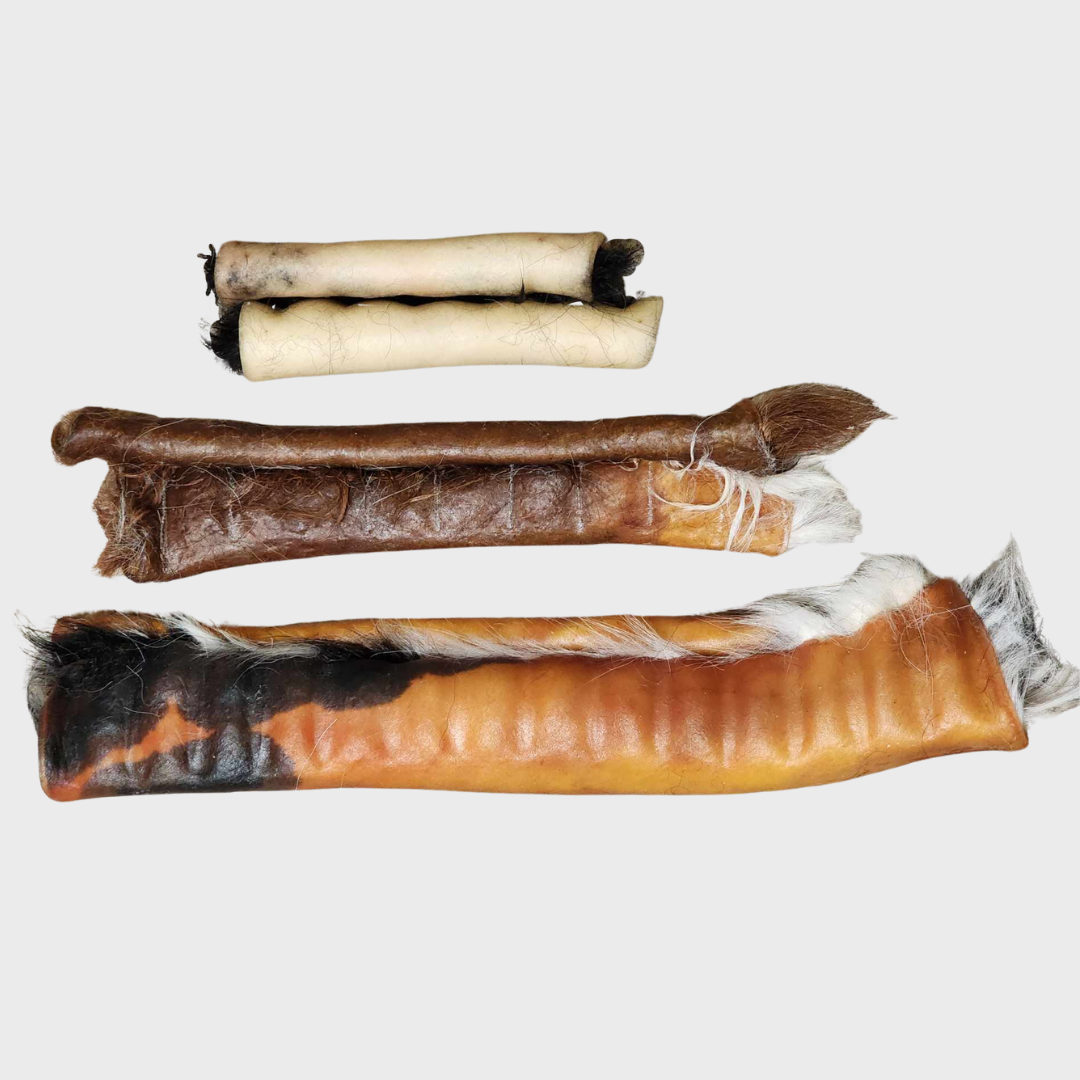
Training a puppy takes time, consistency, patience, and plenty of positive reinforcement. Young dogs are naturally curious, but they are still learning how to respond to commands, interact with people, and behave in different situations. A small reward can help make training sessions more engaging and encourage a puppy to repeat a desired behavior.
Dog treats for puppies can be useful training rewards when they are suitable for a puppy's age, size, chewing ability, and dietary needs. The right treat can help create a positive connection between good behavior and a tasty reward while keeping training sessions enjoyable.
Why Treats Work During Puppy Training
Puppies learn through repetition and association. When a puppy performs a desired behavior and receives a reward, the experience can encourage the puppy to repeat that behavior.
For example, a puppy learning to sit can receive a small treat immediately after sitting. With consistent practice, the puppy can begin to connect the command with the action and the reward.
Treats are not the only form of positive reinforcement. Praise, affection, toys, and playtime can also be useful. However, food rewards can be especially helpful during the early stages of training because many puppies are naturally interested in food.
What Makes a Good Puppy Training Treat?
Not every dog treat is suitable for puppy training. The size, texture, ingredients, and calorie content all matter.
A good training treat should generally be small enough for a puppy to eat quickly. If the puppy spends too much time chewing a reward, the training session may lose its flow.
Soft or easily manageable treats can be practical for some training situations, while appropriate chew products may work better when the goal is longer-lasting enjoyment.
Pet parents should always select treats based on the puppy's age and individual needs.
Small Treats Can Support Frequent Rewards
Puppy training often involves many repetitions. A puppy may need several rewards while learning a new command.
Using small pieces can help reduce the amount of food consumed during training. If a larger treat is available, breaking it into smaller portions may make it easier to reward the puppy several times.
This is particularly useful when teaching behaviors such as sitting, staying, coming when called, waiting at the door, or walking calmly on a leash.
Treats should still be included as part of the puppy's overall daily food intake.
Ingredients Matter
Pet parents may also pay attention to what goes into their puppy's treats. Simple, recognizable ingredients can make it easier to understand what a puppy is eating.
When choosing dog treats for puppies, check the ingredient list and product information. Consider whether the treat is suitable for the puppy's age and whether there are any ingredients that should be avoided because of allergies or dietary restrictions.
A natural ingredient does not automatically mean a treat is appropriate for every puppy. Individual tolerance and nutritional needs should always be considered.
Treat Timing Is Important
Timing can make a major difference during training. The reward should be given soon after the puppy performs the desired action.
For example, if you are teaching a puppy to sit, give the treat shortly after the puppy sits. This helps the puppy associate the reward with the specific behavior.
Waiting too long may make it harder for the puppy to understand what earned the reward.
As the puppy becomes more familiar with a command, rewards can gradually become less frequent. Praise and other forms of positive reinforcement can then play a larger role.
Avoid Overfeeding During Training
Puppies have small bodies and specific nutritional needs. Giving too many treats throughout the day can add extra calories to their diet.
One way to manage this is to keep training treats very small. Another option is to set aside a portion of the puppy's regular food and use some of it as a training reward.
The goal is to make treats part of a balanced feeding routine rather than an additional source of excessive calories.
If you are unsure how many treats are appropriate for your puppy, a veterinarian can provide guidance based on the puppy's age, size, activity level, and diet.
Consider Your Puppy’s Size
A treat that works for a large puppy may be too big for a smaller breed. Puppies also have developing teeth and different chewing abilities.
Choosing an appropriately sized treat can make training safer and more comfortable. Always supervise your puppy while eating treats or chewing on products.
Long-lasting chews should be selected according to the puppy's age, size, and chewing habits. If a chew becomes small enough to swallow whole, it should be removed.
Ugly Chews and Thoughtful Treat Choices
Ugly Chews began with a goal of reducing waste in rural communities and developed into a mission focused on sustainable dog treats and chews.
The brand uses thoughtfully sourced ingredients and creates products designed around quality, safety, and enjoyable chewing. Its approach also focuses on putting useful materials to work rather than allowing them to go to waste.
For pet parents considering dog treats for puppies, Ugly Chews provides options that can fit into a broader approach to responsible pet care. As with any treat, it is important to check product information and make sure the specific option is suitable for the puppy.
Use Different Rewards During Training
Food treats can be effective, but puppies do not need to receive a treat after every successful behavior forever.
As training progresses, pet parents can introduce other rewards such as verbal praise, petting, toys, or a short play session. This can help prevent the puppy from becoming dependent on food for every response.
For new behaviors, however, frequent rewards can help maintain attention and encourage repetition.
Final Thoughts
Dog treats for puppies can be useful training rewards because they provide an immediate and enjoyable form of positive reinforcement. When used correctly, they can help puppies connect good behavior with a positive experience.
The key is to choose treats that match the puppy's age, size, chewing ability, and dietary needs. Small portions, appropriate ingredients, good timing, and supervision can all contribute to a safer training routine.
Ugly Chews combines thoughtfully sourced ingredients with a focus on sustainable dog treats and chews. For pet parents building a training routine, choosing suitable treats while keeping overall nutrition and portion sizes in mind can make training sessions more enjoyable for both puppies and their families.

 Arabic
 French
 Spanish
 Portuguese
 Deutsch
 Turkish
 Dutch
Dutch
 Italiano
 Russian
 Romaian
 Portuguese (Brazil)
 Greek
Greek