


How Does Migraine Relief Oil Work for Headache Discomfort?
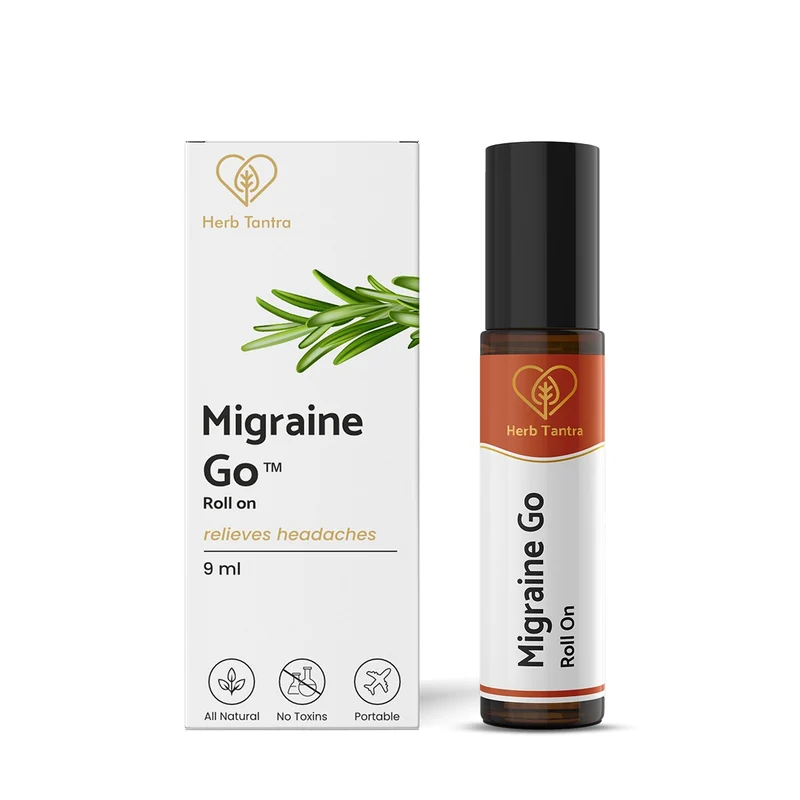
Migraine can make everyday activities difficult, especially when head pain is accompanied by sensitivity to light, sound, nausea, or neck discomfort. While migraine treatment varies from person to person, many people also look for simple self-care options that can be used alongside their regular approach.
One option that has gained attention is topical oil. But does applying oil to the temples, forehead, or neck really help? Understanding the potential migraine oil uses can help you decide where it may fit into your personal wellness routine.
What Is Migraine Relief Oil?
Migraine relief oil generally refers to a topical oil or blend of oils that is massaged onto areas such as the temples, forehead, neck, or shoulders. Depending on the formulation, it may contain botanical oils or aromatic ingredients traditionally used for their cooling, soothing, or relaxing qualities.
The purpose is not necessarily to replace medical migraine treatment. Instead, topical application may be used as part of a relaxing self-care routine. The Migraine Trust notes that some people find massage, relaxation methods, and essential oils helpful during an attack, although evidence for these approaches is limited and results can vary.
Understanding Migraine Oil Uses
There are several ways people incorporate topical oils into their routine. Common migraine oil uses include gently massaging a small amount onto the temples, forehead, or back of the neck when tension or discomfort begins.
The massage itself may provide a calming sensation, particularly when neck or muscle tension is present. Some people also prefer using an oil as part of a quiet relaxation routine in a dark or comfortable environment.
However, it is important to keep expectations realistic. Migraine is a neurological condition, and topical oils should not be considered a guaranteed treatment or cure.
Can Migraine Relief Oil Provide Instant Relief?
The idea of instant relief can be appealing when a headache begins, but there is no guarantee that a topical oil will stop a migraine immediately. Migraine attacks can involve several symptoms and may require an appropriate acute treatment plan.
According to the Migraine Trust, acute migraine medicines are specifically intended to reduce symptoms during an attack, while complementary approaches such as relaxation and massage may be useful for some people.
Therefore, migraine relief oil may be better viewed as a complementary self-care option rather than a substitute for evidence-based migraine treatment.
How to Use a Topical Oil Comfortably
If you choose to include migraine relief oil in your routine, use it according to the product's directions. Apply only the recommended amount and gently massage the intended area rather than rubbing aggressively.
Avoid contact with the eyes and other sensitive areas. If the product contains essential oils or botanical ingredients, check the label for precautions and discontinue use if irritation occurs.
It is also useful to observe your own response. Keeping track of your migraine attacks, triggers, symptoms, and self-care methods can help you understand which approaches are actually helpful for you.
Other Factors That May Support Migraine Management
Topical products are only one part of a broader migraine-management routine. Regular sleep, hydration, relaxation techniques, and identifying personal triggers may also be useful. For people who experience frequent or severe attacks, professional guidance is important because migraine treatment can include both acute and preventive options.
The American Migraine Foundation also emphasizes that complementary approaches do not have the same level of evidence as many established migraine treatments, so discussing treatment changes with a healthcare professional is recommended.
When Should You Seek Medical Advice?
Do not rely only on topical products if your headaches are becoming more frequent, severe, or different from your usual pattern. A sudden, extremely severe headache that reaches maximum intensity quickly requires urgent medical attention.
Likewise, if your current migraine treatments are not providing enough relief or you frequently need acute medicines, speak with a healthcare professional about your options.
Conclusion
Understanding migraine oil uses can help you decide whether a topical oil fits into your personal self-care routine. A gentle application combined with massage and relaxation may feel soothing for some people, but it should not be presented as an instant cure for migraine.
If you are considering migraine relief oil, follow the product instructions, pay attention to how your body responds, and continue to use appropriate medical care when needed. A balanced approach can help you manage migraine symptoms while keeping expectations realistic.
A cervical roll-on can be incorporated into a targeted neck-care routine, particularly when everyday activities leave the neck feeling tense or uncomfortable.
Calm Down® Roll-On can complement a relaxing self-care routine when you want a convenient topical option for moments of everyday tension and discomfort.

 English
 Arabic
 French
 Spanish
 Portuguese
 Turkish
 Dutch
Dutch
 Italiano
 Russian
 Romaian
 Portuguese (Brazil)
 Greek
Greek