


How to Choose Polypropylene Rope for Outdoor and Industrial Use
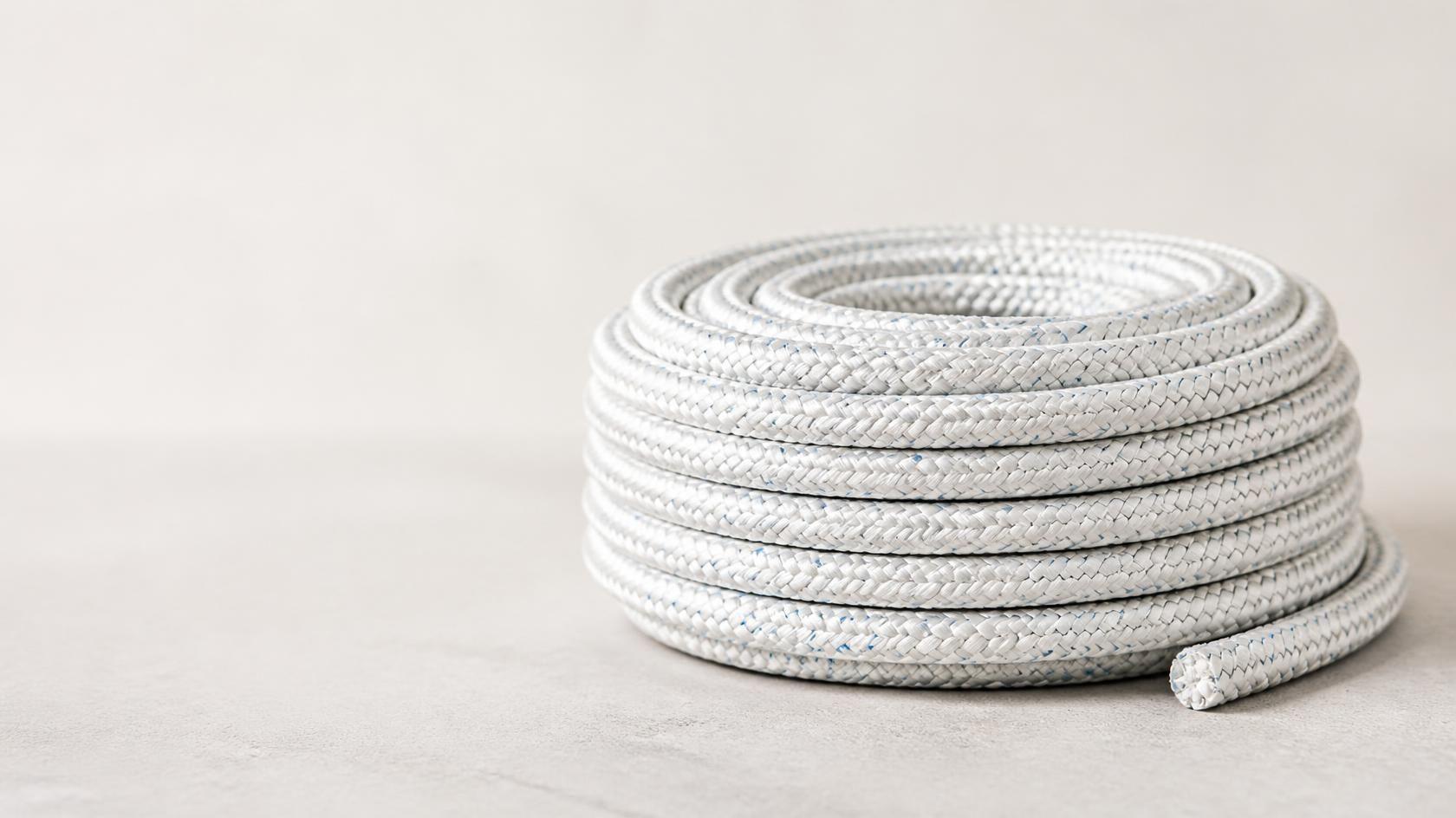
When selecting a rope for outdoor applications, material handling, marine work, construction, or general industrial operations, choosing the right material is essential. Polypropylene rope is widely used because it is lightweight, resistant to moisture, and suitable for many demanding environments. However, not every polypropylene rope is designed for the same application.
For businesses using lifting equipment in the UAE, factors such as load requirements, rope construction, environmental exposure, durability, and handling should be considered before purchasing. This guide explains the key factors to help you select the right polypropylene rope for your application.
Why Choose Polypropylene Rope?
Polypropylene is a synthetic material known for its low density and water resistance. One of its biggest advantages is that it can float, making it useful for marine, boating, and water-related applications.
Other benefits include:
-
Lightweight and easy to handle
-
Resistant to moisture and many chemicals
-
Suitable for outdoor applications
-
Floats on water
-
Generally economical compared with some other synthetic ropes
-
Available in different diameters and constructions
These characteristics make polypropylene rope useful across construction, agriculture, marine operations, transportation, and general industrial applications.
1. Consider the Intended Application
The first step is identifying exactly how the rope will be used. A rope for securing materials outdoors may have different requirements from one used with industrial equipment.
For example, polypropylene rope may be suitable for:
-
General-purpose tying and securing
-
Marine and boating applications
-
Temporary barriers and cordons
-
Agricultural applications
-
Construction-site utility work
-
Material handling and general-purpose industrial use
If the rope will be used for lifting people or heavy loads, do not select it solely because it is polypropylene. Always verify that the rope is specifically rated and certified for the intended lifting application and is compatible with the lifting equipment being used.
2. Check Rope Diameter and Strength
Rope diameter directly affects its strength, handling, and suitability for different jobs. A thicker rope generally provides greater load capacity, but selecting the largest available diameter is not necessarily the right approach.
Check the manufacturer's specifications for:
-
Minimum breaking load
-
Safe working load where applicable
-
Rope diameter
-
Construction type
-
Recommended applications
Never confuse breaking strength with safe working load. The appropriate working load depends on the application, rope condition, configuration, and manufacturer's instructions.
3. Select the Right Rope Construction
Polypropylene ropes are available in different constructions, including twisted and braided designs.
Twisted ropes are commonly used for general-purpose applications and can be relatively easy to splice.
Braided ropes can provide a smoother handling experience and may be preferred where flexibility and abrasion resistance are important.
The best construction depends on how frequently the rope will be handled and the type of equipment or attachment used with it.
4. Consider UAE Outdoor Conditions
The UAE's hot, sunny, and dusty environment can place additional demands on outdoor equipment. Prolonged exposure to sunlight can contribute to degradation of synthetic materials.
When using polypropylene rope outdoors, consider:
-
UV exposure
-
High temperatures
-
Sand and dust
-
Moisture or saltwater exposure
-
Abrasion against surfaces
-
Frequency of use
For long-term outdoor applications, ask the supplier about the rope's UV resistance and recommended service conditions.
5. Inspect Before Every Important Use
Even a correctly selected rope can become unsafe if it is damaged or excessively worn. Before use, inspect the rope for visible cuts, abrasion, melted or fused sections, unusual stiffness, chemical damage, or significant deformation.
Ropes used with lifting equipment should be inspected according to the applicable manufacturer's instructions, workplace procedures, and relevant UAE safety requirements.
Replacing damaged rope is generally safer than continuing to use equipment simply because it has not yet reached its theoretical breaking point.
6. Buy From a Reliable UAE Supplier
Choosing a reputable supplier helps ensure that you receive rope with clearly stated specifications and appropriate documentation. Ask about the material, construction, diameter, strength characteristics, application suitability, and available compliance documentation.
A knowledgeable lifting equipment supplier in the UAE can also help you determine whether polypropylene rope is appropriate for your specific operation or whether another rope material would be more suitable.
Conclusion
Choosing the right polypropylene rope involves more than selecting a diameter or comparing prices. Consider the intended application, rope construction, strength requirements, environmental conditions, and inspection requirements before making a purchase.
For industrial and lifting applications in the UAE, always match the rope to the manufacturer's specifications and the requirements of the equipment. If you need help selecting polypropylene rope for your operation, contact a trusted UAE lifting equipment supplier to discuss your application and obtain the appropriate specifications.
FAQs
1. What is polypropylene rope commonly used for?
Polypropylene rope is commonly used for marine applications, general-purpose securing, agriculture, construction, barriers, and various outdoor and industrial applications.
2. Is polypropylene rope suitable for lifting?
It can be used for specific applications when the rope is explicitly designed, rated, and certified for lifting. Never assume that a general-purpose polypropylene rope is suitable for lifting heavy loads.
3. Is polypropylene rope suitable for outdoor use in the UAE?
Yes, polypropylene rope can be suitable for outdoor use, but prolonged UV exposure and high temperatures should be considered. Select a product designed for the intended environmental conditions.
4. How do I choose the correct polypropylene rope?
Consider the application, diameter, construction, rated strength, environmental exposure, and manufacturer's recommendations. For lifting applications, also verify the required certification and safe working load.

 English
 Arabic
 Spanish
 Portuguese
 Deutsch
 Turkish
 Dutch
Dutch
 Italiano
 Russian
 Romaian
 Portuguese (Brazil)
 Greek
Greek