


Alopecia Areata Treatment for Understanding Hair Loss and Regrowth
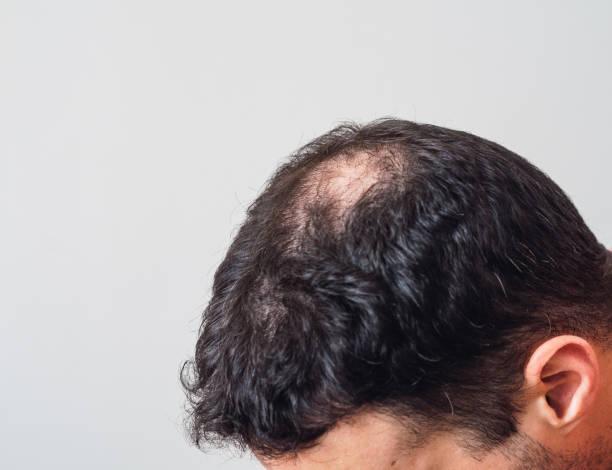
Hair loss can appear unexpectedly and affect more than just appearance, particularly when smooth, round patches develop on the scalp or other areas. Alopecia areata is an autoimmune condition in which the immune system mistakenly targets hair follicles, interrupting normal hair growth. Understanding the cause and available Alopecia Areata Treatment in Riyadh can help individuals recognize changes early and explore suitable options for supporting regrowth.
Understanding Alopecia Areata
Alopecia areata can affect people of different ages and may develop suddenly, with hair loss ranging from small patches to more extensive areas. Unlike some forms of progressive hair thinning, the affected skin may remain smooth and without visible scarring. The condition can also involve eyebrows, eyelashes, beard areas, or other body hair, making professional assessment important when unusual hair loss appears.
Common Signs to Recognize
The most noticeable sign is often one or more clearly defined patches of hair loss. Some people may notice increased shedding, short broken hairs around affected areas, or changes in nail texture. Hair loss can remain limited or develop in additional areas, and its pattern can vary considerably from person to person.
Why Hair Loss Happens
Alopecia areata is associated with an abnormal immune response around hair follicles. Although the exact trigger is not always identifiable, factors such as genetic susceptibility and certain environmental influences may contribute. Stress is sometimes reported around the time hair loss develops, but it should not automatically be considered the sole cause.
How Diagnosis Supports Treatment Planning
Accurate diagnosis is an important first step because several other conditions can produce patchy or diffuse hair loss. A specialist may examine the scalp and hair closely, review the pattern and progression of shedding, and consider medical history. In some situations, additional testing may help distinguish alopecia areata from infections, inflammatory scalp conditions, or other types of hair loss.
Assessing the Hair and Scalp
During an evaluation, the clinician may look for characteristic patterns, changes in individual hairs, and signs of inflammation or scarring. This assessment helps determine whether the follicles remain capable of producing new hair and whether further investigation is appropriate.
Treatment Approaches for Hair Regrowth
Treatment depends on factors such as the extent of hair loss, affected areas, duration, age, and previous response to treatment. Depending on the individual situation, dermatologists may consider topical or injected corticosteroids, other prescription therapies, or newer targeted medicines. Observation may also be appropriate for limited cases because spontaneous regrowth can occur in some people.
Supporting the Regrowth Process
Hair regrowth does not always occur at the same pace across affected areas. New hairs may initially appear fine, light, or different in texture before gradually becoming more pigmented and thicker. Following the recommended treatment plan and attending appropriate follow-up appointments can help monitor changes and determine whether adjustments are needed.
What to Expect During Treatment
People often want to know whether treatment will immediately restore lost hair. In reality, response varies, and regrowth may take time because hair follicles need to re-enter an active growth phase. During follow-up, clinicians can assess changes in patch size, new hair development, and any additional areas of hair loss. This ongoing evaluation makes treatment more responsive to individual needs.
Can Alopecia Areata Return?
Alopecia areata can have an unpredictable course. Hair may regrow and remain stable, while some individuals experience additional episodes of hair loss later. Even after visible improvement, monitoring new patches or unusual shedding can help identify changes promptly.
Maintaining Confidence During Hair Loss
Visible hair loss can affect confidence and everyday social experiences. Understanding that alopecia areata is a recognized medical condition can help reduce confusion and encourage appropriate professional support. Gentle hair care, protection of exposed scalp areas from excessive sun exposure, and avoiding unnecessary harsh treatments may also help maintain scalp comfort while regrowth is being addressed.
Book an Appointment
If you are experiencing sudden patchy hair loss or want to understand your available treatment options, a professional consultation can provide a clearer direction. At Royal Clinic Saudi, specialists can assess your hair-loss pattern and discuss an individualized approach based on your condition, goals, and clinical needs.
FAQs:
What causes alopecia areata?
Alopecia areata occurs when the immune system mistakenly attacks hair follicles, disrupting normal hair growth.
Can hair grow back after alopecia areata?
Yes, hair can regrow naturally or with treatment, although the timing and extent of regrowth vary between individuals.
Does alopecia areata only affect the scalp?
No. It can also affect eyebrows, eyelashes, beard areas, and other body hair.
How long does hair regrowth take?
Regrowth varies depending on the individual and the extent of hair loss, and noticeable improvement may require time and ongoing monitoring.

 English
 Arabic
 French
 Spanish
 Portuguese
 Deutsch
 Turkish
 Dutch
 Russian
 Romaian
 Portuguese (Brazil)
 Greek