


How Scrap Metal Recycling Supports a Circular Economy on the Gold Coast
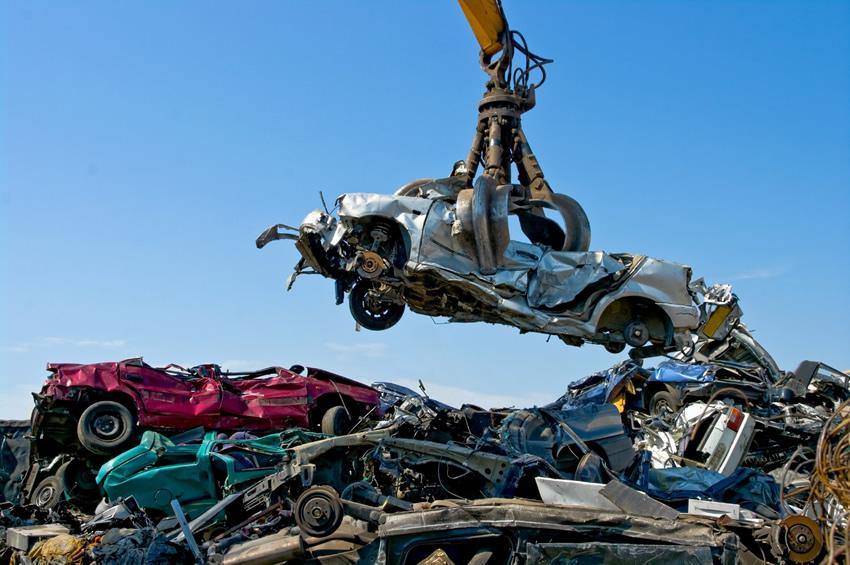
A circular economy is a way of using materials for as long as possible instead of treating them as waste after one use. It focuses on keeping products and materials in use through repair, reuse, recovery and recycling. Scrap metal fits well into this model because metals can be collected, processed and used again in manufacturing.
On the Gold Coast, scrap metal recycling can help reduce the amount of material sent to landfill while keeping useful metals within the wider economy. This matters because metal is used in many parts of daily life, including vehicles, buildings, machinery, appliances, fencing and construction materials.
Queensland is also moving towards a more circular waste system. The Queensland Government's current waste strategy aims to increase recycling, reduce waste sent to landfill and build stronger markets for recycled materials. The state aims to reach an overall recycling rate of 65 per cent by 2035.
What Is a Circular Economy?
A circular economy changes the way materials are managed.
In a traditional system, raw materials are taken from the ground, turned into products, used and then discarded. This is often called a linear model because materials move in one direction.
A circular economy tries to keep those materials in use.
For metal, the process can look like this:
Raw material → manufacturing → product use → scrap metal → collection → sorting → processing → new metal products
The final step brings the material back into the economy.
This approach means an old metal item does not have to become the end of the material's useful life. Once recovered, the metal can become part of another product.
Queensland legislation now includes the circular economy principle as a key policy principle. It supports keeping products and materials in the economy while they remain useful or retain value.
Why Metal Is Important in a Circular Economy
Metal has a major role in recycling because it can be recovered from many types of discarded products.
Common scrap metals include steel, iron, aluminium, copper, brass, stainless steel and lead. These materials are found in cars, machinery, building materials, electrical equipment, appliances, pipes and many other products.
National waste data shows how important metal recovery is in Australia. In 2024–25, Australia generated about 5.9 million tonnes of metal waste. Around 5.3 million tonnes were recovered, giving metal waste a recovery rate of about 89 per cent.
These figures show that metal already has a strong role in Australia's resource recovery system.
Scrap Metal Recycling Keeps Materials in Use
The main idea behind a circular economy is to keep materials in use rather than send them to landfill.
Scrap metal recycling does this by giving discarded metal another role.
For example, an old steel item may no longer have a use in its original form. Once collected and processed, the steel can become raw material for another manufacturing process.
The same principle applies to other metals. Copper from old products can be recovered for use in new products. Aluminium can be separated and processed for another manufacturing cycle. Steel from vehicles and other items can also return to metal production.
This creates a link between old products and new products.
The material does not simply disappear when an item reaches the end of its first use. It can continue moving through the economy.
For more information about responsible vehicle recycling on the Gold Coast, visit https://adrians.com.au/auto-wrecking-gold-coast/
Scrap Metal Recycling and Landfill Reduction
Landfill space is limited. Sending recoverable materials to landfill also means losing materials that could have been used again.
Queensland's current waste strategy places a strong focus on reducing waste sent to landfill. The state aims to cut waste going to landfill by 2.6 million tonnes by 2035.
Scrap metal recovery can support this goal because metal is a material that can often be separated from general waste and sent for recycling.
When metal is removed from a waste stream, less material needs to be buried.
This also changes how waste is viewed. Instead of seeing an old metal item only as rubbish, it can be treated as a resource that still has a role in the production cycle.
How Scrap Metal Moves Through the Recycling Cycle
Scrap metal recycling involves several stages.
Collection
The first stage is collecting unwanted metal items.
Scrap can come from homes, workshops, businesses, construction sites, vehicle dismantling and industrial activities.
The type and condition of the material can vary. Some items may contain several different materials, so they need to be sorted before processing.
Sorting
After collection, scrap metal is sorted into different material groups.
Ferrous metals contain iron. Steel and iron are common examples.
Non-ferrous metals do not contain iron as their main component. Aluminium, copper and brass are examples.
Separating these materials helps recyclers send each type into the correct processing stream.
Processing
The sorted metal is prepared for recycling.
Depending on the material, this can involve cutting, shredding, compacting or other forms of processing. Unwanted materials may also be removed.
The aim is to prepare the recovered metal for the next stage of its life.
Reprocessing
Processed scrap metal can then enter manufacturing supply chains.
The recovered material can be used as an input for new metal products and other manufactured goods.
This is where scrap metal recycling connects directly with the circular economy. The material moves from an unwanted item back into productive use.
The Role of Scrap Metal Recycling on the Gold Coast
The Gold Coast is a growing urban area with homes, businesses, construction activity, workshops, vehicles and many other sources of metal waste.
Each of these areas can produce scrap metal.
Old vehicles can contain steel, aluminium, copper and other metals. Building and renovation work can produce metal offcuts, pipes, frames and other materials. Businesses may also have old machinery, equipment and metal items that are no longer required.
Separating these materials from general waste creates an opportunity for recovery.
This is important because recycling does not work only at the processing stage. The cycle begins when people and businesses identify materials that can be recovered and send them into the correct recycling stream.
How Scrap Metal Recycling Supports Local Resource Recovery
A circular economy needs more than recycling bins and collection points. It also needs businesses and industries that can collect, sort, process and move recovered materials into new supply chains.
Queensland's waste strategy recognises this need. The state is investing in recycling infrastructure and aims to create stronger markets for recycled materials. The strategy also links resource recovery with jobs and economic activity.
This creates an important connection between waste management and the wider economy.
When scrap metal is recovered, the material can be collected from waste sources, sorted into suitable groups, processed and sent into recycling markets. Manufacturers can then use recycled material in new products. Jobs are also supported across collection, processing and manufacturing.
The result is a system where discarded materials can continue to have an economic role.
Scrap Metal Recycling Gold Coast and the Circular Economy
For people and businesses with unwanted metal on the Gold Coast, choosing a scrap metal recycler Gold Coast service from ADRIAN'S Metal Recyclers can form part of this cycle by directing suitable scrap away from general disposal and towards metal recovery. This connects the local action of clearing unwanted metal with the wider circular economy because the material can be sorted, processed and sent into recycling channels instead of being treated only as waste.
Reducing the Need for New Raw Materials
Metal recycling also supports the idea of using resources more carefully.
Mining provides many of the raw materials used to make metals. A circular economy does not mean that mining will stop, but keeping existing materials in circulation can reduce the need to treat every new product as a completely new material stream.
When recovered metal enters manufacturing again, the material already present in the economy gets another use.
This is one reason metal recovery is important for a circular economy. The focus is not only on getting rid of waste. It is also on keeping existing resources in circulation.
Recycling Creates Demand for Recovered Materials
A circular economy needs buyers and users for recycled materials.
Collecting scrap metal is only one part of the process. Recovered metal must have a place in recycling and manufacturing markets.
The Queensland Government has identified strong end markets as an important part of its waste strategy. The state notes that recycling infrastructure alone is not enough. There must also be demand for recycled materials in areas such as manufacturing and construction.
This means the circular economy depends on a complete chain.
If scrap is collected but there is no market for the recovered material, the cycle cannot work as intended.
Strong recycling markets help connect collection with manufacturing.
The Link Between Businesses and the Circular Economy
Businesses on the Gold Coast can play a direct role in keeping metal within the resource cycle.
Workshops may produce old parts and metal offcuts. Construction businesses may have leftover steel and aluminium. Property maintenance work can create unwanted metal fixtures. Vehicle-related businesses can produce large amounts of metal from damaged and end-of-life vehicles.
Separating these materials from general waste can make recovery possible.
Businesses can also look at how they store scrap, separate different metals and work with recycling services. These actions can improve the quality of the material entering the recycling chain.
Why Proper Metal Separation Matters
Different metals have different properties and recycling routes.
Mixing all materials together can make sorting more difficult. Items may also contain non-metal parts that need to be separated before the metal can be processed.
For this reason, proper sorting has an important place in resource recovery.
Ferrous and non-ferrous metals are commonly handled as separate material groups. Some products may also contain several types of metal, plastics, rubber, glass or electronic parts.
Good separation helps recover more of the material and reduces contamination in recycling streams.
Scrap Metal Recycling Is Part of a Larger System
It is important to understand that scrap metal recycling is one part of the circular economy rather than the entire system.
A circular economy also includes product design, repair, reuse, remanufacturing, resource recovery and recycling.
Recycling becomes important when a product or material can no longer remain in its original use.
For example, repairing a metal item may keep it in use without recycling it. Reusing a component can also delay the need for a new product. When neither option is practical, recycling can recover the material.
This creates different stages of resource use instead of sending an item directly from use to landfill.
Queensland's Direction Towards a Circular Economy
Queensland is placing greater attention on waste reduction, recycling and resource recovery.
The current Queensland Waste Strategy aims to achieve a 65 per cent overall recycling rate by 2035. It also sets targets for different waste streams and focuses on reducing the amount of waste sent to landfill.
The strategy also states that Queensland produces nearly 10 million tonnes of waste each year and that the recycling and resource recovery industries support about 12,000 jobs and contribute around $1.5 billion to the Queensland economy each year.
These figures show that recycling is not only an environmental issue. It is also connected to employment, industry, infrastructure and economic activity.
What This Means for the Gold Coast
For the Gold Coast, a stronger circular economy means looking at waste as a source of materials.
Scrap metal is a clear example.
An old vehicle, unused machinery, metal fencing or discarded equipment may no longer serve its original purpose. However, the metal within those items can still have a role.
When that material is recovered and returned to recycling markets, the life of the material continues.
This is the basic idea behind a circular economy: keep materials moving through the economy for as long as they can be used.
The Future of Scrap Metal Recycling
The future of recycling depends on strong collection systems, suitable processing facilities, demand for recovered materials and participation from households and businesses.
Queensland's waste strategy calls for investment in modern recycling infrastructure and stronger markets for recycled materials. The state also identifies recycling and resource recovery as areas that can support employment and regional economic activity.
As these systems develop, scrap metal can continue to play an important role.
The Gold Coast can contribute to this wider process whenever unwanted metal is separated from general waste and directed towards recovery.
Conclusion
Scrap metal recycling supports the circular economy on the Gold Coast by keeping useful materials in circulation.
Instead of sending old metal directly to landfill, recycling allows it to be collected, sorted, processed and returned to the production cycle. This reduces the amount of recoverable material going to landfill and supports the wider market for recycled resources.
Australia already recovers a large share of its metal waste, with an estimated 89 per cent recovery rate in 2024–25. Queensland is also working towards higher recycling rates and lower landfill use through its 2035 waste strategy.
For the Gold Coast, scrap metal recovery is therefore more than a waste disposal activity. It is one practical part of a wider system that aims to keep materials in use, reduce waste and support a circular economy.

 English
 Arabic
 French
 Portuguese
 Deutsch
 Turkish
 Dutch
Dutch
 Italiano
 Russian
 Romaian
 Portuguese (Brazil)
 Greek
Greek