


How Brisbane Manages End-of-Life Vehicles
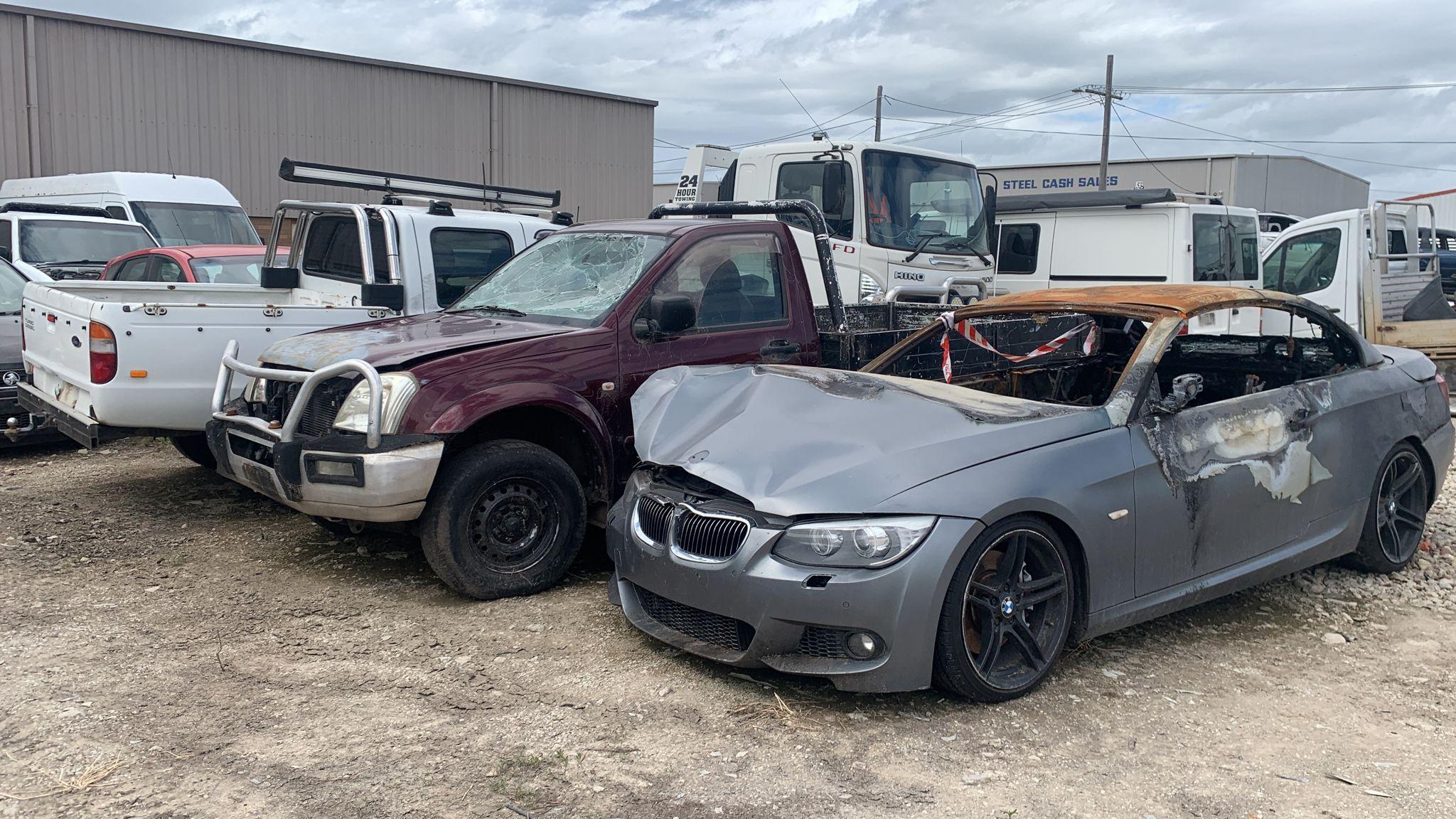
Brisbane has a large and growing number of vehicles on its roads. As cars, vans and light commercial vehicles reach the end of their useful life, more of them enter the vehicle recycling and disposal system. An end-of-life vehicle is a vehicle that is no longer suitable for normal road use because of age, damage, mechanical failure or other reasons.
These vehicles cannot simply be left in yards, on streets or in open spaces. They contain metals, fluids, batteries, tyres, glass, plastics and other materials that need proper handling. Brisbane therefore relies on vehicle owners, recyclers, dismantlers and waste management systems to move old vehicles through the right channels.
The way an end-of-life vehicle is handled matters because the vehicle still contains materials that can be recovered. It can also contain substances that may harm soil and water if they are released into the environment.
Why Brisbane Is Seeing More End-of-Life Vehicles
Several factors can lead to a growing stream of old vehicles.
Cars do not remain on the road forever. Mechanical parts wear out, bodywork can become badly damaged, and repair costs can rise as a vehicle gets older. Some vehicles are also written off after crashes.
Brisbane also has a large population and a high level of vehicle use. More vehicles on the road means that more vehicles will eventually reach the end of their working life.
Another factor is the age of some vehicles already in use. Older cars may need more repairs and replacement parts. At a certain point, an owner may decide that keeping the vehicle is no longer practical.
Floods, storms and crashes can also add damaged vehicles to the waste stream. A vehicle that has suffered major structural or water damage may not return to the road.
What Happens to an End-of-Life Vehicle?
An old vehicle can contain many materials that can be recovered.
Steel is one of the main materials found in cars. Aluminium, copper and other metals are also present in different components. Glass, plastics, rubber and electronic parts can also be separated during dismantling and recycling.
The first stage usually involves collecting the vehicle and taking it to a suitable facility. The vehicle can then be inspected to identify parts that can be removed.
Fluids need special attention. Engine oil, coolant, brake fluid, transmission fluid and other automotive liquids should not be released onto the ground or into drains.
The battery also needs proper handling. Vehicle batteries contain materials that require controlled storage and recycling.
Once these materials have been removed, the remaining vehicle body can be processed for metal recovery.
For more information about vehicle removal and recycling services in Brisbane, visit https://nationalcarremoval.com.au/.
Vehicle Dismantling Plays an Important Role
Vehicle dismantling is an important part of managing old cars.
Before a vehicle is crushed or processed for scrap, useful parts can be removed. These may include engines, gearboxes, alternators, starter motors, wheels and other components, depending on their condition.
Removing usable parts can reduce the amount of material that needs to be processed as waste. It can also allow parts from older vehicles to remain in use in other vehicles.
Dismantling also gives operators a chance to remove fluids, batteries and other items before the vehicle body is processed.
This stage needs to be carried out with proper handling practices because vehicles contain many different materials.
Metal Recovery From Old Vehicles
Metal recovery is one of the main reasons vehicle recycling matters.
A large part of a typical vehicle is made from steel. Steel can be separated from other materials and sent into metal recycling systems. Other metals, such as aluminium and copper, may also be recovered.
Recycling metal reduces the need to obtain all new metal from raw materials. Recycled metal can return to manufacturing processes after suitable processing.
For Brisbane, this means an old vehicle does not have to become useless waste. Parts of the vehicle can enter another production cycle.
The amount and type of metal recovered depends on the vehicle and the recycling process used.
What Happens to Vehicle Fluids?
Vehicle fluids require careful handling because they can cause pollution when disposed of incorrectly.
Used engine oil is one example. It should not be poured onto soil, into stormwater drains or into waterways. Other fluids, such as coolant and brake fluid, also need suitable collection and disposal.
During vehicle dismantling, these liquids can be removed before the vehicle is processed.
This step is important for protecting land and waterways around Brisbane. It also helps prevent automotive waste from entering normal household waste systems.
Batteries and Tyres Need Separate Handling
Old vehicles contain more than metal.
Car batteries contain lead, acid and other materials that require controlled handling. They should be sent through suitable battery recycling or disposal systems rather than being placed in ordinary rubbish.
Tyres are another issue. Large numbers of old tyres can create storage problems and can become a waste management concern when they are not handled correctly.
Some tyres can be reused or processed for other purposes, depending on their condition and the recycling system available.
Separating batteries, tyres and other materials makes the vehicle recycling process more organised and reduces the amount of mixed waste.
The Role of Vehicle Owners
Vehicle owners also have a part to play in the end-of-life vehicle process.
An owner who has an old or damaged vehicle should avoid leaving it on public land or disposing of it through an unsuitable waste method. The vehicle should be directed to an appropriate removal, dismantling or recycling service.
Owners should also keep the vehicle paperwork that may be needed when transferring or disposing of the vehicle.
If the vehicle still has registration, the owner should check the current Queensland requirements before handing it over. Registration cancellation and number plate requirements can depend on the circumstances.
For vehicles that are damaged or no longer roadworthy, owners should also avoid driving them when doing so would create a safety risk.
How Vehicle Recycling Reduces Waste
Recycling helps reduce the amount of vehicle material that ends up as waste.
A car is made from many separate materials. If the whole vehicle is treated as general waste, useful metals and parts can be lost.
Dismantling allows materials to be separated before further processing. Metals can enter metal recycling systems, selected parts can be reused, and other materials can be directed to the relevant waste stream.
This approach also reduces the need to send large amounts of mixed vehicle material to landfill.
Why Proper Vehicle Removal Matters in Brisbane
Old vehicles can take up considerable space when they are left unused for long periods. They can also collect water, deteriorate and become a source of scattered waste.
Proper removal moves the vehicle into a controlled process.
For an owner who has an unwanted car sitting on private property, arranging cash for car brisbane through National Car Removal Brisbane can connect the vehicle with a removal process where the car can then be assessed for parts and recyclable materials. This is particularly relevant when an old vehicle is no longer being driven and its metal, components and other materials may still have a use within the recycling chain.
The important point is not only removing the vehicle from the property. The next stage matters as well. A vehicle should enter a process where reusable parts and recyclable materials can be separated from materials that require controlled disposal.
Brisbane and the Wider Recycling System
Vehicle recycling does not operate as a single process at one location. It involves several stages and different participants.
A vehicle may move from an owner to a removal operator, then to a dismantling or recycling facility. At the facility, different materials can be separated.
Metal may move into a metal recycling stream. Usable vehicle components may be prepared for reuse. Fluids, batteries and other materials can be handled through their relevant waste systems.
This chain helps Brisbane deal with old vehicles as a collection of materials rather than treating every vehicle as one item of waste.
The Importance of Responsible Disposal
Improper vehicle disposal can create several problems.
An abandoned vehicle can become a source of litter and may contain fluids that can leak over time. Batteries, tyres and other vehicle components can also create waste problems when they are not handled correctly.
Responsible disposal gives each part of the vehicle a better chance of reaching the correct waste or recycling stream.
It also helps keep unwanted vehicles away from roadsides, vacant land and other places where they can become an environmental or community issue.
What the Future May Bring
Vehicle technology is changing. Electric and hybrid vehicles are becoming more common, which means end-of-life vehicle management will also need to account for different vehicle components.
Electric vehicles use high-voltage battery systems. These batteries require different handling from conventional lead-acid car batteries. As more electric vehicles eventually reach the end of their road life, recycling systems will need suitable processes for their batteries and other components.
Traditional petrol and diesel vehicles will also continue to enter the end-of-life stream for many years.
Brisbane therefore needs vehicle recycling systems that can deal with different vehicle types and changing materials.
Conclusion
Brisbane’s growing stream of end-of-life vehicles requires proper collection, dismantling, recycling and disposal.
Old vehicles contain large amounts of steel and other metals, along with parts that may still be useful. They also contain fluids, batteries, tyres and other materials that need careful handling.
Vehicle owners have an important role in sending unwanted vehicles into the correct disposal or recycling channel. Dismantlers and recyclers then separate the vehicle into different material streams.
As Brisbane continues to grow and vehicle technology changes, responsible end-of-life vehicle management will remain an important part of waste management. The aim is to keep old vehicles out of unsuitable disposal sites while recovering as much usable material as the recycling process allows.

 English
 French
 Spanish
 Portuguese
 Deutsch
 Turkish
 Dutch
Dutch
 Italiano
 Russian
 Romaian
 Portuguese (Brazil)
 Greek
Greek