


Why Car Owners Are Rethinking the Future of Old Vehicles
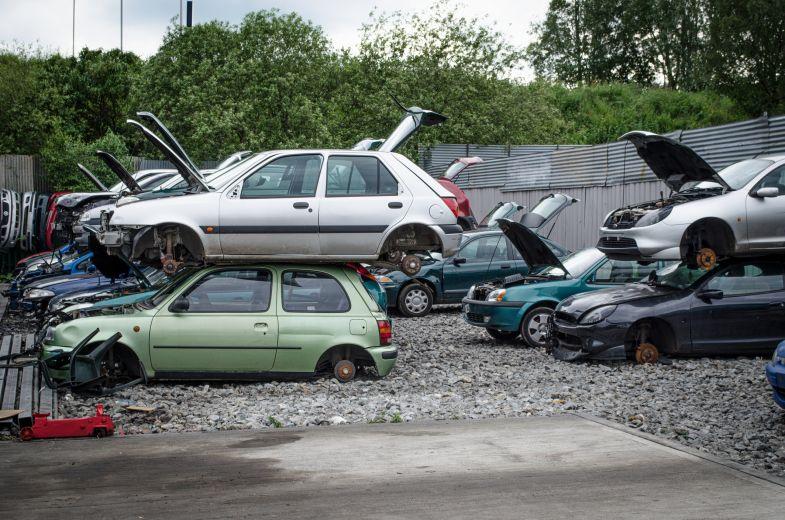
Old cars often stay in driveways, garages, and parking areas long after their useful driving years have passed. Some owners keep them because they have used the car for many years. Others hold onto an old vehicle because they believe it may still have some use later. However, changing repair costs, safety needs, fuel use, registration costs, and the condition of older parts are making many car owners think about what they should do with an ageing vehicle.
The decision is not always about whether an old car can still start and move. A vehicle can remain on the road while its repair needs and running costs continue to grow. At some point, an owner may need to compare the cost of keeping the vehicle with the money that could be recovered by selling it or sending it for recycling.
Rising Repair Costs Can Change the Decision
One major reason owners rethink old vehicles is the cost of repairs. As a car gets older, more parts can reach the end of their working life. Brakes, suspension parts, belts, hoses, batteries, cooling system parts, tyres, and electrical components may need attention.
Older vehicles can also need repairs that are linked to age rather than mileage alone. Rubber parts can become brittle. Seals can wear out. Metal parts can develop corrosion. Electrical connections can become damaged over time.
A single repair may not seem like a major issue. The concern comes when several repairs appear within a short period. For example, an owner may pay for a cooling system repair one month and then face suspension or electrical work later. When these costs continue, keeping the vehicle may no longer fit the owner’s budget.
This does not mean every old car should be sold. A well-maintained older vehicle can still provide many years of use. The condition of the individual car matters more than its age alone.
Older Cars Can Have Higher Maintenance Needs
Maintenance is part of owning any vehicle, but older cars often need more attention. Regular servicing can help identify worn parts before they cause larger problems.
A vehicle that has covered many kilometres may have more wear across its mechanical systems. The engine, transmission, steering, suspension, brakes, and other components may all have different levels of wear.
Maintenance records can also become important when deciding what to do with an older car. A vehicle with a clear service history may have a different future from one that has missed many services.
Owners can look at the money spent on the vehicle over the past year and compare it with the expected repair work ahead. This gives a clearer picture than looking only at the current market price.
For vehicle collection in Brisbane, see https://www.localcashforcar.com.au/car-removal-brisbane/ for more information.
Safety Technology Has Changed
Vehicle safety has changed greatly over the years. Newer cars can include safety systems that were not common in older models.
Depending on the model and year, newer vehicles may include features such as electronic stability control, multiple airbags, reversing cameras, lane support systems, autonomous emergency braking, blind-spot monitoring, and other driver assistance technology.
Older vehicles may have fewer of these systems. This does not mean that every old vehicle is unsafe or that every new vehicle prevents crashes. It means that safety equipment varies between vehicle generations.
Australian vehicle owners can also check safety information through official sources before making a decision about an older car. ANCAP safety ratings can provide information about crash-test results and safety equipment for many vehicle models.
Fuel Use Can Matter Over Many Years
Fuel consumption is another factor that can change the cost of keeping an older vehicle.
Vehicle technology has changed over time, with many newer cars designed to use less fuel than older models of similar size and type. Hybrid vehicles have also become more common in Australia.
For an owner who drives many kilometres each year, fuel use can have a noticeable effect on household spending. A car that uses more fuel may cost more to run even when it does not need major repairs.
However, fuel use should be considered along with purchase costs, insurance, registration, maintenance, and other ownership expenses. Buying another vehicle only to save on fuel may not make financial sense if the replacement costs much more.
Registration and Insurance Still Matter
Keeping an old vehicle can involve more than repair bills. Owners also need to think about registration and insurance.
In Australia, registration rules differ between states and territories. Requirements can include inspections or safety checks depending on the situation and location. A vehicle that is not being used may have different registration considerations from a vehicle that is driven regularly.
Insurance costs also depend on several factors, including the vehicle, driver, location, type of cover, and insurer. An owner should check the current costs rather than assuming that an older car will always cost less to insure.
When an old vehicle is rarely used, these ongoing costs can make an owner question whether keeping it is worthwhile.
A Car Can Lose Practical Use Before It Becomes Completely Useless
A common mistake is to think that a car has to be completely broken before it has reached the end of its useful life.
An old vehicle may still start, but it may have faults that make regular driving difficult. It may also have registration issues, accident damage, rust, worn tyres, transmission problems, or engine faults.
Some cars are also kept for parts. A vehicle that is no longer suitable for daily driving can still contain parts that may be reused or recycled.
This is one reason owners are looking at old cars in a different way. The future of a vehicle does not have to mean continued road use. It can also involve selling the vehicle, dismantling it, reusing suitable parts, or recycling its materials.
Old Vehicles Still Contain Useful Materials
Cars contain a large amount of metal and other materials. Steel makes up a major part of a typical vehicle, while aluminium, copper, glass, rubber, plastics, and other materials are also present.
When a vehicle reaches the end of its road life, these materials do not necessarily have to become waste. Vehicle recycling can recover metals and parts for further use.
The recycling process can also reduce the need to obtain new raw materials for some uses. Metal can be processed and used again in manufacturing.
This gives an old vehicle another possible purpose after it stops being suitable for normal driving.
Damaged Cars May Still Have a Future
Crash-damaged vehicles are another group that owners may need to reconsider.
A damaged car may have a serious body problem while some mechanical or electrical parts remain usable. Depending on the damage and vehicle condition, parts such as wheels, engines, transmissions, doors, lights, mirrors, seats, and other components may have some use.
The decision to repair a damaged car depends on the extent of the damage and the cost of repairs. If repair costs are high compared with the vehicle’s market worth, an owner may choose another option.
This is where vehicle dismantling and recycling can play a role. Parts that can be reused may be removed, while suitable materials can be sent for recycling.
Selling an Old Car Can Reduce the Cost of Keeping It
Owners sometimes keep old cars because they have an emotional connection with them. This is common when a vehicle has been owned for many years or was used during an important period of life.
However, an unused car still takes up space and may continue to require maintenance or other costs.
For owners who have already decided to let the vehicle go, selling it can turn an unused asset into money. The amount received depends on factors such as the make, model, age, condition, location, demand for parts, and scrap material content.
Owners should also make sure that ownership and paperwork are handled correctly when selling a vehicle.
Selling a Car for Cash Can Fit Into This Change
For a Brisbane owner who has an old, damaged, unwanted, or end-of-life vehicle sitting unused, the option to sell my car for cash brisbane can connect directly with the wider issue of what happens to old vehicles. Local Cash For Cars Brisbane provides a way for owners to move a vehicle out of their driveway while allowing the car to enter the used-parts or recycling process where suitable. This can make sense when continued repairs, registration costs, or storage are no longer practical for the owner, visit https://www.localcashforcar.com.au/sell-my-car-for-cash/ to learn more.
The Future of an Old Vehicle Is Not Always the Road
The idea of a car having a useful life only while it is being driven is changing. Once a vehicle becomes too costly or unsuitable to keep on the road, it can take another path.
Some vehicles can be repaired and sold. Some can be dismantled for parts. Others can be processed for metal and other recyclable materials.
This means an old car does not necessarily have to become unused waste. Its remaining parts and materials can still have a role after its driving life has ended.
For car owners, the key question is not only whether an old vehicle can still run. It is also whether keeping it makes sense based on its condition, repair needs, running costs, safety features, registration, and possible resale or recycling worth.
As these factors change over time, more owners are taking a closer look at what their old vehicles can offer next. For some, that may mean another period of driving. For others, the next stage may be selling, dismantling, or recycling the vehicle.

 English
 Arabic
 French
 Spanish
 Portuguese
 Deutsch
 Turkish
 Dutch
Dutch
 Italiano
 Russian
 Romaian
 Greek
Greek