


Understanding Graft Numbers in FUT Hair Transplant in Dubai
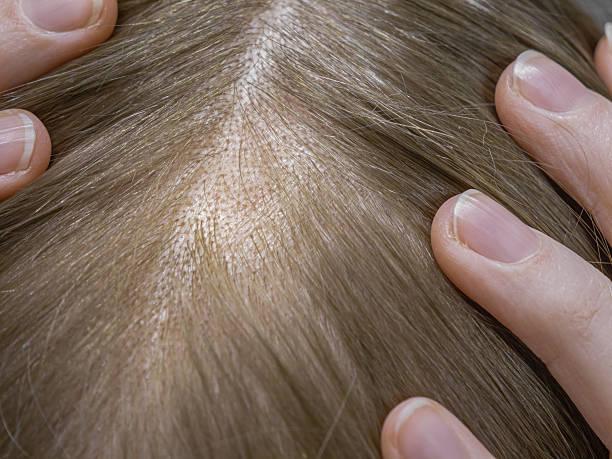
The number of grafts required for FUT Hair Transplant in Dubai is determined during an individual scalp assessment rather than selected from a standard package. Surgeons consider the size of the thinning area, donor density, hair characteristics, scalp laxity, and the patient's long-term hair restoration goals.
A graft is not the same as one hair. Each follicular unit can contain one or several hairs, which is why graft numbers should always be interpreted alongside the expected number of hairs.
Why Graft Numbers Vary Between Patients
Two people can have similar-looking hair loss but require very different treatment plans.
Factors that influence graft requirements include:
- Size of the bald or thinning area
- Hairline position
- Crown involvement
- Existing hair density
- Donor hair density
- Hair thickness
- Hair color and contrast with the scalp
- Available donor supply
- Scalp laxity
- Long-term progression of hair loss
This is why a fixed graft number cannot be recommended accurately without examining the scalp.
Donor Density Sets an Important Limit
The donor area is a finite resource.
During FUT, a strip of hair-bearing scalp is removed from the donor region and divided into individual follicular units for transplantation.
The surgeon must consider how much donor tissue can be safely removed while preserving an acceptable donor appearance.
This makes donor assessment one of the most important parts of planning.
Hair Characteristics Change the Visual Effect
Graft numbers alone do not determine the final appearance.
Hair caliber, curl, texture, and the number of hairs contained within each follicular unit can affect visual coverage.
For example, thicker hair may create stronger visual coverage with fewer grafts than very fine hair covering the same area.
The contrast between hair and scalp can also influence how dense the result appears.
The Area Being Restored Matters
A patient seeking a conservative hairline restoration may require a different number of grafts from someone with extensive frontal and crown loss.
Common treatment zones include:
- Frontal hairline
- Temples
- Frontal scalp
- Mid-scalp
- Crown
- Larger combined areas
The surgeon may prioritize certain areas depending on the patient's age, donor supply, and long-term pattern of hair loss.
Planning for the Future Is Part of Graft Calculation
Good graft planning is not only about filling today's bald areas.
A surgeon may also consider how the patient's native hair could change over time.
Using too much donor supply early may reduce options for future treatment. A long-term strategy therefore considers both current restoration and potential future needs.
This is particularly relevant for younger patients or those with ongoing progressive thinning.
One Session Does Not Always Tell the Whole Story
Some patients can achieve their desired coverage in one procedure. Others may need staged treatment.
A staged approach may be considered when:
- Hair loss is extensive.
- Donor supply is limited.
- The patient wants gradual restoration.
- Different areas need to be prioritized.
- Future native hair loss needs to be monitored.
The appropriate plan depends on the patient's anatomy and goals.
What a Graft Assessment Should Include
A meaningful consultation should look beyond a simple graft estimate.
The assessment may consider:
- Donor density.
- Hair caliber and texture.
- Existing hair loss pattern.
- Recipient-area size.
- Hairline design.
- Scalp characteristics.
- Long-term donor preservation.
- Previous hair procedures.
- Expected coverage.
- Potential future treatment needs.
This produces a more realistic treatment plan than choosing a graft number based only on photographs.
Realistic Planning Matters More Than a Large Number
More grafts do not automatically mean a better result.
The objective is to use the available donor hair intelligently while creating natural coverage and preserving future options.
For patients exploring FUT Hair Transplant in Dubai, a personalized graft assessment is therefore more useful than comparing package sizes.
Discuss your FUT Hair Transplant in Dubai options with Tajmeels Clinic.

 English
 Arabic
 Spanish
 Portuguese
 Deutsch
 Turkish
 Dutch
Dutch
 Italiano
 Russian
 Romaian
 Portuguese (Brazil)
 Greek
Greek