


Reading Solar Plans Like a Reviewer: A Sheet-by-Sheet Tour of PV Plan Sets
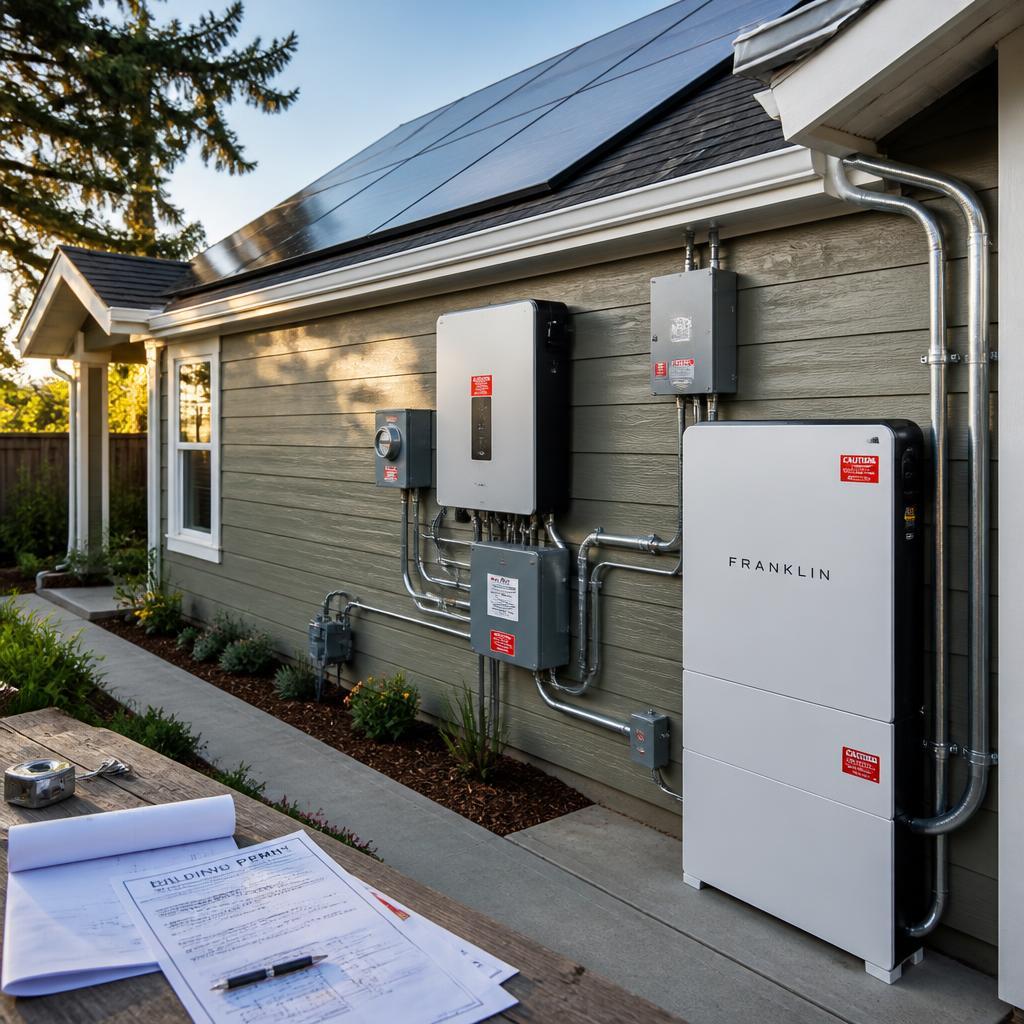
Meta description: A page-by-page tour of pv plan sets that shows what reviewers check on every sheet and how small drawing errors turn into weeks of delay.
Nobody outside the industry thinks much about the drawings behind a solar job. Homeowners see panels, and salespeople see savings. A plan reviewer sees a stack of sheets and asks one question: does this package prove the system is safe? The answer lives inside your pv plan sets, and it decides whether a permit clears in days or bounces for weeks.
PTOEdge wrote this tour for installers, designers, and curious homeowners who want to see those sheets through a reviewer's eyes. We walk through each page in the order a reviewer usually reads it. Along the way, we explain what gets checked, where mistakes hide, and how pv plan sets connect to the permit and the utility approval that follow. If a package of yours keeps coming back with comments, have a reviewer-minded expert read your drawings before you resubmit.
Before You Open Sheet One: What the Package Is For
A permit reviewer almost never visits your roof. Instead, they judge the system entirely from paper, which means the drawings must answer every question before anyone asks it. Well-built pv plan sets act like a conversation in which the reviewer's doubts are settled one page at a time.
That is why formatting matters as much as engineering. A perfectly designed system can still collect comments if the reviewer cannot find the setback dimension or the breaker rating quickly. Reviewers handle dozens of files in a week. Consequently, they reward packages that are easy to read and punish packages that make them hunt.
Terminology also varies, which confuses newcomers. You will hear solar plan sets, solar permit plans, and plan set used loosely for the same deliverable. Some people even write solar planset as one word. The name changes from office to office, but the expectation stays fixed. Every page must agree with every other page, and the whole package must describe one real, buildable system.
Sheet T-1: The Cover Page Sets the Tone
The cover sheet looks like a formality, yet reviewers use it to orient themselves. It lists the project address, the system size, the code editions in use, and the sheet index. Good pv plan sets put these details in one clean block so nobody has to guess which rules apply.
Two details deserve extra care here. First, the system size on the cover must match every other page, down to the last tenth of a kilowatt. Second, the code references must match what the local office actually enforces. A cover sheet that cites an outdated code edition tells the reviewer that the rest of the package may be careless too.
Smart designers also add a short scope note. It states plainly what the job includes, such as roof-mounted panels, a string inverter, and a main panel upgrade. That single paragraph prevents an entire round of clarifying questions. Solid construction drawing sets always begin with a cover that answers the basic questions immediately.
Sheet A-1: The Site Plan Shows the Big Picture
The site plan is the aerial view. It shows the property lines, the building footprint, the driveway, and the location of the utility meter and main service panel. Reviewers use it to confirm access, especially for firefighters who may need to reach the roof.
Accuracy on this sheet builds credibility quickly. The meter location, the main panel, and the point of interconnection should all appear with clear labels. If the site plan shows the meter on the north wall but the electrical diagram implies the south wall, the reviewer will stop and ask. That question alone can add days to the calendar.
Setbacks also matter here. Fire access rules require clear pathways across the roof, and the site plan often introduces them. Careful jurisdiction permit research tells you which pathway widths the local office expects before you draw a single line. Well-prepared pv plan sets never leave that research for the end.
Sheet A-2: The Roof and Array Layout
This is the page most people picture when they imagine a solar drawing. It shows each roof plane, the panel positions, the racking rails, and the attachment points. It also shows the pathways, ridge setbacks, and vent locations that limit where panels can go.
Reviewers look for three things here. First, they check that the panel count matches the system size on the cover. Second, they confirm that the setbacks meet the local fire code. Third, they verify that the layout avoids roof obstructions such as chimneys, skylights, and plumbing vents. A mismatch on any of these points earns a comment.
The layout must also reflect reality. Designers who work from satellite images alone sometimes miss a vent pipe or a small dormer. Then the crew arrives, discovers the obstruction, and shifts a row of panels. Suddenly the drawings no longer match the installation. Reliable roof and array layouts depend on accurate site data from the start, and disciplined pv plan sets update every sheet whenever a field change occurs.
Sheet S-1: The Structural Page Answers the Weight Question
Every roof has to carry the added weight of the array, plus wind and snow loads. The structural sheet shows the rafter size, the spacing, the attachment method, and the calculated loads. In many jurisdictions, a simple prescriptive table satisfies the reviewer. In others, the reviewer wants a formal engineering letter.
Older homes, unusual framing, and large arrays raise the odds of a stamp requirement. Some jurisdictions also require it for every commercial roof. Finding a dependable solar stamping service can become a genuine scheduling problem, because the engineer needs solar experience and open availability. Arranging PE-certified drawings early keeps the schedule intact when a reviewer asks for certification late in the process.
Structural pages also expose weak assumptions. If the drawings claim a certain rafter size but the field crew finds something smaller, the design has to change. That is why strong pv plan sets include a note explaining how the framing was verified, whether by photos, an attic inspection, or original plans.
Sheet E-1: The Single-Line Diagram Carries the Electrical Story
Ask any reviewer which page they read most carefully, and most will say the single-line diagram. It shows how power flows from the panels through the inverter, the disconnects, the breakers, and finally to the utility connection. Utilities read this page first as well.
Every number on this sheet has to agree with the rest of the package. The inverter rating must match the data sheet. The breaker size must match the main panel rules. The wire gauge must handle the current with a proper safety margin. Any disagreement raises a flag, and flags slow approval. Accurate electrical diagram drafting is therefore the foundation of every dependable set of pv plan sets.
Rapid shutdown is another frequent trouble spot. The diagram must show how the system de-energizes quickly during an emergency, and it must show where the initiating device sits. Meanwhile, backfed breaker rules, such as the 120 percent busbar limit, deserve a visible calculation. When the reviewer can verify the math on the page, the review moves faster.
Sheet E-2: Labels and Placards Prove You Read the Code
This sheet lists the warning labels, the placards, and the directory that must appear at the meter, the main panel, and the inverter. Firefighters and utility workers depend on those labels in an emergency, so reviewers examine them carefully.
Designers sometimes treat this page as boilerplate, and that habit causes trouble. A generic label sheet that ignores the local amendments invites comments. Instead, the drawings should show the exact wording, the exact locations, and the exact materials the local office expects. Then the inspector can compare the installed labels against the approved drawings on inspection day.
That comparison matters more than most people realize. An inspector who finds a missing placard can fail the whole job, even when the installation is excellent. Careful local code review before drawing the label sheet prevents an avoidable failed inspection.
Sheet E-3: Equipment Data Sheets Close the Loop
The last sheets in most packages are the manufacturer data sheets, or cut sheets. They cover the panels, the inverter, the racking, the optimizers if any, and the disconnects. Reviewers use them to confirm that the equipment on the drawings is listed and rated for the way it will be used.
Model numbers are the classic trap. If the diagram says one inverter model and the data sheet shows another, the reviewer stops. The same problem appears when a supplier substitutes a module late in the project. The crew installs the new panel, but the drawings still show the old one. Solid equipment specification pages prevent this by staying synchronized with what actually ships.
A good habit is to lock the equipment list before drawing anything. Then every sheet pulls from the same source. Teams that follow this routine rarely see the model-number comments that plague sloppier pv plan sets.
When the Local Office Changes the Pages
So far, the tour assumed a generic jurisdiction. Real offices differ widely. The Authority Having Jurisdiction, or AHJ, adds its own amendments on top of state code. Reviewers increasingly expect Permit Design & AHJ Compliance to appear inside the package, not merely to be assumed.
That is why best solar permit design starts with research. Which code edition applies? Does the office want a specific label format? Does it require the fire pathway drawn a certain way? Careful building department submittals answer those questions before design begins. Installers who need solar permit services San Diego offices accept, for example, must show fire setbacks and rapid shutdown details more explicitly than many inland counties require.
Other jobs add extra layers. Communities with an architectural board impose their own view on panel placement, so drawings must respect hoa solar panel guidelines alongside the building code. Many installers link the hoa solar panel guidelines review to the permit timeline so both approvals run together. Larger rooftops raise the stakes, because commercial solar permit services involve heavier structural loads and more review rounds. Battery systems add yet another layer, since battery energy storage permitting often requires ventilation notes, spacing clearances, and listed equipment. Reliable pv permit services keep all of these variations straight, so crews do not learn them one rejection at a time.
Good planning also reduces surprises later. Permit approval planning lets the team map every review before the first sheet is drawn. Consistent pv plan sets then move through those reviews without repeated detours, and the later pto services stage feels far more routine.
Automation Changes How Drawings Get Built
Many jurisdictions now use SolarAPP+, a platform that automates code checks for residential permits. In theory, that speeds approvals dramatically. In practice, it rewards precision, because software cannot make the judgment calls an experienced reviewer sometimes makes.
That shift changes how pv design services should work. A design that satisfies every rule can clear in minutes, while one unusual detail can send the package straight back. Teams that invest in automated compliance design therefore see fewer resubmissions. Similarly, rule-checked PV layouts turn that fast approval into a repeatable habit.
The pressure is highest for solar epcs working across several states. A package that passes cleanly in one jurisdiction may trigger flags in the next. Building around the strictest applicable standard produces steadier results. It also helps crews schedule solar panels and installation work with confidence, since approvals arrive when expected. Automation never replaces careful pv plan sets. Instead, it punishes careless ones faster.
What Happens After the Permit
Once the permit is approved, the crew builds the system and a local inspector signs off. Then the file moves to the utility. Homeowners are often surprised here, because the system is finished but still cannot turn on. The written approval that ends this wait is often called pto solar, or permission to operate solar in longer form.
The utility wants complete, consistent paperwork before it allows any export. Complete pto installation records, including photos, labels, and serial numbers, give reviewers confidence that the system was built as drawn. A pto inspection is also not only about craftsmanship, since the inspector compares the installed system against the approved pv plan sets line by line. Any field change made without updating the drawings can cause a failure.
Billing enters the picture at this stage too. Enrollment in solar net metering usually rides along with the interconnection file. Many homeowners search for solar panels net metering as if it were a separate program, yet one incomplete form can freeze both. Careful utility connection paperwork keeps everything consistent, and steady final approval tracking prevents files from going quiet.
Timing matters as well. A PTO application filed before final inspection sign-off adds waiting without adding value. Many teams also rely on interconnection document checks before submitting, and on pto solutions that track every document in one place. Dependable permission to operate services tie the drawings, the inspection, and the utility file together. Meanwhile, system energization steps tell the homeowner exactly when to flip the switch, and PTO filing support helps when the utility asks for one last correction.
Why the Proposal Belongs in This Conversation
It may seem odd to discuss sales inside a drawing guide. However, the chain starts long before any sheet exists. A solar sales proposal sets the homeowner's expectations for system size, savings, and timing. Yet it often receives the least engineering review of any document in the process.
When a proposal promises more than the roof allows, the gap surfaces during design. The array shrinks, the savings estimate changes, and the customer feels misled. Companies that use engineering-backed proposals avoid that awkward phone call. The quote reflects what the roof can hold and what the local reviewer will approve.
There is a business angle as well. Solar Installer Growth depends on referrals, and referrals depend on trust. Honest quotes cost nothing at the proposal stage. They also make the later pv plan sets far easier to finish, since the design matches what the customer already expects.
The Quick Review Routine That Catches Most Errors
Most rejections trace back to a short list of causes. Knowing them ahead of time is the cheapest insurance available:
- Equipment models that differ between sheets and data sheets
- Panel counts that disagree between the cover and the layout
- Missing fire pathways or setback dimensions
- Single-line diagrams that conflict with inverter or breaker data
- Label sheets that ignore local amendments
- Outdated pages left in the package after a late equipment change
Notice that none of these are engineering failures. They are consistency failures, and consistency responds to routine. A second person reading the package aloud catches most of them in minutes. That habit costs almost nothing, yet it prevents weeks of delay.
Revisions deserve their own routine. Whenever the design changes, every affected sheet needs an update and a new revision date. Skilled redline revision handling keeps the package consistent even when the project shifts mid-stream. Otherwise, pv plan sets drift out of sync with the real installation, and the reviewer notices immediately.
How PTOEdge Approaches Drawings
At PTOEdge, we know solar work is more than just installing panels. It also needs clear designs, correct documents, and utility approval. Every city has different rules, and small mistakes can slow projects. That is why we handle every detail carefully. Because of this, projects move forward smoothly and safely, saving time and reducing stress for everyone involved.
We treat pv plan sets as the center of one continuous pipeline. The proposal informs the drawings, the drawings inform the permit, and the permit informs everything the utility needs to see. Handling those stages consistently keeps documentation accurate from the first homeowner conversation to the moment the system switches on. Careful pv plan sets are therefore not just paperwork. They are the thread that holds the whole project together.
Bringing the Tour Together
Every sheet in a solar package answers a different reviewer question. The cover orients, the site plan shows access, the layout proves the setbacks, the structural page handles weight, the single-line diagram carries the electrical story, and the labels and data sheets close the loop. When all of them agree, approval tends to arrive quickly.
Consistency is what separates smooth projects from stalled ones. Whether your next job is a small bungalow or a large warehouse, well-built pv plan sets give reviewers a reason to say yes on the first pass. Skipping the routine, guessing at local rules, or leaving equipment changes undocumented almost always costs more time than doing the work properly.
If a package of yours keeps returning with comments, or if you simply want a reviewer's perspective before the next submission, book a drawing readiness check and find out exactly where things can move faster.
Frequently Asked Questions
What are pv plan sets?
They are the drawing packages that show reviewers how a solar system will be built and connected.
Why do plan sets get rejected?
Most rejections come from mismatched equipment data, missing setbacks, or unclear electrical diagrams.
Do all solar projects need an engineer's stamp?
No, only certain jurisdictions or larger, more complex systems require formal engineering certification.
How long does a plan review usually take?
Timelines vary by office, but complete and consistent packages clear much faster than incomplete ones.
Can equipment changes affect approval?
Yes, any late change must be reflected on every sheet before inspection.

 English
 Arabic
 French
 Spanish
 Portuguese
 Turkish
 Dutch
Dutch
 Italiano
 Russian
 Romaian
 Portuguese (Brazil)
 Greek
Greek