


From Magnetic Materials to Practical Integration in Transformer Design
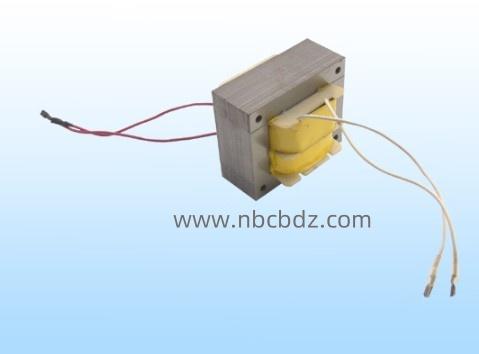
As electronic equipment becomes increasingly integrated, transformer design needs to respond to the relationship between electrical performance, available installation space, thermal conditions, and surrounding circuitry. An High Frequency Transformer Factory can play an important role in this process by combining magnetic material selection, winding technology, insulation design, manufacturing control, and application-specific development. Ningbo Chuangbiao Electronic Technology Co., Ltd. lists high frequency transformers among its electronic transformer products and provides design, manufacturing, quality assurance, logistics, and technical support as part of its overall service process.
The magnetic core is one of the most important material considerations. High frequency transformer designs commonly use ferrite materials because they are suitable for switching applications and can support efficient magnetic operation at elevated frequencies. The core shape, material characteristics, and assembly method need to correspond with the electrical design rather than being selected independently. Buyers should therefore discuss the intended converter structure and operating environment with the manufacturer when determining the appropriate core approach.
Winding materials are equally important. Copper is widely used because of its electrical conductivity and established manufacturing characteristics. However, the choice of conductor is only one part of winding design. The arrangement of the winding layers, spacing between conductive sections, connection points, and relationship between primary and secondary windings can all influence the final transformer. Chuangbiao's product information describes the use of litz wire or carefully arranged winding structures for applications where high frequency effects need to be controlled.
Insulation materials form another essential part of the construction. Primary and secondary windings need to remain appropriately separated according to the intended electrical design. Insulating tape, bobbins, sleeves, and other insulating components can contribute to this separation while also supporting the physical stability of the winding assembly. Buyers should consider insulation as part of the complete transformer construction rather than treating it as a secondary finishing detail.
Selection should begin with the application in which the transformer will operate. High frequency transformers can be used in switching power supplies, DC-DC conversion systems, electronic equipment, communication products, charging equipment, and other power conversion applications. The surrounding circuit, converter topology, isolation requirements, available installation space, and thermal environment can all influence the appropriate transformer structure. Chuangbiao identifies switching power supplies and DC-DC converters among the applications for its high frequency transformer products.
The relationship between the transformer and the circuit should also be considered during purchasing. A transformer is not an isolated component; its magnetic behavior interacts with switching devices, control circuitry, rectification components, filters, and the PCB layout. Buyers should therefore provide manufacturers with clear application information during the development stage. This can help the transformer supplier understand the role of the magnetic component within the complete power conversion system.
Winding technology becomes particularly relevant in high frequency applications. Switching operation can introduce effects that are less significant in lower-frequency transformer designs, including skin effect, proximity effect, leakage inductance, and parasitic capacitance. The winding arrangement can be developed to manage these characteristics. Interleaved winding structures, carefully controlled spacing, and suitable conductor arrangements can contribute to a more coordinated electrical design. Chuangbiao describes controlled winding structures as part of its high frequency transformer manufacturing approach.
Manufacturing technology can influence consistency between individual products. Core assembly, winding, insulation treatment, terminal connections, and final inspection all need controlled processes when transformers are produced for electronic equipment. This becomes particularly relevant for buyers who intend to integrate the same transformer design into repeated production. Chuangbiao states that it uses approved material suppliers, trained personnel, CNC equipment, automated testing systems, and comprehensive inspection before products leave the factory.
Testing is another part of the purchasing process. Buyers can discuss what types of inspection and verification are appropriate for the intended application, including electrical characteristics, insulation performance, winding relationships, and manufacturing consistency. Chuangbiao's high frequency transformer information describes routine testing related to transformer electrical and insulation characteristics before shipment.
User experience in transformer applications is largely connected with system integration. Engineers and technicians benefit when the transformer can be installed, connected, inspected, and replaced without unnecessary difficulty. Clear terminal arrangements and suitable mounting structures can simplify assembly, while a well-organized winding and insulation structure can make visual inspection easier.
Thermal considerations also influence practical use. Although high frequency transformer designs can support compact electronic equipment, heat generated within the magnetic component still needs to be considered as part of the overall system. Core material, winding arrangement, insulation, PCB placement, airflow, and surrounding components can all affect the thermal environment. Buyers should therefore communicate the installation conditions when discussing customized designs.
Electromagnetic compatibility is another important aspect of high frequency transformer development. Switching systems can generate electromagnetic noise, and transformer construction can influence how this energy is coupled through the system. Winding arrangement, leakage characteristics, interwinding capacitance, shielding approaches, and PCB layout can all be considered during development. Chuangbiao describes optional shielding and winding structures intended to manage electromagnetic behavior in high frequency applications.
Customization becomes valuable when a standard transformer does not fit the equipment architecture. Depending on the application, buyers may need different winding arrangements, multiple secondary outputs, shielding, mounting approaches, or insulation structures. Chuangbiao describes support for customized transformer development and project-based production, allowing the transformer to be considered alongside the customer's wider electrical design.
Design and appearance may seem less important than electrical performance, but the physical structure still affects installation. A compact and orderly transformer can make better use of available space and reduce conflicts with surrounding components. The shape of the core, bobbin, terminals, insulation, and protective components can all influence how the finished transformer fits into a power supply or electronic assembly.
A clean exterior can also make maintenance easier. Clearly arranged terminals, consistent insulation treatment, and orderly component positioning help technicians understand the transformer's role within the equipment. For manufacturers of electronic products, consistent physical construction can also support a more organized internal layout when several electrical components are installed together.
Material sourcing and environmental considerations can form part of supplier evaluation as well. Buyers serving international markets may need to discuss material compliance, quality systems, and environmental requirements with the manufacturer. Ningbo Chuangbiao states that its products and production processes are supported by quality and environmental certifications including ISO9001, CQC, and RoHS-related requirements.
Supplier communication should therefore cover more than the transformer itself. Engineers and purchasing teams can discuss the application, magnetic material, winding method, insulation structure, connection arrangement, installation environment, testing requirements, customization needs, and production process. This broader approach can make the transition from prototype development to repeated manufacturing more coordinated.
Ningbo Chuangbiao Electronic Technology Co., Ltd. describes itself as a manufacturer of electronic transformers with a product range that includes EI transformers, toroidal transformers, C-core transformers, medical transformers, audio transformers, high-voltage transformers, industrial control transformers, reactors, and high frequency transformers. The company also states that its organizational structure covers design, procurement, manufacturing, quality assurance, logistics, sales, and customer service.
For engineers and purchasing teams, evaluating magnetic materials, winding construction, insulation, electromagnetic behavior, application compatibility, manufacturing consistency, installation convenience, and physical design together can provide a clearer basis for transformer development and supplier communication. More information about Ningbo Chuangbiao Electronic Technology Co., Ltd. and its transformer products is available at https://www.nbcbdz.com/product/

 English
 French
 Spanish
 Portuguese
 Deutsch
 Turkish
 Dutch
Dutch
 Italiano
 Russian
 Romaian
 Portuguese (Brazil)
 Greek
Greek