


Laparoscopic Surgery in Islamabad: A Step Toward Relief
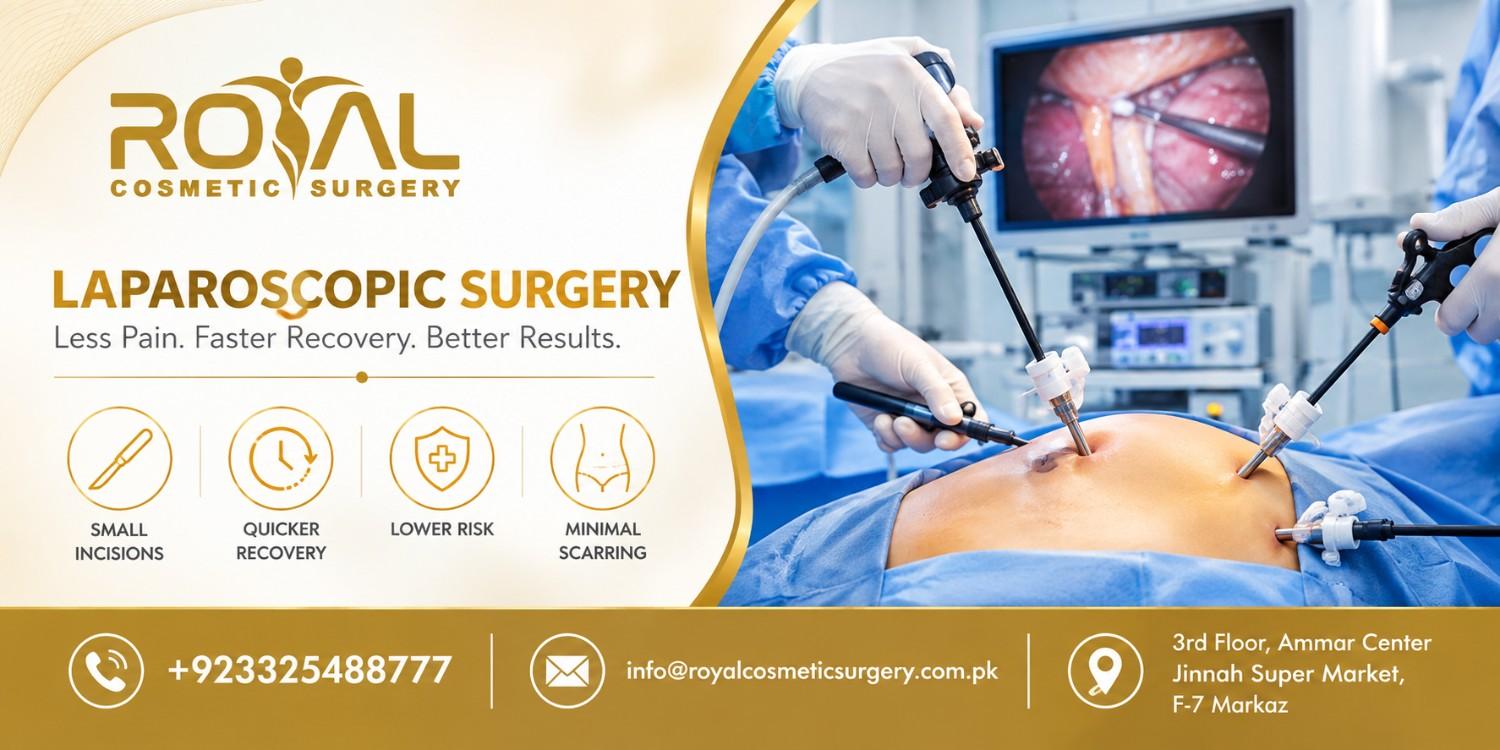
Laparoscopic surgery in Islamabad is a minimally invasive approach used for diagnosing and treating several conditions involving the abdomen and pelvis. Instead of making one large incision, a surgeon usually makes a few small incisions through which a laparoscope and specialized surgical instruments enter the body. A camera attached to the laparoscope provides a magnified view of the surgical area, allowing the surgeon to perform precise procedures while limiting disruption to surrounding tissues.
The approach has become an important part of modern abdominal surgery because it can reduce incision size and may support a quicker functional recovery for appropriately selected patients. However, laparoscopic surgery is not suitable for every condition, and the appropriate technique depends on the patient's medical history, diagnosis, anatomy and overall health.
What Is Laparoscopic Surgery?
Laparoscopic surgery is a form of minimally invasive surgery performed through small openings rather than a traditional large incision. The laparoscope equipment contains a camera and light source that transmit images to a monitor in the operating room. The surgeon uses these images to identify anatomical landmarks and guide the surgical instruments.
Depending on the procedure, laparoscopic techniques can be used for diagnosis, tissue removal, repair or other surgical treatment. Common procedures include gallbladder removal, hernia repair, selected bowel procedures and diagnostic laparoscopy.
How Does a Laparoscopic Procedure Work?
Before surgery, the medical team reviews the patient's medical history, medications, allergies and relevant investigations. The surgeon explains the procedure, potential risks, expected benefits and alternatives before obtaining informed consent.
Most major laparoscopic procedures use general anesthesia, although anesthesia techniques vary according to the operation and patient's circumstances. Once anesthesia takes effect, the surgeon creates small incision sites and introduces the laparoscope and surgical instruments.
The abdomen may be gently inflated with carbon dioxide to create enough working space. The camera provides an enlarged view of the internal structures, while specialized surgical instruments allow the surgeon to cut, seal, stitch or remove tissue as required.
During intraoperative care, the team monitors the patient continuously. Bleeding control, fluid management, tissue handling and careful identification of anatomical landmarks remain important parts of surgical safety.
Common Laparoscopic Procedures
Laparoscopic techniques can be used for a wide range of conditions. Some common examples include:
-
Cholecystectomy: Laparoscopic gallbladder removal is commonly performed for symptomatic gallstones and certain gallbladder conditions.
-
Hernia repair: Selected abdominal and groin hernias can be repaired using minimally invasive techniques.
-
Diagnostic laparoscopy: A laparoscope can help investigate unexplained abdominal or pelvic problems when other tests do not provide sufficient information.
-
Bowel surgery: Selected patients may undergo laparoscopic bowel resection or other gastrointestinal procedures.
-
Biopsy procedures: Laparoscopy can allow surgeons to obtain tissue samples for laboratory examination.
-
Liver procedures: In selected situations, laparoscopic techniques may be used for liver biopsy or other carefully planned interventions.
-
Bariatric surgery: Certain weight-loss operations can be performed using minimally invasive approaches.
The exact surgical technique depends on the condition, previous operations, anatomy and surgeon's assessment.
Laparoscopic Surgery vs Open Surgery
The major difference between laparoscopic and traditional open surgery is the size and number of incisions. Open surgery generally requires a larger incision that provides direct access to the surgical area, while laparoscopic surgery uses smaller openings and a camera-assisted view.
Minimally invasive surgery may offer advantages such as smaller scars, less disruption of surrounding tissue and potentially shorter hospital stays for appropriate procedures. However, these benefits vary according to the operation and individual patient.
Some difficult cases require conversion from laparoscopic to open surgery. This decision can be made during the operation if the surgeon determines that open access is safer or provides better control.
Laparoscopic Surgeon in Islamabad
Choosing a laparoscopic surgeon in Islamabad involves more than looking for a particular procedure. Patients should consider the surgeon's relevant training, experience with the specific operation, hospital facilities, safety protocols and the availability of appropriate postoperative care.
During consultation, the surgeon should explain why laparoscopic surgery is being recommended, what alternatives exist and what recovery may involve. A patient can also ask about the surgeon's experience with similar cases and how complications are managed if they occur.
People specifically searching for a laparoscopic surgeon in Rawalpindi Islamabad may compare surgeons across both cities because patients often consider hospitals and specialists throughout the Islamabad-Rawalpindi region.
Female Laparoscopic Surgeon in Islamabad
Some patients prefer discussing certain abdominal or pelvic conditions with a female surgeon. A female laparoscopic surgeon in Islamabad may be considered based on the patient's comfort, the surgeon's specialty and experience with the required procedure.
Searches such as "best female laparoscopic surgeon in Islamabad" can help patients identify available specialists, but the selection process should focus on relevant qualifications, experience, hospital support and the specific surgical procedure rather than a single title or ranking.
Laparoscopic Surgery Cost in Islamabad
The laparoscopic surgery cost in Islamabad varies significantly because there is no single price for laparoscopic surgery. The final cost of surgery may depend on the type of procedure, surgeon's fees, hospital charges, anesthesia, diagnostic tests, medications, surgical equipment, length of hospital stay and postoperative follow-up.
A straightforward laparoscopic procedure may have different costs from complex bowel surgery or emergency surgery. Patients with health insurance should also ask whether their policy covers the procedure, hospital stay, anesthesia and related investigations.
A written estimate after consultation can provide a clearer understanding of the expected cost of surgery.
Recovery and Hospital Stay
Recovery time depends on the procedure and the patient's general health. Many patients can begin walking relatively soon after surgery, while the medical team provides specific instructions about eating, wound care, activity and medications.
Postoperative care may include pain management, monitoring for complications and follow-up appointments. Discharge planning considers the patient's ability to move safely, manage pain, tolerate food and fluids, and understand the necessary aftercare.
Although smaller incisions can support a faster recovery in many cases, patients should not assume that every laparoscopic operation has the same recovery timeline.
Risks and Complications
Laparoscopic surgery is generally considered an established surgical approach, but it still carries potential risks. These can include bleeding, infection, blood clots, anesthesia-related complications and injury to nearby organs or blood vessels.
Specific procedures carry additional risks. For example, gastrointestinal operations can involve bowel-related complications, while abdominal procedures may involve problems related to the urinary system or surrounding structures.
Complications management begins with careful patient selection, appropriate surgical planning, monitoring during the operation and timely postoperative assessment. Patients should report unusual bleeding, persistent fever, worsening pain, breathing difficulties or other concerning symptoms to their medical team.
Advanced Laparoscopic and Robotic Techniques
Advanced laparoscopic surgery may involve specialized instruments, high-definition imaging and techniques designed for more complex procedures. Robotic assistance can also be used for selected operations, providing the surgeon with computer-assisted instrument control.
Robotic assistance does not mean that a robot independently performs the surgery. The surgeon remains responsible for controlling the instruments and making surgical decisions.
Research studies and clinical outcomes continue to evaluate different minimally invasive and robotic approaches for specific procedures. The appropriate technique should therefore be selected according to the patient's condition rather than technology alone.
Choosing a Surgical Team
Successful surgery involves more than the surgeon. Anesthesia professionals, nurses, technicians and other members of the multidisciplinary team contribute to patient safety and recovery.
For anyone researching laparoscopic surgery in Islamabad, Royal Cosmetic Surgery can be included among the facilities considered during the initial research process. Patients should still evaluate the surgeon, procedure-specific experience, operating facilities, anesthesia support and follow-up arrangements according to their individual needs.
Final Thoughts
Laparoscopic surgery provides a minimally invasive option for many abdominal and gastrointestinal procedures. Smaller incisions, camera-assisted visualization and specialized surgical instruments can support effective treatment while potentially reducing recovery demands in suitable cases.
The most appropriate approach depends on the diagnosis, medical history, surgical complexity and overall health of the patient. A detailed consultation helps clarify the procedure, anesthesia, expected hospital stay, cost, recovery time, risks and alternatives before treatment begins. For patients considering laparoscopic surgery in Islamabad, informed decision-making and proper postoperative follow-up remain essential parts of the surgical journey.

 English
 Arabic
 French
 Spanish
 Portuguese
 Deutsch
 Turkish
 Dutch
Dutch
 Italiano
 Russian
 Romaian
 Greek
Greek