


Understanding the Challenges Veterans Face After Leaving the Military
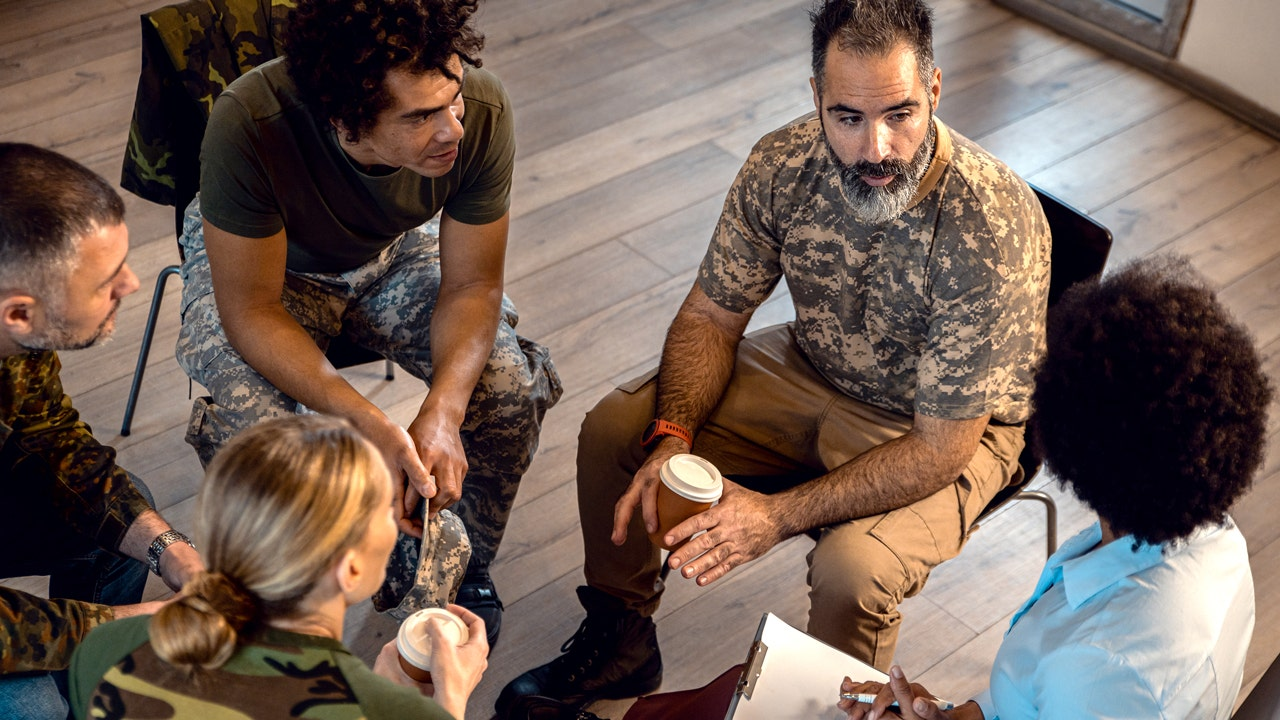
Leaving the military can be a major life transition. After years of following structured routines, working within a close team, and serving a clear mission, veterans may face uncertainty when adjusting to civilian life. Veteran coaching can provide practical guidance during this transition by helping former service members understand their goals, build confidence, and develop strategies for managing changes in work and daily life.
Adjusting to Civilian Life
Military life often provides a clear structure, defined responsibilities, and established expectations. Civilian environments can feel very different, with more flexible routines and less predictable career paths. Veterans may need time to adjust to new workplace cultures, communication styles, and social environments.
This adjustment does not happen at the same pace for everyone. Some veterans quickly find new opportunities, while others may need additional support as they identify what they want from their next stage of life.
Finding a New Career Direction
One of the biggest challenges after military service can be finding meaningful civilian employment. Veterans have valuable skills such as leadership, teamwork, organization, decision-making, problem-solving, and working under pressure. However, they may have difficulty explaining how military experience connects to civilian job requirements.
Translating military responsibilities into civilian-friendly resumes and interview answers can make the job search easier. Identifying transferable skills can also help veterans explore careers that match their experience and interests.
Managing Changes in Identity
Military service can become an important part of a person's identity. Leaving that environment may create a feeling of losing a familiar role or community. Veterans may wonder how they fit into civilian society or what their purpose should be after service.
Building a new identity does not mean leaving military experiences behind. Instead, veterans can use lessons from their service as a foundation for developing new personal and professional goals.
Building Civilian Relationships
Military units often create strong bonds between service members. After leaving the military, veterans may no longer have regular access to the same type of support network. Moving to a new location or starting a new job can make this change even more noticeable.
Developing new relationships through professional organizations, community groups, veteran networks, hobbies, and educational opportunities can help create a sense of connection and belonging.
Creating New Goals and Routines
A structured military routine can make the transition to civilian life challenging. Veterans may benefit from creating their own schedules, setting realistic goals, and establishing healthy daily habits.
Small and achievable goals can provide direction while allowing veterans to gradually adapt to their new circumstances. Career planning, education, personal development, and community involvement can all become meaningful parts of this process.
Moving Forward With Confidence
The transition from military service to civilian life is a personal journey that can involve both opportunities and challenges. Recognizing transferable skills, building supportive relationships, developing new routines, and setting realistic goals can help veterans create a fulfilling future. Veteran coaching can also offer structured guidance for veterans who want support as they navigate career changes, personal goals, and life after military service.

 English
 Arabic
 French
 Spanish
 Portuguese
 Deutsch
 Turkish
 Dutch
Dutch
 Italiano
 Russian
 Portuguese (Brazil)
 Greek
Greek