


The world of interior design has witnessed a profound resurgence in the appreciation of mid-century and antique aesthetics, driven by a desire for individuality and sustainable luxury. In an era dominated by mass-produced, flat-pack furnishings, the allure of a handcrafted Eames lounge chair or a genuine Noguchi coffee table lies not just in its beauty, but in its history and enduring quality. This surge in demand has created a complex marketplace where the line between a fortunate flea market find and a high-stakes investment is defined by authenticity. For both seasoned collectors and new enthusiasts, mastering the art of authentication is not merely a hobby; it is a financial necessity to avoid costly reproductions and secure pieces that hold their value over time. Understanding the nuances of Vintage Designer Furniture: How to Identify Authentic Pieces and Understand Their Value is the first step toward building a collection that is both personally fulfilling and financially sound.
The importance of this knowledge extends beyond the collector's living room. Interior designers, estate liquidators, and even business owners furnishing boutique hotels or executive offices rely on this expertise to curate spaces that exude sophistication and heritage. A single authentic piece can anchor a room's design narrative, serving as a conversation starter and a tangible link to a bygone era of design innovation. Conversely, a cleverly disguised replica can undermine the credibility of a curated space. As the market for these items becomes increasingly global and competitive, the ability to distinguish a licensed production from an unlicensed imitation, or an original from a later reissue, becomes a critical skill. This guide aims to demystify the process, providing you with the practical knowledge to navigate this intricate world with confidence.
Understanding the Allure of Vintage Designer Furniture
The enduring appeal of vintage designer furniture stems from a confluence of artistic vision, superior craftsmanship, and cultural significance. Unlike contemporary furniture, which is often designed for a limited lifespan, pieces from the mid-20th century and earlier were constructed with longevity in mind, utilizing solid woods, hand-welded metal, and high-density foams that have stood the test of time. Designers like Charles and Ray Eames, Hans Wegner, and Florence Knoll were not just furniture makers; they were innovators who applied new materials and manufacturing techniques to solve problems of comfort and utility. Owning a piece of their work is akin to owning a piece of design history, a physical manifestation of a pivotal moment in modern aesthetics. This historical weight, combined with the scarcity of original pieces, naturally drives up demand and value, making the authentication process a fascinating blend of detective work and art history.
The Importance of Professional Authentication and Appraisal Services
While a keen eye and research can take you far, the complexities of the market often necessitate the expertise of a professional. Authenticators and appraisers specialize in the subtle details that distinguish an original from a reproduction. They possess a deep understanding of construction methods, material finishes, and the evolution of a designer's work over time. For instance, the specific curve of a plywood shell or the grain pattern of a rosewood veneer can be a telltale sign of a specific production run. Furthermore, professional appraisers can provide documented valuations that are essential for insurance purposes, estate planning, or resale. Their services are not just for high-value auction houses; they are invaluable for anyone looking to make a significant purchase or verify the authenticity of an inherited piece. This professional layer of verification provides peace of mind and protects your investment in an often-unregulated marketplace.
The Intricacies of Authenticating Vintage Designer Furniture: How to Identify Authentic Pieces and Understand Their Value
The process of authentication is a multi-faceted investigation that requires examining a piece from the inside out. The most reliable indicator of authenticity is often the maker's mark, but it is rarely as simple as finding a stamp. Design houses like Herman Miller, Knoll, and Vitra used a variety of labels, stamps, and branded elements over the decades, and their evolution can be precisely dated. For example, a Herman Miller logo from the 1950s looks significantly different from one used in the 1970s. Beyond the mark, one must scrutinize the construction techniques. Look for evidence of hand-finishing, such as slightly irregular welds on metal frames or the patina that develops on natural materials like leather and wood. Original upholstery, even if worn, can hold clues about the era of production. Understanding the provenance, or the history of ownership, can also add significant value and confidence to a purchase, transforming a simple transaction into a documented story of the piece's journey through time.
Key Indicators of Quality and Craftsmanship in Vintage Pieces
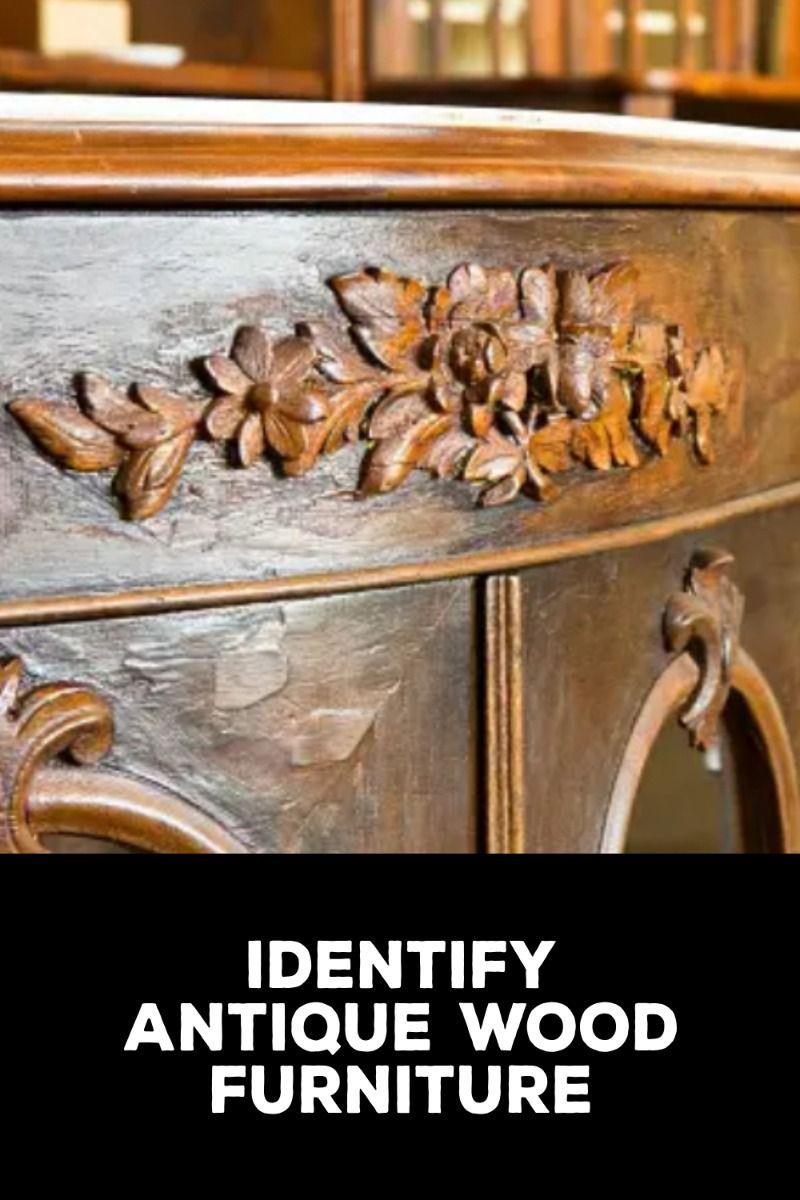
Beyond the designer's name, the intrinsic quality of a piece is a powerful indicator of its authenticity and value. Vintage designer furniture was built to last, and this is evident in the weight and feel of the materials used. Solid teak, walnut, or rosewood will feel dense and substantial, unlike the lightweight veneers used in modern reproductions. The joinery is another critical area to examine; look for techniques like dovetails, mortise and tenon joints, and finger joints, which are hallmarks of skilled craftsmanship. Screws and hardware should also be inspected; older pieces often use slotted screws, whereas modern reproductions might use Phillips-head screws. The presence of a manufacturer's original label, even if faded, is a strong positive sign, but it should be corroborated with other physical evidence. A high-quality piece will exhibit a consistent level of detail and finish throughout, from the visible surfaces to the underside of a chair or the inside of a cabinet, reflecting the pride and skill of its makers.
Navigating the Market: Choosing the Right Experts and Sellers
The ecosystem surrounding vintage furniture is diverse, ranging from high-end auction houses and specialized galleries to online marketplaces and estate sales. Choosing the right source is paramount to a successful acquisition. Reputable galleries and auction houses typically employ in-house experts and provide detailed condition reports and provenance documentation, offering a higher level of security but often at a premium price. Online platforms can be a treasure trove, but they require a high degree of vigilance; always scrutinize photos for details, ask sellers for specific information about markings and history, and be wary of deals that seem too good to be true. Building relationships with trusted dealers and experts is invaluable. They can become your eyes and ears in the market, alerting you to upcoming sales or rare pieces and providing trusted advice on authenticity. When engaging in a significant transaction, especially for Vintage Designer Furniture: How to Identify Authentic Pieces and Understand Their Value, consulting an independent appraiser before finalizing the purchase is a wise and often essential step.
The Role of Industry Standards and Ethical Sourcing
As the market for vintage design has grown, so too has the conversation around ethical sourcing and industry standards. Reputable dealers and collectors are increasingly aware of the importance of transparency and provenance, particularly concerning materials like ivory, tortoiseshell, or certain types of rosewood that are now regulated or banned. Ethical sourcing involves ensuring that pieces are acquired legally and that their history is not tied to illicit activities. Furthermore, the restoration and repair of vintage furniture should always be done with respect for the original design and materials. Poorly executed restorations, such as stripping an original finish or replacing hardware with modern components, can drastically reduce a piece's value and authenticity. Adhering to a code of ethics that prioritizes preservation over alteration is a mark of a true professional and helps maintain the integrity of the market as a whole.
Future Trends and the Evolving Market for Vintage Design
The future of the vintage designer furniture market is set to be shaped by several key trends. Sustainability will continue to be a primary driver, as consumers increasingly view the purchase of vintage items as an eco-friendly alternative to new production. Technology will also play a larger role, with blockchain-based provenance tracking and digital authentication certificates becoming more common, providing a new layer of security against forgeries. The tastes of collectors are also evolving; while mid-century modern remains a dominant force, there is growing interest in previously overlooked designers and movements, such as Italian Radical Design or French Art Deco. This diversification creates new opportunities for discovery and investment. As the market matures, the demand for expert authentication and appraisal services is likely to grow, reinforcing the critical importance of the knowledge and skills discussed in this guide.
Conclusion
The journey into the world of vintage design is one of discovery, appreciation, and investment. It requires a blend of passion, patience, and a commitment to learning. By understanding the historical context, honing your eye for detail, and leveraging the expertise of professionals, you can navigate this complex market with confidence. Whether you are drawn to the sculptural forms of a Vladimir Kagan sofa or the minimalist elegance of a Mies van der Rohe chair, the ability to verify authenticity is your most valuable tool. Mastering the principles of Vintage Designer Furniture: How to Identify Authentic Pieces and Understand Their Value transforms you from a casual buyer into a discerning collector, ensuring that every piece you acquire is not only a beautiful addition to your space but also a sound and enduring investment. Embrace the hunt, respect the history, and build a collection that tells a story.

 English
 Arabic
 French
 Spanish
 Portuguese
 Deutsch
 Turkish
 Dutch
Dutch
 Italiano
 Russian
 Romaian
 Greek
Greek