


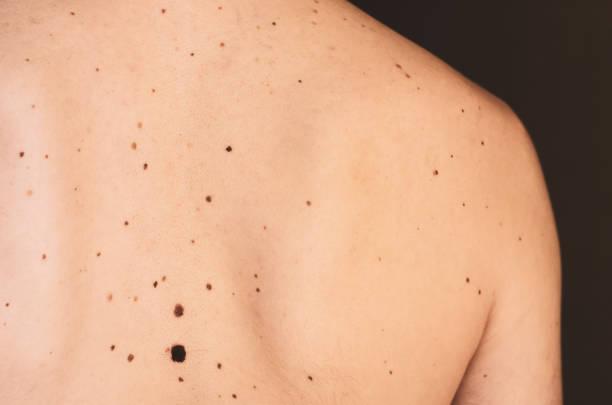
Mole removal is often treated as a minor cosmetic procedure, and in many cases it is. But treating it casually can lead to two problems: unnecessary removal of moles that should simply be monitored, or cosmetic removal of moles that actually required medical assessment. Making a safe decision begins with understanding what moles are, when they warrant attention, and how different removal methods compare. Mole Removal in Riyadh(إزالة الشامات في الرياض) Understanding Mole Removal in Riyadh properly means understanding the medical context before the cosmetic one.
What Moles Actually Are
Clusters of Pigment Cells
Moles are collections of melanocytes—the cells that produce pigment—that group together in the skin. Most are benign and remain stable throughout life.
Types of Moles
Common acquired moles appear during childhood and early adulthood. Congenital moles are present at birth. Atypical or dysplastic moles have irregular features and require monitoring.
Why Most Moles Are Harmless
Benign moles grow slowly, maintain consistent colour and shape, and do not change over time. These generally require no intervention.
Why Some Moles Require Attention
Moles that change in size, shape, colour, or texture, or that bleed, itch, or crust, may indicate malignancy and require prompt professional assessment.
Why This Matters
Anyone considering Mole Removal in Riyadh should first understand whether removal is cosmetic or medically indicated.
Recognising Moles That Need Assessment
The ABCDE Warning Signs
Asymmetry, Border irregularity, Colour variation, Diameter greater than six millimetres, and Evolution or change over time. These features warrant professional evaluation.
Additional Warning Signs
Bleeding, itching, crusting, or rapid growth should prompt urgent assessment.
Personal and Family History
A history of skin cancer, significant sun exposure, or many atypical moles increases the importance of regular monitoring.
When Cosmetic Concerns Are Valid
Many people remove moles purely for aesthetic or comfort reasons, which is entirely reasonable—provided the mole has been assessed as benign.
Why This Matters
Distinguishing between cosmetic and medical removal determines which method is appropriate and whether tissue analysis is required.
Removal Methods Compared
Surgical Excision
The mole is removed with a scalpel, including a small margin of surrounding skin. This allows the tissue to be sent for laboratory analysis, making it the preferred method when medical assessment is needed.
Shave Removal
The mole is shaved level with the skin surface. Suitable for raised, benign moles, though deeper cells may remain and cause regrowth.
Laser Removal
Laser energy removes the mole layer by layer. This may produce less scarring for certain superficial moles, but it does not allow tissue analysis.
Cryotherapy
Liquid nitrogen freezes and destroys the mole. Suitable for small, superficial lesions but less precise than other methods.
Why Method Selection Matters
The appropriate method depends on the mole's characteristics, location, and whether medical assessment is required.
Why This Matters
A Laser mole removal price discussion should always follow assessment, because the appropriate method varies by case.
What Happens During the Procedure
Consultation and Assessment
Your practitioner examines the mole, reviews your medical history, and determines whether removal is appropriate and which method suits your case.
Preparation and Anaesthesia
The area is cleaned, and local anaesthetic is administered to ensure comfort throughout.
Removal
Depending on the method, the mole is excised, shaved, or treated with laser energy. Most procedures take only minutes.
Closure
Surgical excision may require sutures, while other methods typically heal without stitches.
Why This Matters
Understanding the procedure reduces anxiety and helps you prepare appropriately.
Healing and Recovery Expectations
Immediate Aftercare
Keep the area clean and dry, follow dressing instructions, and avoid picking at scabs or crusts.
Healing Timeline
Superficial removal typically heals within one to two weeks. Surgical excision may take longer, particularly if sutures are used.
Scarring Considerations
Some scarring is inevitable with any method. Proper aftercare minimises its appearance over time.
Sun Protection
Freshly healed skin is highly photosensitive. Protecting the area prevents darkening and improves scar appearance.
When to Seek Advice
Increasing redness, pain, discharge, or unusual healing should prompt professional assessment.
Why This Matters
Recovery determines both the cosmetic outcome and whether complications develop.
Aftercare That Protects Your Result
Keep the Area Clean
Follow your practitioner's instructions for cleansing and dressing changes.
Avoid Picking and Scratching
Manipulating the healing area increases scarring risk and may cause infection.
Protect From Sun
Ultraviolet exposure darkens fresh scars. Use sunscreen and cover the area where possible.
Moisturise Gently
Once healed, gentle moisturising supports skin recovery.
Attend Follow-Ups
These allow assessment of healing and early identification of concerns.
Why This Matters
Diligent aftercare significantly influences how the final result looks.
Risks and Complications
Common Temporary Effects
Mild redness, swelling, and tenderness are normal and typically resolve quickly.
Scarring
Some scarring is expected with any removal method. Individual healing influences its final appearance.
Infection
Keeping the area clean reduces risk. Signs include increasing redness, warmth, and discharge.
Regrowth
Regrowth is possible, particularly with shave removal if deeper pigment cells remain.
Pigmentation Changes
Treated areas may darken or lighten temporarily. Sun protection reduces this risk.
Why This Matters
Understanding risks allows informed consent and early recognition of complications.
Choosing a Qualified Provider
Credentials and Training
Ask about specific training in mole removal and experience with your skin type.
Assessment Thoroughness
A practitioner who examines the mole carefully and discusses options demonstrates genuine care.
Realistic Discussion of Scarring
Honest conversation about expected scarring indicates integrity.
Aftercare Guidance
Detailed instructions indicate a practice invested in outcomes.
Why This Matters
A Laser mole removal price should never be the primary factor. Expertise and appropriate assessment matter far more.
Questions to Ask Before Removal
Does This Mole Need Medical Assessment?
Ask whether tissue analysis is advisable before proceeding.
Which Method Suits My Mole?
The answer should reference the mole's characteristics and location.
What Scarring Should I Expect?
Request honest assessment rather than reassurance.
How Long Will Healing Take?
Understanding the timeline helps you plan accordingly.
What Aftercare Will I Need?
Detailed instructions indicate a practice invested in outcomes.
Why This Matters
Informed decisions produce better outcomes and fewer regrets.
When to Seek Urgent Assessment
Rapid Changes
Sudden growth or change in appearance warrants prompt evaluation.
Bleeding or Crusting
These signs require professional assessment.
New Symptoms
Itching, pain, or tenderness in a previously stable mole should be evaluated.
Why This Matters
Early assessment of suspicious moles is far simpler than treating advanced skin cancer.
Final Thoughts: Safety Before Cosmetics
Mole removal is straightforward when performed appropriately, but safety requires distinguishing between moles that are benign and those that require medical evaluation. Understanding the types of moles, the warning signs, the available removal methods, and the healing process allows you to make an informed decision. Understand Mole Removal in Riyadh as a decision that begins with assessment rather than removal, and your treatment will rest on safer ground.
For those seeking expert guidance and customized aesthetic care, you can book an appointment consultation at the 'Enfield Royal Riyadh(إنفيلد رويال الرياض).
FAQs
How do I know if a mole needs removal?
If it changes in size, shape, or colour, or if it bleeds, itches, or crusts, seek professional assessment.
Which removal method is safest?
It depends on the mole. Surgical excision allows tissue analysis, making it preferable when medical assessment is needed.
Will mole removal leave a scar?
Some scarring is possible with any method, but proper aftercare minimises its appearance.
Can a mole grow back after removal?
Regrowth is possible, particularly with shave removal if deeper pigment cells remain.
When should I seek urgent assessment?
If a mole grows rapidly, bleeds, or develops new symptoms such as itching or pain.

 English
 Arabic
 French
 Spanish
 Portuguese
 Turkish
 Dutch
Dutch
 Italiano
 Russian
 Romaian
 Portuguese (Brazil)
 Greek
Greek