


Learner Licence in Tasmania: A Practical Guide for First-Time Drivers
Introduction
Being able to drive can make everyday life easier, particularly for professionals who commute, attend business meetings, or travel between workplaces. In Tasmania, earning a Learner Licence is the starting point for developing the skills needed to drive independently.
Understanding the rules before your first lesson can help you avoid common errors and prepare for the next stage of licensing. With regular practice and the right guidance, you can work towards your licence while keeping up with your professional and personal commitments.
1. Learn the Essential Learner Driving Rules
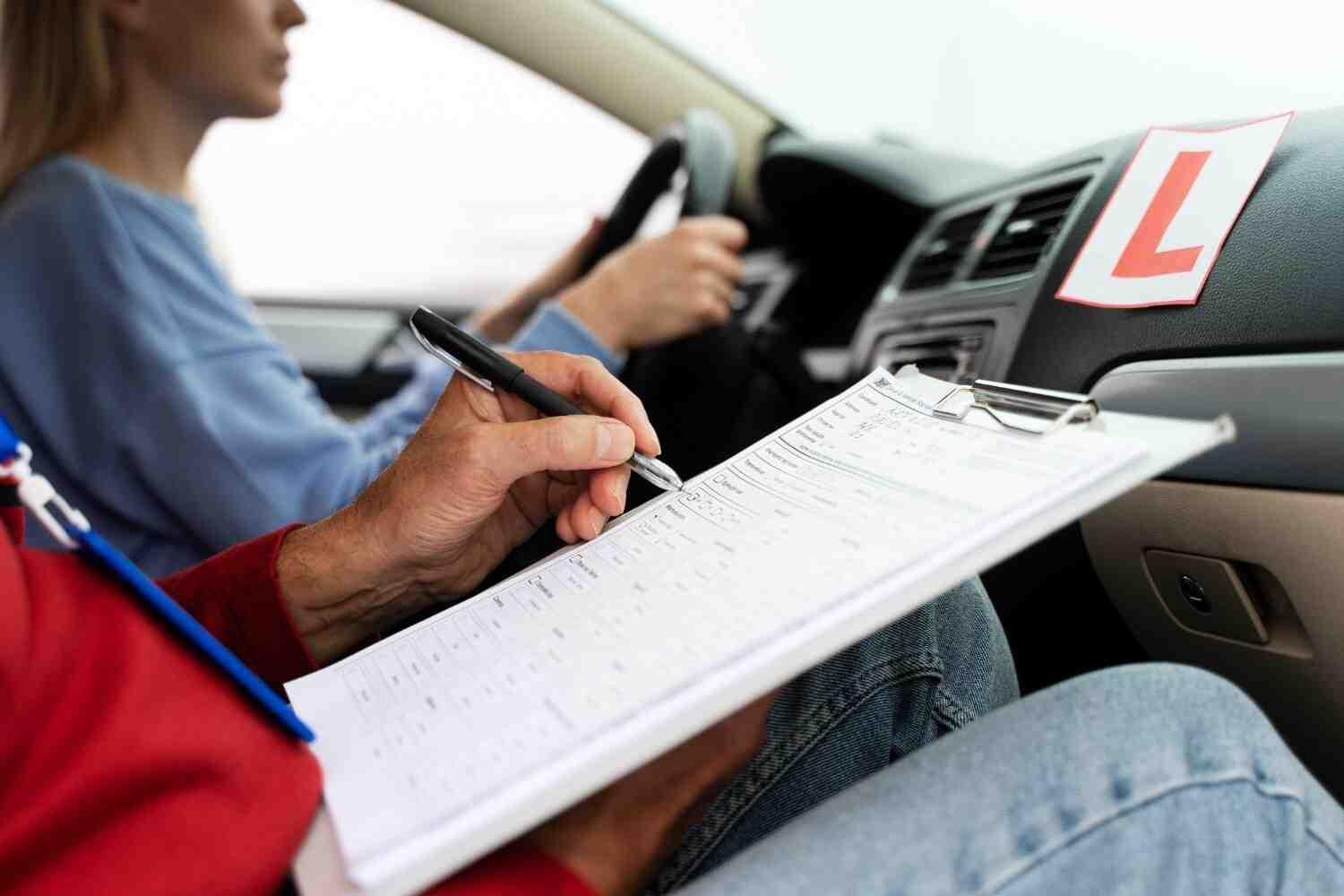
Before taking a vehicle onto the road, familiarise yourself with the conditions that apply to learner drivers in Tasmania. You must display L plates at the front and rear of the vehicle, carry your learner licence, and have an eligible supervising driver with you.
Learners must maintain a zero blood alcohol concentration and observe the maximum learner speed of 90 km/h, even if the road allows a higher speed. You are also not permitted to tow a vehicle or trailer.
Your supervising driver must meet Tasmania’s eligibility criteria, including holding an unrestricted full Australian car licence continuously for at least 12 months. Following these conditions helps you practise legally while developing safe driving habits.
2. Build Your Driving Experience Step by Step
A Learner Licence gives you time to develop your skills before progressing to a provisional licence. For new learners on Tasmania’s current pathway, this generally involves completing the required learner period, recording 80 hours of supervised driving—including 15 hours at night—and meeting the relevant assessment requirements.
Keep your logbook up to date and make sure your practice hours comply with the current rules. If you have a busy work schedule, plan sessions during weekends, before work, or whenever you have time available.
Use each drive to improve a particular skill. Practise parking, merging into traffic, changing lanes, and navigating roundabouts. Gradually experiencing different road conditions can help you become more comfortable making decisions behind the wheel.
3. Get Expert Support From a Driving School
Learning with a supervisor provides valuable experience, but professional driving lessons can help you improve specific skills more effectively. An instructor can explain unfamiliar road rules, point out mistakes, and show you how to respond safely to different traffic situations.
For professionals in Hobart, choosing a suitable driving school can make learning easier to organise around work commitments. Lessons can focus on the areas where you need additional practice, helping you use your available time productively.
Combining supervised driving with professional driver training allows you to practise independently between lessons while applying the techniques taught by your instructor. This can help you prepare for the practical assessment with a clearer understanding of what is expected.
4. Get Ready to Progress to Your P1 Licence
Before applying for your P1 licence, check that you have satisfied the current eligibility requirements and completed your supervised driving obligations. Make sure your logbook is accurate and confirm which assessments you need to pass.
Use your remaining practice sessions to strengthen essential skills, including checking mirrors and blind spots, maintaining safe distances, following road signs, and responding appropriately at intersections. If you struggle with a particular manoeuvre, spend extra time improving it.
Rather than rushing to book your assessment, focus on becoming a consistent and responsible driver. Careful preparation can help you approach the test with greater confidence.
Conclusion
Understanding Learner Licence rules is the foundation of learning to drive safely in Tasmania. Following the conditions, completing supervised practice, and taking professional driving lessons can help you develop the knowledge and skills needed for independent driving.

 English
 Arabic
 French
 Spanish
 Portuguese
 Deutsch
 Turkish
 Italiano
 Russian
 Romaian
 Portuguese (Brazil)
 Greek
Greek