


How to Choose the Best Fabric for a Toddler Kilt
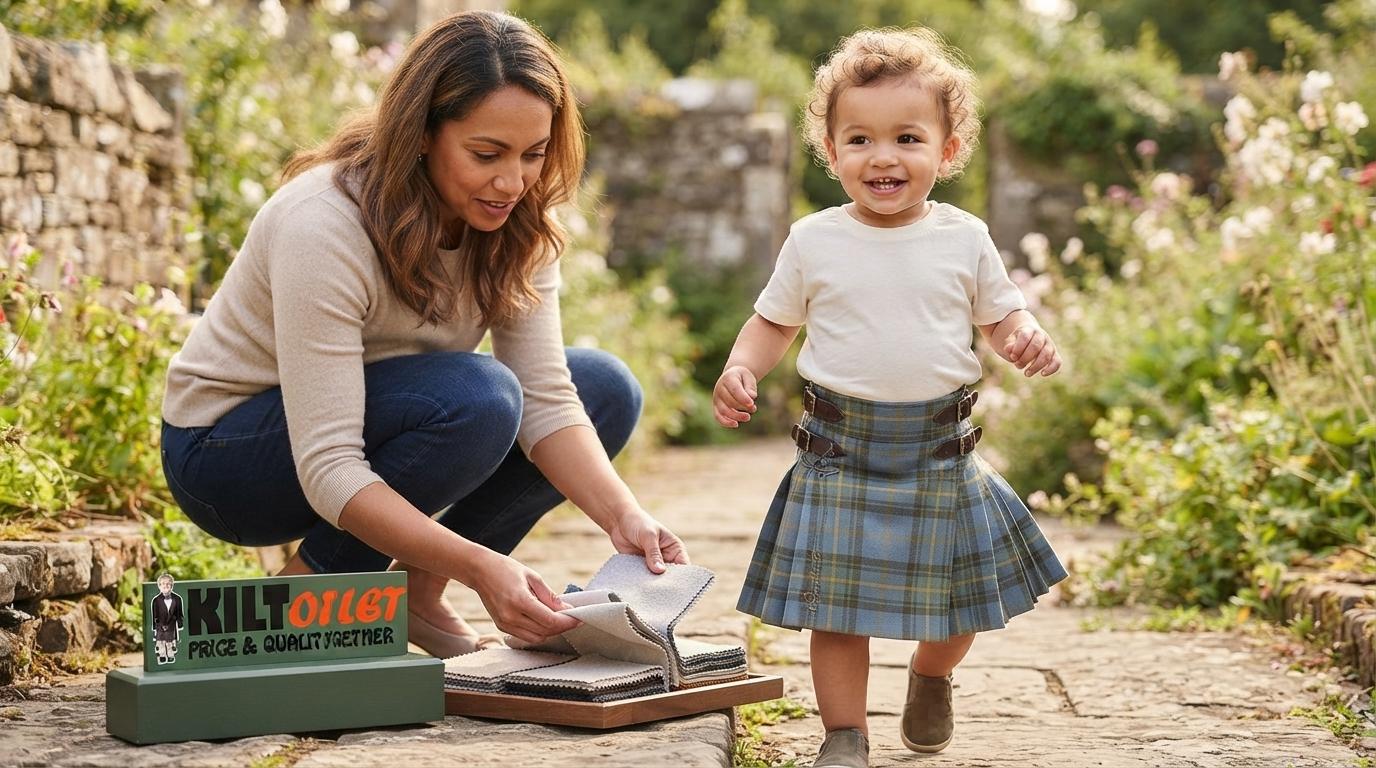
Choosing clothing for a toddler involves more than finding an attractive design. Children move constantly, spend time sitting and playing, and may wear an outfit for several hours during weddings or family celebrations. A rough, heavy, or uncomfortable material can quickly turn a special occasion into an unpleasant experience.
The fabric of a toddler kilt affects comfort, movement, appearance, and maintenance. Parents should consider the child's age, the event, the season, and how often they plan to use the garment before choosing a material.
Start With Comfort
Comfort should be the first consideration when selecting fabric for a young child. Toddlers often react quickly to clothing that feels rough, stiff, tight, or excessively warm.
Soft materials can make an outfit easier to wear for extended periods. The fabric should also allow enough movement around the legs so the child can walk, sit, and play without feeling restricted.
Parents should check the inside of the garment as well as the outer appearance. Seams, fasteners, and waistbands can affect comfort even when the primary fabric feels pleasant.
Cotton as a Practical Option
Cotton remains a familiar choice for children's clothing because it has a soft feel and works well for everyday wear. It can suit casual toddler kilts, especially when parents want a lighter and simpler garment.
Cotton fabrics come in different weights and finishes, so parents should check the specific material rather than assuming every cotton kilt will feel the same.
A lightweight cotton option may suit warm-weather events, while a heavier construction can provide a more structured appearance. The right choice depends on the occasion and the child's comfort.
Wool and Traditional Kilt Fabrics
Traditional-style kilts often use wool or wool-based fabrics. Wool can provide a structured appearance and works particularly well for formal or heritage-inspired outfits.
However, parents should consider the child's sensitivity to different materials. A toddler may prefer a softer lining or a garment that keeps direct contact with textured fabric to a minimum.
For formal events, traditional fabric can create a classic appearance. For casual use, parents may prefer lighter materials that require less preparation and feel easier to manage.
Lightweight Fabrics for Warm Weather
Summer weddings, outdoor celebrations, and family gatherings can expose children to warm conditions. A heavy garment may feel uncomfortable during these events.
Parents should consider lightweight fabric when temperatures are high. A lighter kilt can make movement easier and reduce the amount of material around the child's body.
The shirt and other layers matter too. Pairing a lightweight kilt with breathable clothing can create a more comfortable overall outfit.
Choosing Fabric for Cooler Weather
Cold-weather events require a different approach. Parents may prefer a heavier kilt fabric that works well with additional layers.
A toddler can wear a shirt, sweater, jacket, or other suitable layer depending on the event. The kilt should complement those layers without making movement difficult.
When choosing a heavier fabric, check the total outfit rather than judging the kilt by itself. Too many heavy layers can make an active toddler uncomfortable.
Durability Still Matters
Toddlers can put clothing through considerable everyday use. They sit on different surfaces, play, walk, and frequently come into contact with food and drinks.
A durable fabric can help the kilt handle normal use. Parents should also check stitching, fasteners, and waistband construction because the fabric represents only one part of the garment.
If the kilt will only appear at occasional formal events, durability may have a different priority than it would for a garment worn regularly.
Consider Maintenance Before Buying
Children's clothing often needs frequent cleaning. Before purchasing a toddler kilt, parents should check the manufacturer's care instructions.
Some fabrics require specialist cleaning, while others offer simpler maintenance. Parents should select an option that fits their ability to care for the garment properly.
Care instructions also help protect the fabric's appearance. Following the recommended washing, drying, and storage methods can help the kilt retain its shape.
Pay Attention to the Lining
The lining can make a significant difference in comfort. A soft lining can reduce direct contact between the child's skin and a textured outer material.
Parents should check whether the kilt includes a lining and what material the manufacturer uses. This detail becomes especially important when choosing a traditional or heavier fabric.
A comfortable lining can allow parents to select a structured outer fabric without sacrificing the child's comfort.
Match Fabric With the Occasion
A wedding may call for a more formal fabric, while a family gathering may suit something lighter and easier to maintain.
For photographs and formal ceremonies, structured materials can create a polished appearance. For outdoor celebrations, comfort and flexibility may deserve greater attention.
Parents searching for the Best Fabric Toddler kilt should compare softness, weight, durability, lining, care requirements, and seasonal suitability rather than choosing fabric based on appearance alone.
Check the Complete Garment
Fabric quality cannot compensate for poor construction. Parents should look at the waistband, stitching, fasteners, lining, and overall fit before making a purchase.
The kilt should allow the child to move naturally. A well-selected fabric combined with a comfortable fit can make the outfit much easier for a toddler to wear.
Final Considerations
Choosing fabric for a toddler kilt requires a balance between comfort, appearance, durability, and practicality. Parents should consider where and when the child will wear the garment before selecting a material.
A soft lightweight fabric can work well for warm events, while traditional or heavier materials may suit formal or cooler occasions. By checking fabric composition, lining, fit, and care requirements, parents can choose a kilt that looks special while keeping their child comfortable.

 English
 Arabic
 Spanish
 Portuguese
 Deutsch
 Turkish
 Dutch
Dutch
 Italiano
 Russian
 Romaian
 Portuguese (Brazil)
 Greek
Greek