


Blood Group & Rh Test: Understanding ABO and Rh Blood Types
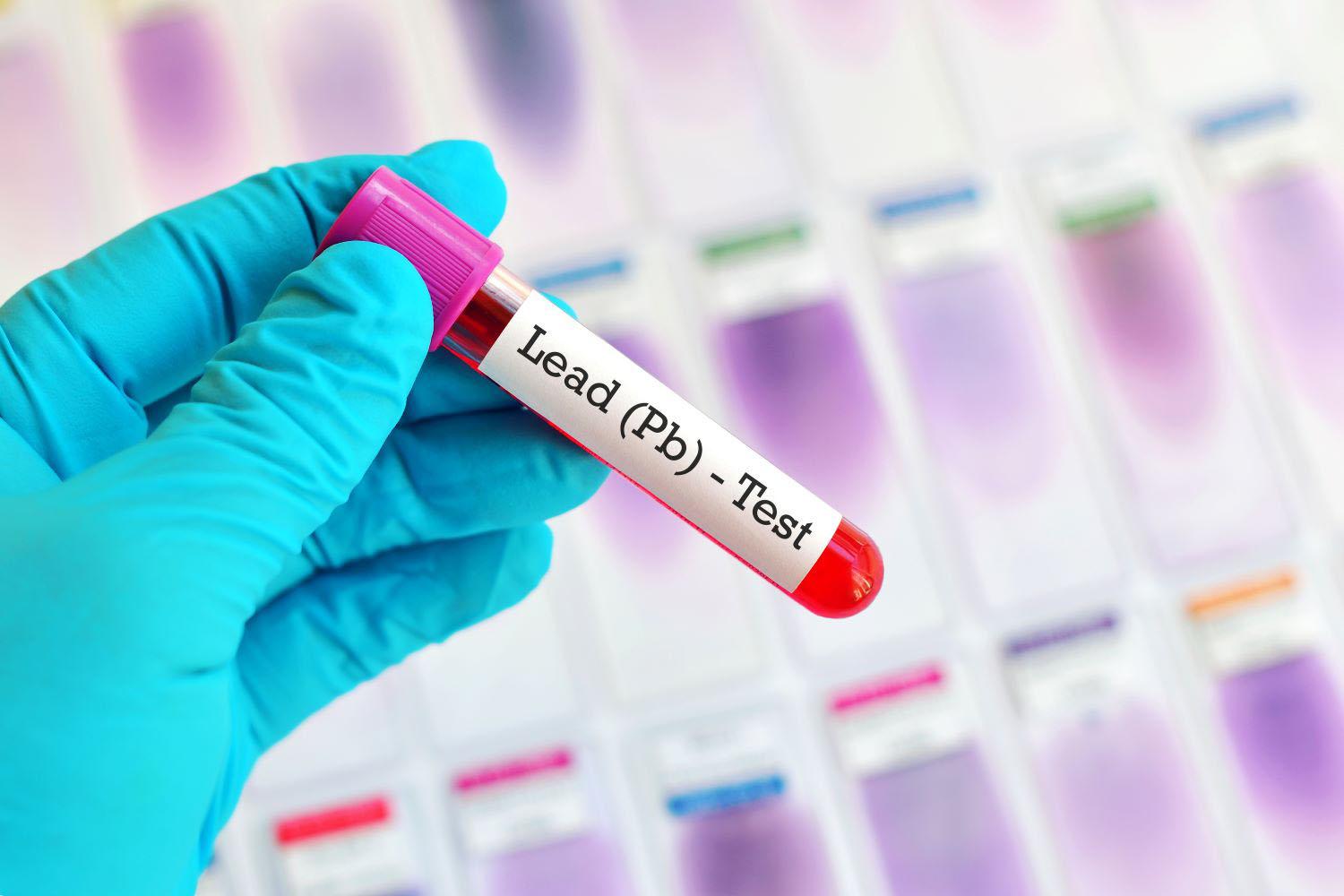
Your blood may look the same as anyone else's, but red blood cells carry specific markers that make each person's blood type different. A Blood Group & Rh Test in Dubai identifies two important characteristics: your ABO blood group and your Rh status.
The result may be reported as A positive, B negative, AB positive, O negative, or one of the other common blood type combinations. These results are especially important when blood transfusion compatibility must be assessed and during pregnancy when Rh status can influence prenatal care.
Understanding the ABO and Rh blood group systems makes it easier to understand what your laboratory result means and why healthcare professionals may request this test.
The Two Systems Behind Your Blood Type:
Your familiar blood type is actually a combination of two classifications.
The ABO blood group system identifies whether specific A or B antigens are present on the surface of your red blood cells.
The Rh blood group system commonly identifies whether the RhD antigen is present.
Together, these systems create the eight commonly recognized ABO and Rh blood types:
-
A positive
-
A negative
-
B positive
-
B negative
-
AB positive
-
AB negative
-
O positive
-
O negative
For example, "B positive" does not describe two separate diseases or conditions. It means the person belongs to blood group B and has the RhD antigen.
Understanding the ABO Blood Group System:
The ABO system is based on antigens found on red blood cells and naturally occurring antibodies in plasma.
An antigen is a substance that can be recognized by the immune system. The presence or absence of particular antigens determines whether a person's blood group is A, B, AB, or O.
Blood Group A
People with blood group A have A antigens on their red blood cells. Their plasma normally contains antibodies against B antigens.
Blood Group B
People with blood group B have B antigens on their red blood cells. Their plasma normally contains antibodies against A antigens.
Blood Group AB
People with blood group AB have both A and B antigens on their red blood cells.
Blood Group O
People with blood group O do not have A or B antigens on their red blood cells.
These differences are important because antibodies can react with incompatible red blood cell antigens. This is one of the main reasons ABO compatibility is carefully checked before transfusion.
The Rh Blood Group System Explained:
The Rh system is more complex than a simple positive or negative label because it includes several antigens. However, routine blood typing commonly focuses on the RhD antigen.
If the RhD antigen is present, the blood is described as Rh-positive.
If the RhD antigen is absent, the blood is described as Rh-negative.
So if your laboratory report says:
ABO: A
RhD: Positive
your blood type is A positive.
If it says:
ABO: A
RhD: Negative
your blood type is A negative.
The positive or negative label does not mean that your blood is healthier or less healthy. It simply describes the presence or absence of the RhD antigen.
How ABO and Rh Results Come Together?
Think of the two systems as separate pieces of information that are combined into one blood type.
For example:
ABO group: AB
Rh status: Positive
Overall blood type: AB positive
Or:
ABO group: O
Rh status: Negative
Overall blood type: O negative
This is why a Blood Group & Rh Test is sometimes called ABO and Rh typing.
The laboratory determines your ABO group and Rh status, then reports the combined result.
Why Red Blood Cell Antigens Matter?
The antigens on red blood cells are important because the immune system can recognize certain foreign antigens.
If incompatible blood is transfused, antibodies in the recipient's circulation can react with antigens on donor red blood cells. This can lead to a potentially serious transfusion reaction.
For this reason, blood typing is an essential part of transfusion medicine.
However, ABO and Rh status alone do not determine every aspect of transfusion compatibility. People can have antibodies against other red blood cell antigens, which is why additional testing may be required.
What Happens Before a Blood Transfusion?
When a transfusion is being considered, healthcare professionals generally use laboratory testing to establish the patient's blood group and assess compatibility.
Depending on the circumstances, testing may include:
-
ABO blood typing
-
Rh typing
-
Antibody screening
-
Crossmatching
An antibody screen looks for clinically significant antibodies that may react with donor red blood cells.
A crossmatch can then be used when appropriate to assess compatibility between the recipient's blood sample and selected donor blood.
This process provides a much more complete assessment than simply asking someone what their blood type is.
Why ABO and Rh Testing Matters During Pregnancy?
Blood group testing is also important during pregnancy, particularly because of the Rh factor.
If a pregnant person is Rh-negative and the fetus is Rh-positive, fetal red blood cells can sometimes enter the maternal bloodstream.
The immune system may respond by producing antibodies against the RhD antigen. This process is called Rh sensitization.
If significant antibodies are present, they can cross the placenta and potentially affect an Rh-positive fetus or newborn.
Does an Rh-negative Result Mean There Is a Problem?
No.
Being Rh-negative is a normal inherited characteristic. It does not mean that a person is sick or that pregnancy will necessarily have complications.
Instead, identifying Rh-negative status allows the healthcare team to assess whether additional testing or preventive care is appropriate.
When clinically indicated, anti-D immune globulin may be given to help prevent Rh sensitization.
The exact management depends on the pregnancy and the individual's clinical circumstances.
How Is Your Blood Type Determined?
A Blood Group & Rh Test usually requires a small sample of venous blood.
The sample is analyzed in a laboratory using methods that detect specific blood group antigens.
For ABO typing, the laboratory determines whether A and B antigens are present.
For Rh typing, the laboratory assesses whether the relevant RhD antigen is present.
The test is usually straightforward and does not normally require fasting when performed alone.
If other blood tests are ordered at the same time, those tests may have different preparation requirements.
Is Blood Type Inherited?
Yes. Your ABO and Rh characteristics are largely determined by genes inherited from your biological parents.
This is why blood types can run in families, although parents and children do not necessarily have identical blood types.
Different combinations of inherited genes can produce A, B, AB, or O blood groups and either Rh-positive or Rh-negative status.
Your blood type generally remains stable throughout life.
Can Blood Type Change?
Under normal circumstances, your ABO and Rh blood type does not change.
Rare medical circumstances can complicate blood group testing. Certain blood disorders, some cancers affecting blood-forming cells, or hematopoietic stem cell transplantation can affect blood group expression or how a sample is interpreted.
If a new blood type result appears inconsistent with a previous record, healthcare professionals can repeat the testing and investigate the reason.
For transfusion purposes, current laboratory testing is used when confirmation is necessary.
Does Your Blood Type Determine Your Health?
No.
Your ABO and Rh blood type is not a general health score.
Being A positive, O negative, or any other blood type does not tell you whether you have diabetes, anemia, high cholesterol, liver disease, or another medical condition.
Researchers have investigated associations between certain blood groups and particular health conditions, but these relationships do not mean that a specific blood type will cause a disease in an individual.
Blood type should therefore be understood as an inherited biological characteristic rather than a diagnosis.
When Is a Blood Group & Rh Test Used?
There are several situations in which ABO and Rh typing may be clinically useful.
Blood transfusion:
Blood group information helps healthcare professionals select appropriate blood products and perform compatibility testing.
Pregnancy:
ABO and Rh testing provides information needed for prenatal assessment, especially when the pregnant person is Rh-negative.
Surgery and medical procedures:
Blood typing may be performed when there is a possibility that blood products could be required.
Blood donation:
Donated blood is classified according to blood group and other characteristics so it can be appropriately managed.
Medical records:
Knowing your blood type can provide useful background information, although healthcare professionals may still confirm it with laboratory testing when clinically necessary.
Common Questions About ABO and Rh Blood Types:
What is the most important difference between ABO and Rh?
The ABO system classifies blood as A, B, AB, or O, while Rh typing commonly identifies whether the RhD antigen is present or absent.
Is Rh-positive better than Rh-negative?
No. Both are normal blood characteristics. The distinction matters because of compatibility and certain pregnancy considerations.
Is O negative an abnormal blood type?
No. O negative is a normal blood type.
Is AB positive a medical condition?
No. AB positive is simply an ABO and Rh blood type.
Do I need to fast for blood typing?
Fasting is generally not required for an ABO and Rh test performed by itself.
Can I know my blood type from my parents?
You may be able to determine possible blood types from parental genetics, but laboratory testing is the reliable way to confirm an individual's blood type.
What Your Blood Type Means in Everyday Terms?
If you receive a result such as A positive, it means your red blood cells have A antigens and the RhD antigen.
If your result is O negative, it means your red blood cells lack A and B antigens and also lack the RhD antigen.
If your result is AB positive, both A and B antigens and the RhD antigen are present.
These descriptions explain the biology behind your blood type, but they do not by themselves determine which blood products you can receive. Transfusion services use detailed compatibility procedures for that purpose.
Final Takeaway:
The Blood Group & Rh Lab tests combines two important systems of blood classification: ABO and Rh.
The ABO system identifies A, B, AB, or O blood group, while Rh typing commonly identifies whether the RhD antigen is present or absent. Together, these findings produce your familiar blood type, such as B positive or O negative.
Understanding these results is especially important in blood transfusion, pregnancy care, surgery, and blood donation. Your blood type is inherited and generally remains stable throughout life, but it is not a measure of your overall health.
If you receive an ABO and Rh result that you do not understand, ask your healthcare professional to explain it in the context of why the test was ordered. When transfusion or pregnancy care is involved, additional laboratory testing may be necessary to provide a complete picture of blood compatibility and guide safe medical care.

 English
 French
 Spanish
 Portuguese
 Deutsch
 Turkish
 Dutch
Dutch
 Italiano
 Russian
 Romaian
 Portuguese (Brazil)
 Greek
Greek