


Blood Group & Rh Test: How Blood Type Is Inherited
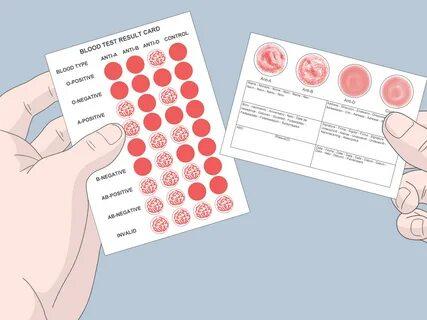
Have you ever wondered why a child may have a different blood type from both parents, or why two siblings can have different blood types? The answer lies in blood type inheritance.
Your blood group is largely determined by genes passed down from your biological parents. The familiar A, B, AB, and O blood types belong to the ABO blood group system, while the positive or negative part of a blood type usually refers to the RhD antigen.
A Blood Group & Rh Test in Dubai identifies these inherited blood characteristics by examining specific antigens on red blood cells. Understanding how inheritance works can make blood type results easier to interpret and can also explain why family blood types do not always appear to follow a simple pattern.
The Family Connection: Where Does Blood Type Come From?
Every person inherits genetic information from both biological parents. This includes genes involved in determining blood group characteristics.
For the ABO system, a child receives one ABO allele from each biological parent. The combination of these inherited alleles determines whether A, B, AB, or O antigens are expressed on the red blood cells.
The three commonly discussed ABO alleles are:
-
A
-
B
-
O
A and B are codominant, while O is generally recessive.
This means that the blood type seen on a laboratory report is the result of a particular genetic combination rather than a characteristic chosen by the body later in life.
The Four ABO Blood Groups Explained Through Inheritance:
How Blood Group A Is Inherited
A person with blood group A commonly has one of two ABO genetic combinations:
-
AA
-
AO
Both combinations result in A antigen expression.
An individual with AO blood group genetics has an A allele and an O allele but still has blood group A because A is expressed over the O allele in the usual ABO inheritance pattern.
This becomes important when that person has children because they may pass either A or O to their child.
How Blood Group B Is Inherited
Blood group B commonly results from:
-
BB
-
BO
Both combinations produce B antigen expression.
A person with BO blood group genetics has a B allele and an O allele. Although their blood type is B, they can pass the O allele to a child.
How Blood Group AB Is Inherited
AB blood type occurs when a person inherits:
-
A from one biological parent
-
B from the other biological parent
Because A and B are codominant, both antigens are expressed.
This produces blood group AB.
How Blood Group O Is Inherited
Blood group O generally occurs when a child inherits:
-
O from one biological parent
-
O from the other biological parent
The resulting OO combination does not produce A or B antigen expression in the usual ABO system.
This is why a child with blood group O generally needs an O allele from both biological parents.
Why Parents and Children Can Have Different Blood Types?
A child's blood type does not have to match either parent's visible blood type.
Consider two parents who both have blood group A.
If both carry an O allele, their genetic combinations could be AO and AO. Each parent can pass either A or O to the child.
Possible child combinations include:
-
AA
-
AO
-
AO
-
OO
The first three result in blood group A, while OO results in blood group O.
Therefore, two parents with blood group A can have a child with blood group O under the usual inheritance pattern.
This is one of the most common reasons family blood type results may initially seem surprising.
Can Two Different Blood Groups Have a Child With AB?
Yes, depending on the parents' genetic combinations.
For example, a parent who can provide an A allele and another parent who can provide a B allele can have a child with AB blood type.
Because A and B are both expressed when inherited together, the child displays both A and B antigens.
This illustrates why understanding the underlying genetic possibilities is more informative than simply comparing the letters shown on two blood test reports.
A Simple Look at Common Parent Combinations:
The following examples show typical ABO inheritance patterns:
| Parent blood groups | Possible child blood groups |
|---|---|
| O + O | O |
| A + O | A or O |
| B + O | B or O |
| A + A | A or O |
| B + B | B or O |
| A + B | A, B, AB, or O |
| AB + O | A or B |
| AB + AB | A, B, or AB |
These are simplified inheritance patterns based on the common ABO system. Real-world blood group interpretation can involve uncommon variants and should not be used as a standalone parentage test.
Where Does the Rh Factor Come From?
The positive or negative portion of your blood type is usually based on the RhD antigen.
If RhD is present, the person is generally described as Rh-positive.
If RhD is absent, the person is generally described as Rh-negative.
RhD status is also inherited from biological parents.
However, Rh inheritance is more complex than simply looking at whether each parent is positive or negative because Rh-related genes have different variants.
What Rh Combinations Can Parents Pass to Children?
If both biological parents are Rh-negative, their child will generally be Rh-negative.
If one parent is Rh-positive and the other is Rh-negative, the child may be either positive or negative depending on the specific genetic variants carried by the Rh-positive parent.
If both parents are Rh-positive, a Rh-negative child can still be possible in some inheritance patterns.
Therefore, knowing that someone is simply “Rh-positive” does not always reveal the complete genetic information needed to predict a child's Rh status.
Why Rh Inheritance Matters During Pregnancy?
Rh inheritance becomes particularly important during pregnancy.
An Rh-negative pregnant person may have an Rh-positive fetus. If fetal red blood cells enter the maternal bloodstream, the immune system can sometimes recognize the RhD antigen as foreign and develop antibodies.
This process is known as Rh sensitization.
Being Rh-negative does not mean that a pregnancy is automatically dangerous. It means that healthcare professionals may pay particular attention to Rh status and antibody screening.
An antibody screen helps determine whether relevant red blood cell antibodies are already present.
When clinically indicated, preventive anti-D immune globulin may be recommended according to applicable clinical guidance.
Blood Type Inheritance Is Not the Same as Rh Sensitization:
These concepts should be kept separate.
Blood type inheritance describes the genes and red blood cell antigens passed from parents to children.
Rh sensitization describes an immune response that can occur when an Rh-negative person is exposed to RhD-positive red blood cells.
A person can be genetically Rh-negative without ever becoming sensitized.
This distinction is important in prenatal care because an Rh-negative blood type alone does not indicate that antibodies are already present.
Can Siblings Have Different Blood Types?
Yes.
Siblings receive different combinations of genetic information from their parents. Therefore, two children in the same family can have different ABO and Rh blood types.
For example, if both parents carry genetic variants that allow several ABO outcomes, one child might inherit A-related alleles while another inherits an O combination.
Their Rh status may also differ depending on the genetic variants inherited from each parent.
Having different blood types does not mean that something is wrong with either child.
Does Blood Type Always Match a Parent?
No.
A child's blood type does not need to be identical to either parent's blood type.
For example, parents with A and B blood types may have children with A, B, AB, or, under certain common genetic combinations, O blood type.
Likewise, an A-type parent can have an O-type child if the other parent provides an O allele and the A-type parent also carries O.
The visible blood type does not reveal every allele a person carries.
Can Blood Type Be Used to Establish Biological Parentage?
No.
Blood type inheritance can sometimes identify combinations that are inconsistent with ordinary ABO inheritance, but it cannot reliably establish biological parentage.
Modern DNA testing is used when biological parentage needs to be determined because DNA analysis examines many genetic markers.
A Blood Group & Rh Test should therefore not be treated as a parentage test.
Why Blood Type Usually Remains the Same Throughout Life?
Because ABO and RhD blood type are largely genetically determined, they normally remain stable throughout life.
Diet, exercise, pregnancy, age, stress, and ordinary lifestyle changes do not normally alter your inherited blood group.
Certain medical circumstances can make blood typing more complicated, including recent transfusion, some blood disorders, and hematopoietic stem cell transplantation.
If two medical records show different blood types, healthcare professionals can repeat testing and investigate the reason.
How a Blood Group & Rh Test Confirms Inherited Blood Type?
A laboratory generally uses a blood sample to identify specific red blood cell antigens.
For ABO typing, the laboratory determines whether A and B antigens are present.
For Rh typing, the laboratory checks for the RhD antigen.
The resulting report may state:
-
A positive
-
A negative
-
B positive
-
B negative
-
AB positive
-
AB negative
-
O positive
-
O negative
When blood is needed for transfusion, additional tests such as an antibody screen and crossmatch may be performed to establish compatibility.
Why Knowing Your Blood Type Can Be Useful?
Understanding your blood type is useful in several medical situations.
Blood transfusion
ABO and Rh compatibility help healthcare professionals select appropriate red blood cells.
Pregnancy care
Rh status and antibody screening help identify pregnancies in which Rh sensitization may need to be prevented or monitored.
Surgery
Blood typing may be performed when there is a possibility that transfusion could become necessary.
Blood donation
ABO and Rh information helps blood services classify donated blood for appropriate use.
Medical records
Keeping a reliable blood type record can be useful, but healthcare teams still confirm blood type through appropriate testing when transfusion safety is involved.
What If Your Family Blood Types Seem Impossible?
Do not immediately assume that someone has the wrong parent or that a laboratory made a mistake.
Family blood type interpretation can become complicated because:
-
Blood types reveal phenotype, not the complete genetic profile.
-
Rare ABO variants can produce unusual laboratory patterns.
-
Rh inheritance is more complex than a simple positive-or-negative rule.
-
Records may contain errors.
-
Previous transfusions can complicate testing.
-
Uncommon medical circumstances can affect blood typing.
If the issue has medical significance, healthcare professionals can review the family history, repeat blood typing, and order specialized testing when appropriate.
Frequently Asked Questions About Blood Type Inheritance:
Is blood type inherited from both parents?
Yes. A child receives ABO-related genetic information from both biological parents.
Can an A-positive parent have an O-negative child?
Under ordinary inheritance, this depends on the other parent's ABO and Rh-related genetic variants. An A-positive parent can carry an O allele and may also carry genetic variants associated with Rh-negative status.
Can two O parents have an A child?
Under the usual ABO inheritance system, two group O parents are expected to have group O children. If testing produces an unexpected result, healthcare professionals should confirm the blood typing and investigate unusual explanations.
Can two Rh-positive parents have an Rh-negative child?
Yes, in some inheritance patterns, depending on the Rh-related variants carried by the parents.
Does blood type determine health?
No. Blood type is an inherited biological characteristic, not a general measure of health.
The Bottom Line:
Your Blood Group & Rh Lab tests reflects genetic information inherited from your biological parents. The ABO system produces A, B, AB, and O blood groups, while RhD inheritance determines whether the blood type is described as positive or negative.
Because each parent contributes genetic information, children and siblings can have different blood types. A child does not necessarily have the same blood type as either parent.
Understanding blood type inheritance is particularly useful for family genetics, pregnancy care, blood transfusion compatibility, and medical planning. However, blood typing cannot replace DNA testing for biological parentage.
If a family blood type pattern appears unusual, the best approach is careful laboratory confirmation and professional interpretation rather than making assumptions from the blood group letters alone.

 English
 Arabic
 French
 Portuguese
 Deutsch
 Turkish
 Dutch
Dutch
 Italiano
 Russian
 Romaian
 Portuguese (Brazil)
 Greek
Greek