


Bilirubin Total Test: Symptoms That May Lead to Testing
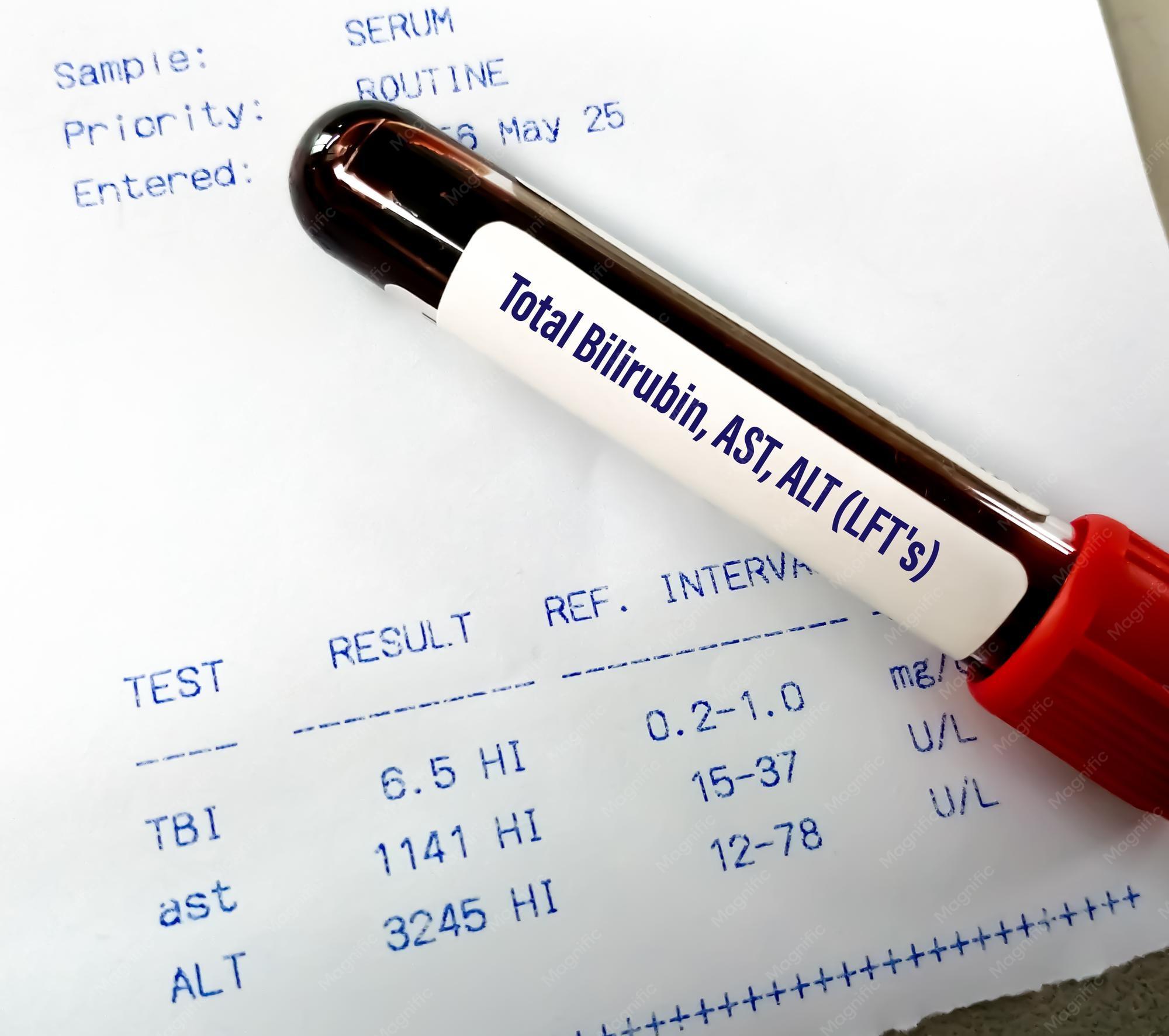
A Bilirubin Total Test is commonly ordered when a healthcare professional wants to investigate symptoms that may be related to the liver, bile ducts, gallbladder, or breakdown of red blood cells. One of the most recognizable reasons for testing is jaundice, but several other symptoms can also prompt bilirubin testing.
Bilirubin Total Test in Dubai is a yellow substance produced naturally when old red blood cells are broken down. The liver processes bilirubin and helps remove it from the body through bile. If bilirubin production increases, liver processing is affected, or bile flow becomes blocked, bilirubin can build up in the bloodstream.
Because symptoms can have many different causes, the bilirubin test is usually interpreted alongside other liver function tests, medical history, and physical examination findings.
Which Symptoms May Prompt a Bilirubin Total Test?
A bilirubin test may be considered when someone develops symptoms suggesting a possible problem with bilirubin metabolism, liver function, or bile flow.
Common symptoms that may lead to testing include:
-
Yellowing of the eyes or skin
-
Dark-colored urine
-
Pale or clay-colored stools
-
Unexplained itching
-
Abdominal pain or discomfort
-
Nausea or vomiting
-
Reduced appetite
-
Unusual tiredness
-
Fever associated with abdominal or liver-related symptoms
-
Signs of anemia or increased red blood cell breakdown
Not everyone with these symptoms has elevated bilirubin. Testing helps determine whether bilirubin levels are abnormal and provides information that can guide further evaluation.
Yellow Eyes or Skin: The Classic Reason for Bilirubin Testing
Jaundice is one of the most important symptoms associated with bilirubin.
It occurs when bilirubin accumulates in the body and causes the skin or whites of the eyes to appear yellow. Yellowing is often more noticeable in the whites of the eyes and can vary in intensity.
Jaundice is a sign rather than a specific disease. It may occur because of problems before bilirubin reaches the liver, problems within the liver, or difficulties removing processed bilirubin through the bile ducts.
For this reason, a person who develops unexplained jaundice may have a bilirubin test as part of the initial evaluation.
Dark Urine Can Provide an Important Clue:
Changes in urine color can sometimes accompany bilirubin abnormalities.
Dark urine may occur when conjugated bilirubin enters the urine. This type of bilirubin is water-soluble and can be eliminated through the kidneys.
However, dark urine does not automatically indicate a bilirubin problem. Dehydration, certain medications, foods, urinary conditions, and other factors can also change urine color.
When dark urine occurs together with yellow eyes, pale stools, abdominal symptoms, or other concerning changes, bilirubin testing may help clarify the situation.
Pale or Clay-Colored Stools and Bile Flow:
Stool normally becomes brown partly because of substances produced when bilirubin is processed and eliminated through bile.
If bile flow into the intestine is significantly reduced, stools may become unusually pale, gray, or clay-colored.
This can occur with certain conditions affecting the gallbladder or bile ducts. When pale stools appear alongside jaundice or dark urine, a healthcare professional may evaluate bilirubin and other liver-related markers.
Additional tests, including imaging, may sometimes be needed to investigate the bile ducts or gallbladder.
Itching Without an Obvious Skin Cause:
Persistent itching, particularly when it occurs with jaundice or other symptoms of impaired bile flow, can be another reason for medical evaluation.
Itching has many possible causes, including skin disorders, allergies, medications, and systemic conditions. It does not by itself indicate a bilirubin abnormality.
However, when itching occurs with yellow skin, dark urine, or pale stools, healthcare professionals may consider liver and biliary causes and order bilirubin testing as part of the evaluation.
Abdominal Pain and Bilirubin Testing:
Abdominal discomfort can have numerous causes, ranging from temporary digestive problems to conditions involving the liver, gallbladder, or bile ducts.
Pain in the upper right portion of the abdomen may lead a clinician to consider problems involving the liver or biliary system, especially when it occurs with:
-
Jaundice
-
Fever
-
Nausea or vomiting
-
Dark urine
-
Pale stools
-
Abnormal liver enzymes
A bilirubin test can provide additional information, but it cannot identify the exact cause of abdominal pain on its own.
Nausea, Vomiting, and Loss of Appetite:
Nausea, vomiting, and reduced appetite are nonspecific symptoms. They can occur with infections, gastrointestinal disorders, medication effects, pregnancy, and many other conditions.
When these symptoms occur together with jaundice, abdominal pain, abnormal liver enzymes, or other signs of illness, bilirubin testing may be included in a broader medical evaluation.
The purpose is not simply to confirm a liver problem. Instead, the test helps determine whether bilirubin metabolism or bile excretion may be involved.
Unexplained Fatigue May Lead to Broader Testing:
Fatigue is another common symptom that can have many explanations.
Liver disorders can sometimes cause tiredness, but fatigue alone does not indicate abnormal bilirubin. A healthcare professional may order several blood tests when fatigue is persistent or unexplained, depending on the person's symptoms and medical history.
If liver or blood-related causes are being considered, bilirubin may be measured alongside liver enzymes and a complete blood count.
Symptoms Related to Red Blood Cell Breakdown:
Not every bilirubin abnormality begins in the liver.
When red blood cells are destroyed faster than usual, the body produces more bilirubin. This process is called hemolysis.
A person with increased red blood cell breakdown may have symptoms related to anemia, such as:
-
Weakness
-
Fatigue
-
Shortness of breath with activity
-
Pale skin
-
Rapid heartbeat
In this situation, bilirubin testing may be combined with a complete blood count and other tests that evaluate red blood cell destruction.
This is one reason an elevated bilirubin level should not automatically be interpreted as evidence of liver disease.
How Does the Bilirubin Total Test Fit Into the Investigation?
The test measures the overall amount of bilirubin in the bloodstream.
Healthcare professionals may also request direct bilirubin and indirect bilirubin measurements. Total bilirubin generally represents both forms.
Indirect bilirubin mainly reflects unconjugated bilirubin before liver processing, while direct bilirubin mainly represents conjugated bilirubin after it has been processed by the liver.
The pattern can help clinicians consider whether the underlying issue may relate more closely to red blood cell breakdown, bilirubin processing, or bile flow.
What Other Tests May Be Ordered With Bilirubin?
A bilirubin result is often more informative when considered with other laboratory findings.
Depending on the symptoms, testing may include:
ALT and AST
These liver enzymes can provide information about possible liver cell injury.
Alkaline Phosphatase
This test may be particularly useful when impaired bile flow is being considered.
GGT
Gamma-glutamyl transferase can provide additional information about the liver and biliary system.
Albumin
Albumin is produced by the liver and can be included when assessing broader aspects of liver function.
Complete Blood Count
A CBC can help identify anemia and other blood abnormalities when red blood cell breakdown is part of the differential diagnosis.
The combination of symptoms and test patterns is generally more useful than any single result.
What Does a High Bilirubin Result Mean?
An elevated total bilirubin level is called hyperbilirubinemia.
Possible causes include:
-
Increased red blood cell destruction
-
Liver inflammation or injury
-
Certain liver diseases
-
Reduced bile flow
-
Gallbladder or bile duct disorders
-
Some medications
-
Inherited conditions such as Gilbert syndrome
The significance depends on the bilirubin level, direct and indirect pattern, other laboratory results, symptoms, and medical history.
A mildly elevated bilirubin result may have a very different explanation from a substantially elevated result accompanied by jaundice and abdominal pain.
Can Symptoms Occur With Normal Bilirubin?
Yes.
Symptoms such as fatigue, nausea, abdominal discomfort, or itching can occur even when bilirubin is within the laboratory reference range.
Likewise, some people with an abnormal bilirubin level may have few or no noticeable symptoms.
This is why the bilirubin test should not be used as a symptom checklist or as a standalone diagnostic test.
When Should Symptoms Be Evaluated Promptly?
New or unexplained jaundice deserves medical evaluation.
Prompt attention is particularly important when yellowing of the skin or eyes occurs with severe abdominal pain, fever, persistent vomiting, confusion, or significant weakness.
These symptoms can occur in several medical conditions, some of which require timely assessment.
What Happens After the Test?
A bilirubin test generally requires a small blood sample from a vein. The procedure usually takes only a few minutes.
Fasting is not always required for bilirubin testing alone, although preparation instructions can vary when several blood tests are ordered together.
After receiving the result, your healthcare professional may compare it with the laboratory's reference range and assess it alongside:
-
Direct and indirect bilirubin
-
ALT and AST
-
Alkaline phosphatase
-
GGT
-
Albumin
-
Blood counts
-
Symptoms and physical examination
-
Previous test results
If the result is abnormal, the next step depends on the suspected cause rather than the bilirubin number alone.
Frequently Asked Questions:
Is jaundice the only reason for a bilirubin test?
No. Bilirubin testing may also be performed for dark urine, pale stools, abdominal symptoms, abnormal liver tests, suspected blood disorders, or monitoring of certain conditions.
Does high bilirubin always mean liver disease?
No. Increased red blood cell breakdown and inherited conditions such as Gilbert syndrome can also raise bilirubin.
Can dark urine mean high bilirubin?
It can, particularly when conjugated bilirubin is elevated, but dark urine has many possible causes.
Can bilirubin be tested without symptoms?
Yes. It may be included in routine or broader laboratory evaluation, particularly when other liver tests are abnormal or a healthcare professional is monitoring a known condition.
What should I do if my bilirubin is high?
Discuss the result with your healthcare professional. The direct and indirect bilirubin pattern, other liver tests, symptoms, medications, and medical history can help determine what evaluation may be appropriate.
Key Takeaway:
The Bilirubin Total Lab tests can be an important part of investigating symptoms such as jaundice, dark urine, pale stools, itching, abdominal discomfort, nausea, unexplained fatigue, and signs associated with increased red blood cell breakdown.
However, these symptoms do not automatically mean that bilirubin is elevated or that liver disease is present. Bilirubin testing works best as part of a broader clinical assessment.
If you notice unexplained yellowing of your eyes or skin, especially when accompanied by significant abdominal pain, fever, vomiting, or other concerning symptoms, seek medical evaluation. Understanding the symptoms and the test together can help identify whether further liver, blood, gallbladder, or bile duct evaluation is needed.

 English
 Arabic
 French
 Spanish
 Portuguese
 Deutsch
 Dutch
Dutch
 Italiano
 Russian
 Romaian
 Portuguese (Brazil)
 Greek
Greek