


What Every Man Should Know About Dressing Well
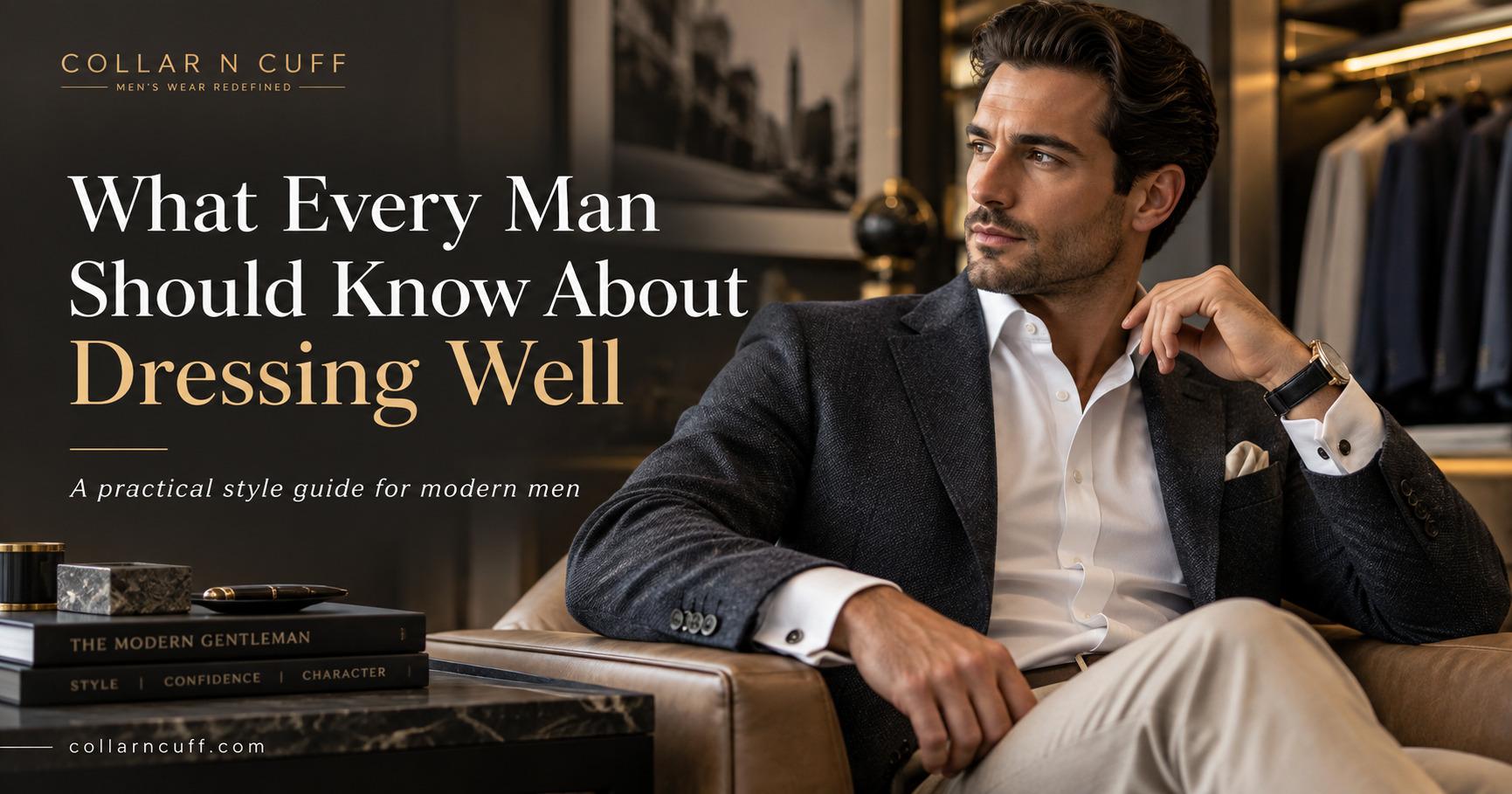
Dressing well does not mean wearing expensive clothes every day. It starts with knowing what looks good and feels right.
A good outfit can change how you carry yourself. CollarNCuff is one example of how classic clothing can meet modern tastes.
The best wardrobes are not always the biggest ones. They usually contain useful pieces that work in many different situations.
You do not need to follow every new trend. You also do not need a closet full of designer labels.
Good dressing is mostly about fit, comfort, color, and knowing the occasion. These simple things can make a big difference.
Start With Clothes That Fit Your Life:
Men's clothing comes in many styles and cuts. That can make shopping confusing for many men.
The easiest place to start is your daily routine.
Think about where you spend most of your time. Your clothes should match those places.
A man who works in an office needs different pieces from someone who works outdoors.
Someone who attends many weddings may need more formal options.
A student may need comfortable clothes for classes and casual plans.
Look at Your Daily Routine:
Take a quick look at your normal week.
Think about work, family events, dinners, weekends, and social plans.
Then check your closet.
You may already have enough clothes.
The problem could be that your pieces do not work well together.
A simple wardrobe can work better than a crowded one.
Buy Useful Pieces First:
Start with items you can wear often.
Plain shirts are a good example.
A white shirt can work with jeans or trousers.
A blue shirt can also work in many settings.
Simple trousers can be used for work and dinner.
A clean jacket can make a basic outfit look more polished.
Avoid Buying Everything Together:
Do not rush to fill your closet.
Buy one useful piece at a time.
Wear it with what you already own.
Then see what is missing.
This approach can save money.
It can also stop you from buying clothes that rarely get worn.
Fit Can Change the Whole Outfit:
Fit is one of the biggest parts of good dressing.
Even expensive clothes can look poor with the wrong fit.
Cheap clothes can look much better when they fit properly.
Check the Shoulders:
Start with the shoulders.
A shirt seam should sit close to your natural shoulder.
It should not hang far down your arm.
The same rule matters for jackets.
A poor shoulder fit can make a jacket look too large.
It can also make the jacket feel uncomfortable.
Check the Shirt Length:
A shirt should not be extremely long unless it has a specific design.
Casual shirts often work best when they have a clean shape.
Dress shirts can be longer because they are usually tucked in.
The right length depends on how you plan to wear the shirt.
Check Your Trousers:
Trousers should feel comfortable when you stand and sit.
They should not pull tightly around your waist.
The leg should also suit your body shape.
Some men prefer straight trousers.
Others prefer a slimmer cut.
Both can work when the overall fit looks balanced.
Do Not Chase the Perfect Size:
Sizes are not always the same between brands.
One brand's medium may feel like another brand's large.
Always check the actual fit.
Try the garment when possible.
Move around in it.
Sit down.
Raise your arms.
You will quickly notice whether something feels wrong.
Learn the Basics of Color:
You do not need to become an expert in color theory.
A few simple rules can help.
Start With Neutral Colors:
Neutral colors are easy to match.
White, black, navy, grey, beige, and brown are useful choices.
They can work with many other colors.
This makes your wardrobe easier to manage.
A navy shirt can work with grey trousers.
A white shirt can work with almost anything.
Brown shoes can work well with many warm colors.
Add Color Slowly:
Once your basics are covered, try stronger colors.
You could add green, burgundy, light blue, or olive.
You do not need bright colors everywhere.
One colorful piece can be enough.
Use One Main Feature:
Try letting one item stand out.
It could be a patterned shirt.
It could be a colorful jacket.
It could even be a pair of shoes.
Keep the rest simple.
This creates a cleaner outfit.
Be Careful With Patterns:
Patterns can add personality.
Too many patterns can make an outfit look busy.
If your shirt has strong stripes, use simple trousers.
If your jacket has a bold pattern, keep the shirt plain.
Small choices can make outfits easier to balance.
Dress According to the Occasion:
One outfit cannot work for every situation.
A wedding has different clothing needs from a casual lunch.
A job interview is different from a weekend trip.
Understand the Dress Code:
Always think about where you are going.
Formal events usually require cleaner and more structured clothing.
Casual events give you more freedom.
Smart casual sits somewhere between the two.
A clean shirt with trousers can work for many smart casual settings.
A jacket can make the same outfit feel more formal.
Think About the Setting:
Weather also matters.
Heavy clothing may look good in winter.
It can feel terrible during a hot summer day.
Light cotton and linen can be useful in warmer weather.
Layering works better when the weather changes during the day.
Cultural Events Need Their Own Style:
Many men attend weddings, Eid gatherings, dinners, and family events.
Traditional clothing can be a strong choice for these occasions.
A well-fitted kurta can look simple and refined.
A waistcoat can add structure to the outfit.
For formal weddings, a sherwani or tailored suit may be suitable.
The event should guide your choice.
Quality Is More Than a Price Tag:
A higher price does not automatically mean better clothing.
Look at the fabric.
Check the stitching.
Feel the garment.
Look at the finishing.
Pay Attention to Fabric:
Different fabrics work for different situations.
Cotton is comfortable and widely used.
Linen is useful during hot weather.
Wool can work well for jackets and colder conditions.
Blended fabrics can also offer useful features.
The best fabric depends on the garment and its purpose.
Look at the Details:
Check the buttons.
Look at the seams.
Check the collar.
Look inside the garment.
Small details can tell you how carefully an item was made.
Loose threads do not always mean poor quality.
However, repeated poor finishing deserves attention.
Think About Durability:
Ask yourself how often you will wear the item.
A basic shirt that gets regular use should handle regular washing.
A special jacket may need more careful care.
Think about the purpose before spending more money.
Comfort Should Never Be Ignored:
A good outfit should allow you to move.
You should be able to sit, walk, and work without constant adjustment.
Choose Comfortable Shoes:
Shoes deserve special attention.
You can wear a great outfit, but painful shoes can ruin the whole day.
Your shoes should fit properly.
They should also suit the activity.
Running shoes are not suitable for every formal event.
Formal shoes are not ideal for long walks.
Choose according to your plans.
Do Not Wear Clothes That Fight Your Body:
Very tight clothing can feel uncomfortable.
Very loose clothing can also become difficult to manage.
The goal is balance.
You want enough room to move.
You also want the clothing to keep its shape.
Comfort Can Improve Confidence:
When your clothes feel right, you usually think less about them.
You can focus on the person or task in front of you.
That is one reason fit matters so much.
Clothing should support you.
It should not distract you.
Take Care of Your Clothes:
Good dressing does not stop after buying clothes.
How you care for them also matters.
Follow the Care Label:
Check the label before washing an item.
Different fabrics need different care.
Some clothes can go into a washing machine.
Others may need gentle washing.
Some jackets need professional cleaning.
Do not treat every item the same way.
Store Clothes Correctly:
Hang shirts and jackets on suitable hangers.
Fold sweaters and knitwear when needed.
Give clothes enough space in your closet.
Crowded storage can create wrinkles.
It can also make finding clothes harder.
Keep Your Shoes Clean:
Shoes are easy to overlook.
Yet they can change the appearance of an outfit.
Clean your shoes regularly.
Use care products that suit the material.
Leather, suede, and fabric need different treatment.
Accessories Should Add Something:
Accessories can complete an outfit.
They do not need to be expensive.
Start With Simple Accessories:
A simple watch can work with many outfits.
A clean belt can finish a pair of trousers.
Sunglasses can be useful during outdoor activities.
A wallet should be practical and easy to carry.
You do not need many accessories at once.
Avoid Going Too Far:
Too many accessories can distract from your clothes.
Choose pieces that fit your overall style.
For a formal outfit, a watch and belt may be enough.
For casual clothing, you have more room to experiment.
Keep things balanced.
Build Your Own Personal Style:
Personal style takes time.
You may not know what suits you immediately.
That is completely normal.
Notice What You Enjoy Wearing:
Think about the outfits you wear most often.
Why do you choose them?
Maybe you like simple colors.
Maybe you prefer loose shirts.
Maybe you feel better in structured jackets.
These small details can reveal your personal taste.
Learn From Experience:
Your own experience is useful.
You learn which fabrics feel good.
You learn which colors suit your routine.
You learn which clothes survive regular use.
You also learn what you never wear.
That information can make future shopping much easier.
Keep a Small Record:
Take pictures of outfits you really like.
Look at them later.
You may notice combinations that work better than expected.
You can also keep notes about clothes you need.
This prevents random shopping.
Do Not Follow Every Fashion Trend:
Fashion trends can be fun.
But they are not always practical.
Something popular today may disappear next season.
Ask Yourself Three Questions?
Before buying something trendy, ask yourself:
Will I wear this often?
Can I match it with clothes I already own?
Does it suit my normal lifestyle?
If the answers are mostly no, think twice.
Your wardrobe should serve you.
You should not feel pressured to follow every trend.
A Simple Wardrobe Can Go a Long Way:
You do not need hundreds of items.
You need clothes that work together.
A useful wardrobe may include:
-
Plain shirts
-
Casual shirts
-
Well-fitting trousers
-
Comfortable jeans
-
A simple jacket
-
Formal shoes
-
Casual shoes
-
A good belt
-
Seasonal clothing
-
Traditional outfits
Your exact list will depend on your lifestyle.
Someone living in a hot climate may need more light clothing.
Someone working in an office may need more formal pieces.
There is no single wardrobe that fits every man.
Common Dressing Mistakes:
Even small mistakes can affect an outfit.
Wearing Poorly Fitted Clothes:
This is one of the most common problems.
A simple alteration can sometimes improve an outfit.
Ignoring Shoes:
Dirty or damaged shoes can make an otherwise clean outfit look unfinished.
Keep them clean and in good condition.
Wearing Too Many Colors:
Strong colors can work.
Too many at once can become distracting.
Start simple.
Add more color as you become comfortable.
Buying Without a Plan:
Random shopping often creates unused clothes.
Check your wardrobe first.
Then buy what you actually need.
Final Thoughts:
Dressing well does not have to be difficult.
You do not need a huge wardrobe.
You do not need expensive labels.
Start with clothes that fit properly.
Choose colors that work together.
Dress for the place and occasion.
Think about comfort.
Take care of what you already own.
Most importantly, learn what works for you.
Personal style grows through everyday experience.
Try different combinations.
Keep the ones that feel natural.
Leave behind the ones that do not.
Over time, getting dressed becomes much easier.
You stop guessing.
You know what works.
That is the real benefit of dressing well.

 English
 Arabic
 French
 Spanish
 Portuguese
 Deutsch
 Turkish
 Italiano
 Russian
 Romaian
 Portuguese (Brazil)
 Greek
Greek