


How Prosthetic Technology Helps Restore Everyday Mobility
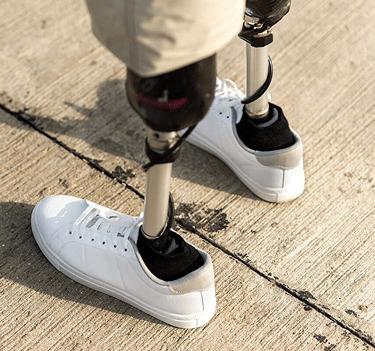
Modern prosthetic technology has changed the way people approach mobility after limb loss or serious physical limitations. Visiting a Best Orthotics Clinic can also help individuals understand how orthotic and prosthetic solutions may support comfort, balance, and movement. Today’s prosthetic devices are designed with improved materials, advanced fitting methods, and user-focused features that can make everyday activities easier and more natural.
Understanding Modern Prosthetic Technology
A prosthesis is an artificial limb designed to replace a missing part of the body and support functional movement. Older prosthetic designs were often heavier and less adaptable, while modern devices can use lightweight materials such as carbon fiber, titanium, and advanced polymers.
Technology has also improved the connection between the artificial limb and the user’s body. A properly fitted prosthesis can provide better stability and reduce unnecessary pressure on surrounding tissues. The right design depends on the person's limb level, physical condition, activity level, lifestyle, and mobility goals.
How Prosthetics Support Everyday Walking
Walking is one of the most important areas where prosthetic technology can make a difference. Modern prosthetic feet and knees can be designed to support different walking patterns and surfaces. Some systems provide controlled movement during different stages of walking, helping users transition more smoothly from one step to the next.
For people who regularly walk outdoors, adjustable or specialized components may provide additional support on uneven surfaces. Others may need a simpler design for indoor mobility and routine activities. A prosthetic specialist can assess these needs and recommend components that match the user's daily routine.
Improving Balance and Stability
Balance plays a major role in safe movement. Losing a limb can change how the body distributes weight, which may affect posture and stability. Prosthetic technology aims to provide a more balanced foundation while helping the user develop a consistent walking pattern.
Modern prosthetic feet can offer different levels of flexibility and energy return. Some designs are intended to respond to changes in walking speed or terrain. Better alignment and fitting can also help reduce unnecessary strain on the hips, knees, and lower back.
Advanced Prosthetic Knees and Microprocessor Systems
For individuals with above-knee amputations, the knee component is particularly important. Traditional mechanical knees rely mainly on physical mechanisms to control movement. Advanced microprocessor-controlled knees use sensors and computer processing to monitor movement and adjust resistance during different phases of walking.
These systems can respond to changes in speed and movement patterns. Depending on the device, they may help users manage activities such as walking on slopes, changing direction, or moving at different speeds. The technology does not eliminate the need for rehabilitation, but it can provide useful support when properly fitted and programmed.
Prosthetic Feet for Different Activities
Prosthetic feet come in many designs because users have different mobility requirements. A person who mainly walks at home may need different features from someone who spends long hours standing or regularly participates in recreational activities.
Energy-storing feet can bend under load and release energy as the user moves forward. Flexible designs may provide smoother transitions while walking. Some specialized feet are also designed to handle different outdoor conditions. Selecting the appropriate foot requires consideration of weight, activity level, walking environment, and comfort.
The Importance of Proper Fitting
Even advanced prosthetic technology cannot work effectively without proper fitting. The socket, which connects the prosthesis to the residual limb, must be carefully designed to provide support while minimizing excessive pressure.
Changes in body weight, swelling, muscle development, and activity can affect how a prosthesis fits over time. Regular assessments allow specialists to identify discomfort, alignment problems, or changes in mobility. A well-maintained prosthesis can also help users remain active and confident during daily activities.
Rehabilitation and Learning to Use a Prosthesis
Getting a prosthetic device is only one part of restoring mobility. Rehabilitation helps users learn how to control the device and develop safe movement patterns. Physical therapists may work on balance, strengthening, walking technique, transfers, and other functional skills.
Training can begin with basic movements before progressing to more challenging activities. Consistent practice can help users become more comfortable with their prosthesis and understand how it responds to different surfaces and movements.
Prosthetics and Daily Independence
Improved mobility can support greater independence in everyday life. With the appropriate prosthetic solution and rehabilitation, users may be able to perform activities such as walking around the home, using stairs, shopping, commuting, and participating in social activities more comfortably.
The goal is not simply to replace a missing limb. Modern prosthetic care focuses on helping individuals achieve practical mobility while considering comfort, safety, appearance, and personal lifestyle needs.
Choosing the Right Prosthetic Care
Every person has different mobility requirements, so prosthetic treatment should be individualized. A professional assessment can help determine the appropriate device, socket design, alignment, and rehabilitation approach. Regular follow-ups are also important because a person's needs can change over time.
Working with experienced specialists can make the process easier from the initial assessment through fitting, training, adjustment, and long-term maintenance. When advanced technology is combined with personalized care and rehabilitation, prosthetic solutions can become a valuable part of everyday mobility.
Conclusion
Prosthetic technology continues to improve through better materials, advanced sensors, microprocessor-controlled components, and more personalized fitting methods. These developments can help people manage walking, balance, and everyday activities with greater support. Choosing a Best Prosthetics Clinic can provide access to professional assessment, appropriate device selection, fitting, rehabilitation guidance, and ongoing care designed around individual mobility needs.

 English
 Arabic
 French
 Spanish
 Deutsch
 Turkish
 Dutch
Dutch
 Italiano
 Russian
 Romaian
 Portuguese (Brazil)
 Greek
Greek