


How Can Attic Mold Removal Ottawa Protect Your Home?
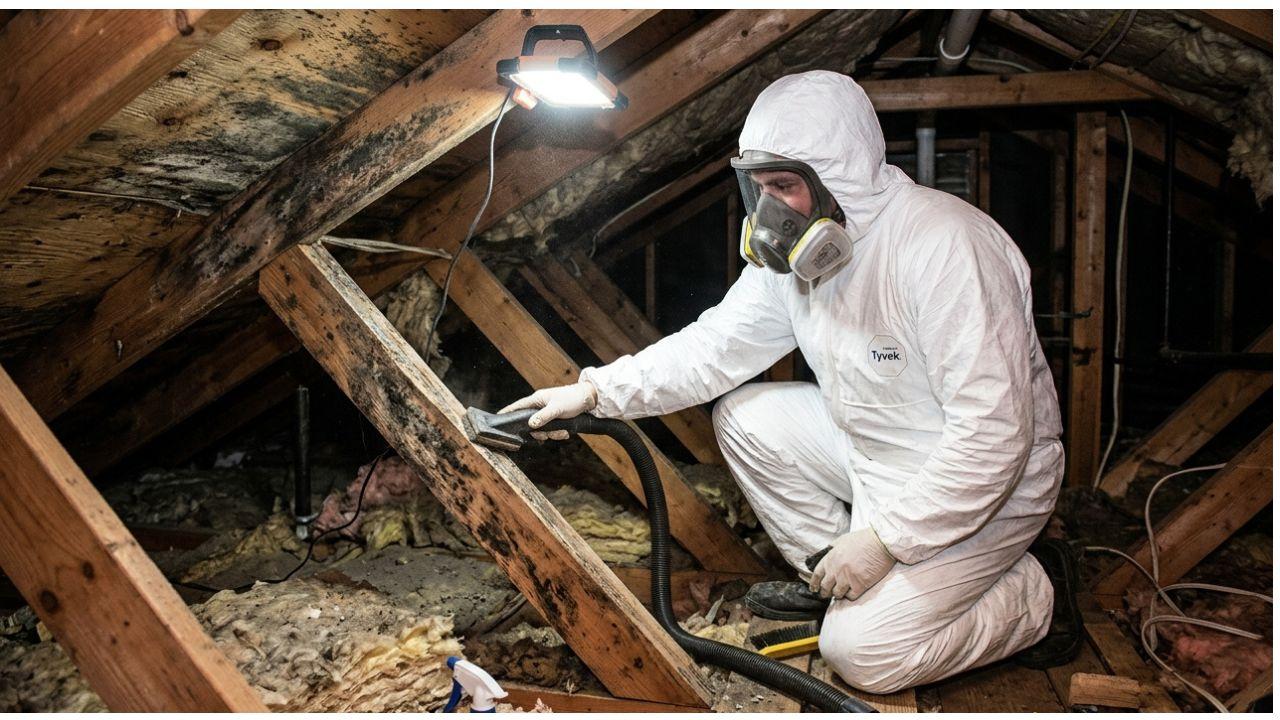
Attic mold is a common concern for homeowners, especially when moisture, condensation, poor ventilation, or roof leaks create favorable conditions for fungal growth. In Ottawa, seasonal temperature changes can make attic moisture problems particularly noticeable during colder months. When mold appears on roof sheathing, rafters, or insulation, simply wiping the visible surface may not address the underlying cause.
Attic mold removal Ottawa involves more than cleaning dark stains. Effective remediation should identify the moisture source, remove affected materials where necessary, clean contaminated surfaces safely, and improve attic conditions to reduce the chance of recurrence. Health Canada recommends investigating damp areas, including attics, and correcting moisture problems as part of mold remediation.
What Causes Attic Mold in Ottawa Homes?
Mold requires moisture and a suitable material on which to grow. Ottawa homes can experience several conditions that contribute to attic moisture.
Poor Attic Ventilation
Insufficient or improperly balanced ventilation can allow warm, humid air to remain trapped in the attic. During winter, warm indoor air can reach cold roof surfaces and condense, creating moisture that supports mold growth.
Roof Leaks
Damaged shingles, flashing problems, deteriorated roofing materials, or other openings can allow water to enter the attic. Even a small recurring leak can keep wood or insulation damp long enough for mold to develop.
Bathroom Exhaust Problems
Bathroom fans should exhaust moisture outdoors rather than into the attic. If a fan discharges warm, humid air into the attic, condensation can develop on cold surfaces and contribute to mold growth. Ottawa Public Health specifically recommends ensuring exhaust fans are properly vented outside rather than into the attic.
Insulation and Air Leakage
Poorly installed or insufficient insulation can contribute to temperature differences and condensation. Air leaks around attic hatches, plumbing penetrations, light fixtures, and other openings can also allow moisture-laden indoor air to enter the attic.
What Are the Warning Signs of Attic Mold?
Attic mold is not always immediately visible from the living areas of a home. Regular attic inspections can help identify problems before they become extensive.
Common warning signs include:
- Dark or discolored patches on roof sheathing
- A persistent musty or earthy odor
- Damp or deteriorating insulation
- Moisture or condensation on roofing materials
- Water stains on wood
- Visible fungal growth around rafters or roof decking
- Evidence of roof leaks
- Excessive attic humidity
Ottawa Public Health notes that mold may appear as stains, smudges, or hairy growth and can produce a musty smell.
Why Is Prompt Attic Mold Removal Important?
Ignoring attic mold can allow the problem to spread. Mold growth can affect porous building materials and may continue expanding when the moisture source remains unresolved.
Health Canada explains that mold can be hidden in damp areas and recommends inspecting spaces such as attics when moisture or mold is suspected.
There can also be indoor air-quality concerns. Mold spores are naturally present in the environment, but indoor mold growth should be addressed by controlling moisture and removing affected materials when appropriate. Ottawa Public Health states that some people can be more sensitive to mold exposure than others.
How Does Professional Attic Mold Removal Work?
A professional approach generally begins with an inspection rather than immediately cleaning the visible growth.
1. Inspection and Moisture Assessment
The first step is identifying where the moisture is coming from. Professionals may inspect roof areas, ventilation, insulation, exhaust ducts, and other possible sources.
2. Containment
When substantial mold contamination is present, appropriate containment can help limit the spread of spores and debris into other areas of the home.
3. Mold Removal and Cleaning
Affected surfaces are cleaned using methods appropriate for the material and severity of contamination. Severely damaged porous materials may require removal and replacement rather than simple surface cleaning.
4. Moisture Source Correction
Removing visible mold without correcting the moisture problem can allow it to return. Repairs may involve improving ventilation, correcting roof leaks, sealing air leaks, or fixing improperly routed exhaust ducts.
5. Insulation Assessment
Insulation that has been significantly contaminated or damaged by moisture may need professional removal and replacement. The appropriate solution depends on its condition and the extent of the problem.
6. Final Inspection
After remediation, the attic should be checked to confirm that the moisture source has been addressed and the affected area has been properly cleaned.
Can You Remove Attic Mold Yourself?
Small areas of household mold may sometimes be cleaned using appropriate protective measures. However, attic remediation can be more complicated because the space may involve insulation, roof sheathing, difficult access, electrical components, and hidden moisture.
Ottawa Public Health recommends protective equipment such as suitable eye protection, gloves, and a properly fitted N95 respirator when cleaning mold. It also advises that more extensive situations may warrant professional judgment.
For widespread growth, recurring mold, extensive moisture damage, or uncertainty about the source, professional assessment can provide a safer and more thorough approach.
How Can Ottawa Homeowners Prevent Attic Mold?
Prevention starts with moisture control. Homeowners can take several practical steps:
- Inspect the roof regularly for signs of damage.
- Keep attic ventilation functioning properly.
- Ensure bathroom and kitchen exhaust fans vent outdoors.
- Check for condensation during cold weather.
- Seal significant air leaks between the living space and attic.
- Monitor attic insulation for dampness or deterioration.
- Repair plumbing and roofing leaks promptly.
- Keep indoor humidity at an appropriate level.
Ottawa Public Health recommends controlling excessive moisture and maintaining indoor relative humidity below 50 percent as part of mold prevention.
Choosing an Attic Mold Removal Service in Ottawa
When comparing contractors, homeowners should look beyond basic mold cleaning. Ask whether the company investigates the moisture source, explains the proposed remediation process, addresses ventilation concerns, and provides a clear scope of work.
A professional service should also explain which materials can be cleaned and which may need replacement. The goal should be to address both the existing mold and the conditions that allowed it to develop.
About Attic Mold Removal Ottawa
For homeowners looking for specialized attic services, Attic Mold Removal Ottawa provides information and services focused specifically on attic mold remediation. The company states that its approach includes identifying moisture sources, mold removal, ventilation improvements, insulation handling, and post-remediation considerations. Its website also describes service coverage throughout the Ottawa region, including areas such as Kanata, Orléans, Barrhaven, Nepean, and Stittsville.
You can learn more about its attic-focused services, inspection process, and remediation approach by visiting https://atticmoldremovalottawa.ca/.
Conclusion
Attic mold should not be treated as merely a cosmetic problem. In many cases, visible growth indicates an underlying moisture, ventilation, condensation, or water-entry issue. Effective attic mold removal Ottawa should therefore focus on identifying the cause, safely addressing affected areas, and reducing the conditions that allow mold to return.
Regular inspections, proper attic ventilation, prompt roof repairs, appropriate insulation, and moisture control can all help protect an Ottawa home. When mold is extensive or the source is difficult to identify, professional assessment can help homeowners determine the most appropriate remediation strategy.

 English
 Arabic
 Spanish
 Portuguese
 Deutsch
 Turkish
 Dutch
Dutch
 Italiano
 Russian
 Romaian
 Portuguese (Brazil)
 Greek
Greek