


Jixingfeng Socks' Quality Assurance: What Sets Their Custom Knit Socks Apart
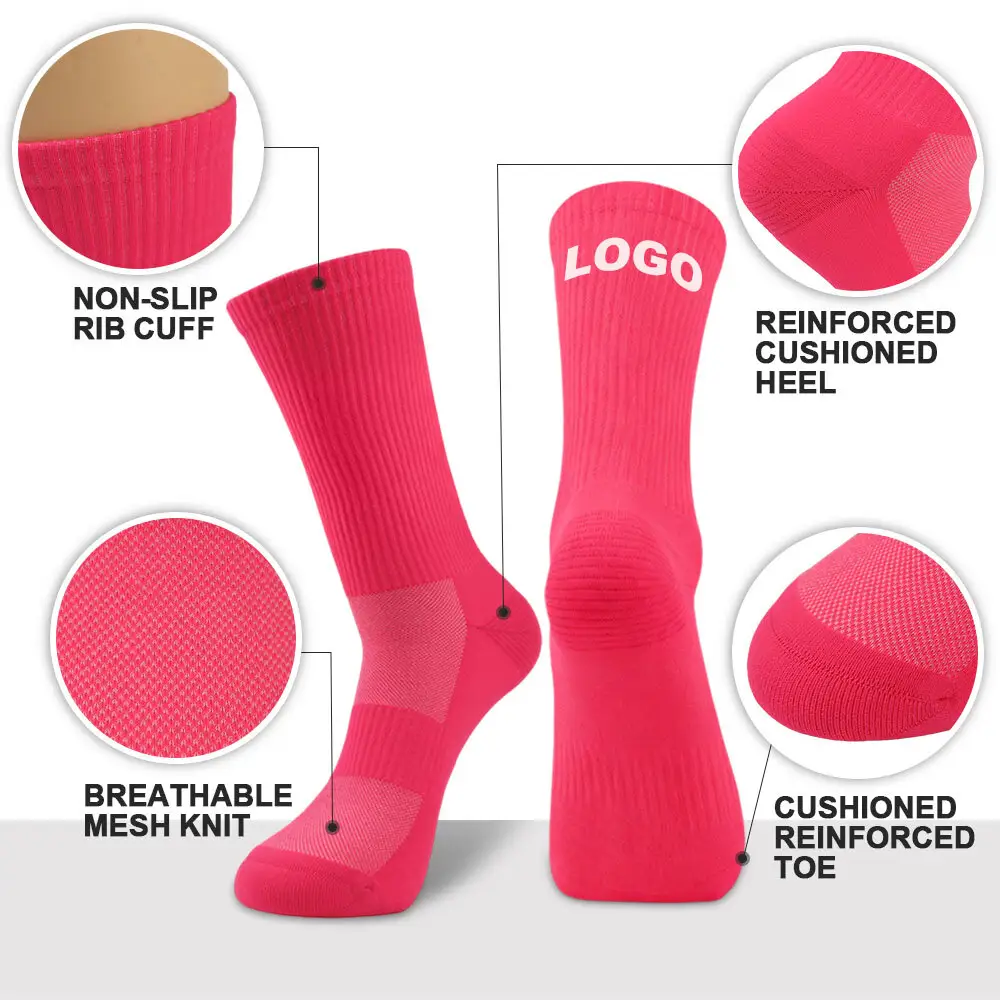
Quality assurance is one of those phrases that appears on every factory website and means very little without detail. What does a factory actually do to make sure each pair meets a standard? Who checks, when, and against what criteria? What happens when something fails? Buyers who ask these questions tend to find big differences between suppliers, even when their marketing language sounds identical. For socks, which are produced in huge numbers and sold in pairs, quality assurance needs to be practical and thorough. Here is how Jixingfeng Socks approaches the task, and which elements make a genuine difference in the custom knit socks it delivers to global brands.
Quality Begins with Specifications and Samples
Assurance starts with clarity. Before production, the brand and factory agree on specifications: yarn, size range, colors, decoration, packaging, and tolerances. A sample is approved as the benchmark. This step removes guesswork, since everyone can compare production against something real. The factory's one-day sampling and delivery in about seven days make it practical to refine samples until they are right. Buyers who take sample approval seriously, wearing and washing the samples and checking every detail, give the production team a clear target. Vague approval leads to vague results, while careful approval leads to consistent bulk orders.
Controls During Production
During manufacturing, operators monitor machines, watch for yarn breaks, and check knitting quality. Settings are verified at the start of each run, and sample pairs are examined at intervals. Finishing steps, such as washing, shaping, and decoration, are checked against standards. With more than five hundred and seventy machines running, consistent calibration and maintenance are essential. Problems detected early, such as a machine producing slightly uneven stitches, can be corrected before they affect large quantities. In-process control reduces waste and rework and supports predictable delivery times, which is a major benefit to brands working against tight launch dates and retail calendars.
One Hundred Percent Inspection Before Packaging
The most distinctive part of the system is full inspection. The company states that every order undergoes one hundred percent quality inspection before packaging. Inspectors check each pair for dropped stitches, holes, uneven toes, color differences, loose threads, stains, sizing errors, and decoration flaws. Defective pairs are removed. This is slower and more expensive than checking a small sample, but it provides much stronger protection for the buyer's reputation. A single faulty pair can trigger a customer complaint, a negative review, or a retailer's chargeback, so catching defects at the source is far more economical than dealing with them in the market.

Systems, Certifications, and Traceability
Good intentions need structure. The factory holds ISO 9001 certification, which requires documented procedures, defined responsibilities, and regular reviews of quality performance. Other credentials, including SGS, SEDEX four-pillar, and RBI, add testing and ethical standards to the picture. Documentation allows defects to be traced back to specific machines, materials, or steps so that causes can be corrected. This habit of learning from problems improves quality over time. For buyers, it means the factory is not only inspecting but also improving, which leads to fewer defects in future orders and a steadily more reliable supply relationship.
What Buyers Can Do to Verify Quality
Buyers should treat quality assurance as a partnership. Ask for details of inspection procedures and request photos or videos from the inspection area. Consider third-party inspections for important orders. When goods arrive, check several cartons against the approved sample and wash-test a few pairs. Report any issues promptly with photos so they can be resolved fairly. Share feedback on what works, since suppliers improve fastest when customers are specific. Combined with the factory's own controls, this shared attention helps ensure that the socks reaching customers match what was promised, and that quality remains a strength rather than a recurring worry. Quality assurance, in short, is not a single department or a final check but a habit repeated at every stage, and buyers who understand that habit are better placed to choose partners who will protect their reputation.

 English
 Arabic
 French
 Spanish
 Portuguese
 Turkish
 Dutch
Dutch
 Italiano
 Russian
 Romaian
 Portuguese (Brazil)
 Greek
Greek