


Monosodium Phosphate: Properties, Uses and Applications
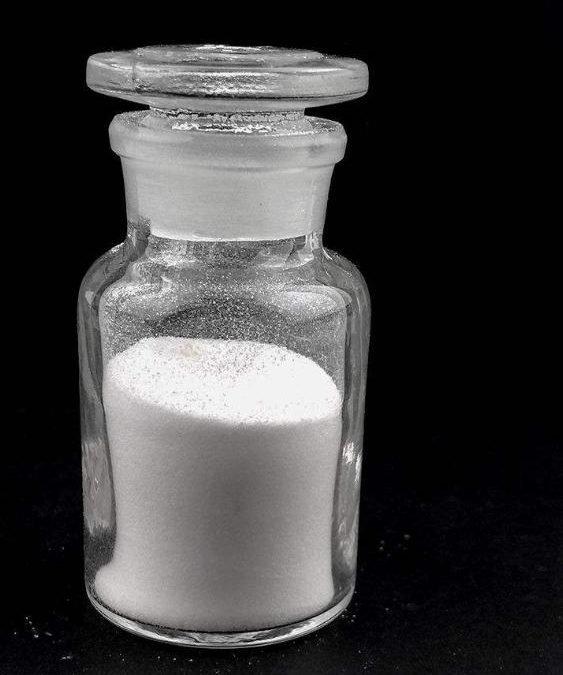
What Is Monosodium Phosphate
Monosodium phosphate — also known as sodium dihydrogen phosphate or NaH2PO4 — is a sodium phosphate salt with the chemical formula NaH2PO4. Unlike trisodium phosphate, which is strongly alkaline, monosodium phosphate is a mildly acidic salt that dissolves to produce solutions in the pH range of 4 to 5. This acidic character, combined with the phosphate's role as one component of the widely used phosphate buffer system, makes مونو سدیم فسفات important in pharmaceutical, food processing, and analytical chemistry applications where precise pH control in the slightly acidic range is required.
Pharmaceutical Buffering Applications
The combination of monosodium phosphate and disodium phosphate — the two conjugate acid-base pair components of the phosphate buffer system — is one of the most important buffer systems in pharmaceutical formulation science. The phosphate buffer system provides reliable pH control in the range from approximately pH 5.8 to 8.0, which encompasses the physiological pH range relevant for injectable solutions, ophthalmic preparations, and other pharmaceutical dosage forms that must be formulated at physiological pH for patient comfort and drug stability. Monosodium phosphate is the acidic component of this buffer pair, providing the proton source that resists pH increase in buffered systems.
Food Processing Applications
Food-grade monosodium phosphate is used in the food industry as a pH control agent, an emulsifier, and a component of leavening systems. In processed meat products, monosodium phosphate contributes to pH management that affects protein functionality — water binding capacity, texture, and color stability of processed meats. In beverages, it serves as an acidulant and pH stabilizer. And in baking, monosodium phosphate is used in combination with sodium bicarbonate in some leavening systems where its acidic character activates the bicarbonate leavening.
Water Treatment and Corrosion Control
Water treatment applications use monosodium phosphate as a component of corrosion inhibitor programs for metal surfaces in contact with water systems. The phosphate anion from dissolved monosodium phosphate contributes to the formation of protective iron phosphate or calcium phosphate scale on metal surfaces in distribution systems and cooling water systems. In combination with zinc ions and other inhibitor components, phosphate-based corrosion inhibitors provide effective protection against corrosion of steel, copper, and galvanized surfaces in industrial water systems.
Buffer Solutions in Analytical Chemistry
Laboratory and analytical chemistry applications use monosodium phosphate as a primary component of standard phosphate buffer solutions used for pH meter calibration and as chromatographic mobile phase buffer components. Precise preparation of these buffers requires high-purity monosodium phosphate with accurately known water content, as analytical grade certificates of analysis provide the purity information needed to prepare buffer solutions of accurately known composition and pH.
Cleaning and Industrial Process Applications
Industrial cleaning formulations use monosodium phosphate as a pH modifier and sequestrant component. Its mildly acidic character makes it useful in formulations designed for the removal of alkaline scale deposits and for the cleaning of surfaces where neutral to slightly acidic conditions are appropriate. Sequestration of calcium and magnesium ions by the phosphate anion contributes to the cleaning efficacy of monosodium phosphate-containing formulations in hard water conditions.
Grade Selection and Procurement
Industrial buyers of monosodium phosphate should specify the appropriate grade — food grade, pharmaceutical grade, or technical grade — and confirm purity specifications including assay, heavy metal content, and moisture content relevant to their intended application. The anhydrous form and the monohydrate form are both commercially available, with different moisture contents that must be accounted for when preparing solutions of precisely known concentration.

 English
 French
 Spanish
 Portuguese
 Deutsch
 Turkish
 Dutch
Dutch
 Italiano
 Russian
 Romaian
 Portuguese (Brazil)
 Greek
Greek