


How Circular Economy Principles Shape Sprintpackage's Paper Cylinder Packaging Philosophy
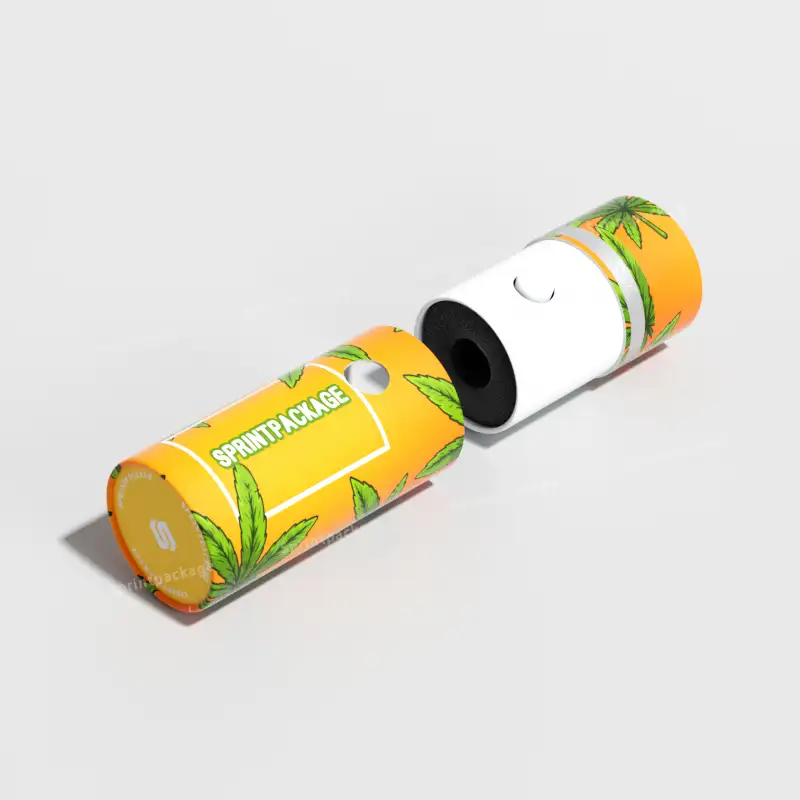
The old model of packaging was linear: take resources, make a product, use it briefly, throw it away. A circular approach tries to keep materials in use for as long as possible, designing packaging so that it can be reused, recycled, or returned safely to nature. Paper tubes are natural candidates for this thinking, since paper fibre can be recycled several times and many tubes can be reused by customers at home. Sprintpackage highlights recycled, recyclable, and biodegradable options in its paper tube range. This article explains how circular principles apply to paper cylinder packaging, and how brands can adopt them without sacrificing protection or appearance.
Designing for Recycling
Circular packaging starts at the design stage. The simplest tubes, made from a single material with minimal coatings, are easiest to recycle. Mixed materials, such as paper with plastic films or metal parts, complicate recycling unless components can be separated easily. Choose water-based inks, thin coatings, and removable parts when possible. Ask your supplier whether the finished tube is accepted in normal paper recycling streams in your market. The company emphasizes recyclable construction, and buyers can request specifics. Clear instructions on the tube help customers dispose of it correctly, which makes the circle work in practice.
Using Recycled Inputs
A circular system also depends on demand for recycled material. Choosing tubes made partly or fully from recycled fibre supports that demand and reduces use of virgin resources. The website lists recycled cardboard and kraft options. Ask for recycled content percentages and the source of fibre, and be careful when making claims. Recycled material may change appearance and strength, so adjust design and structure accordingly. For brands, using recycled inputs strengthens sustainability credentials and can be a visible part of the product story, especially when explained honestly on the tube.
Encouraging Reuse
The most circular packaging is the one that is not thrown away at all. Sturdy tubes can become pen holders, storage containers, plant pots, or decorative items. Designers can encourage reuse by making the tube attractive, durable, and easy to reclose. A short message printed on the tube suggesting ideas for reuse reminds customers of the possibility. Reuse extends the life of the packaging and keeps the brand present in homes. When planning, consider wall thickness, lid quality, and surface finish, since reuse requires a tube that remains pleasant to look at and use after the first opening.

Reducing Waste in Production and Shipping
Circular thinking includes the whole supply chain. Efficient design reduces offcuts, and leftover paper can often be recycled. Right-sized tubes lower the need for filler and reduce freight volume. Optimized carton packing means fewer shipments and lower emissions. Ask your supplier how scrap is handled and whether packing methods can be improved. Order quantities that match demand avoid unused stock that ends up as waste. Small operational choices, repeated across thousands of units, add up to meaningful reductions in resource use and cost. Keep these points in mind whenever you compare paper cylinder packaging options for your own products.
Communicating Circular Choices Honestly
Customers are increasingly skeptical of environmental promises. Communicate facts instead of slogans: what the tube is made of, whether it contains recycled material, and how to recycle or reuse it. Support claims with documents from your supplier and avoid terms you cannot prove. Include recognized recycling symbols for your market. Invite feedback and keep improving. Circular principles are not a finish line but a direction of travel, and brands that move steadily in that direction, with transparency and practical steps, build trust that benefits both the environment and the business. Small, steady steps toward circular packaging, such as simpler materials, clearer instructions, and designs people want to keep, tend to deliver more lasting benefit than grand promises, and they give brands real results they can describe truthfully to a skeptical public. Written specifications, physical samples, and open communication remain the most dependable tools a buyer has, and using them consistently turns good intentions into packaging that performs.

 English
 Arabic
 French
 Spanish
 Portuguese
 Turkish
 Dutch
Dutch
 Italiano
 Russian
 Romaian
 Portuguese (Brazil)
 Greek
Greek