


Offshore Accounting Services: Managing Growth Without Growing the Accounting Burden
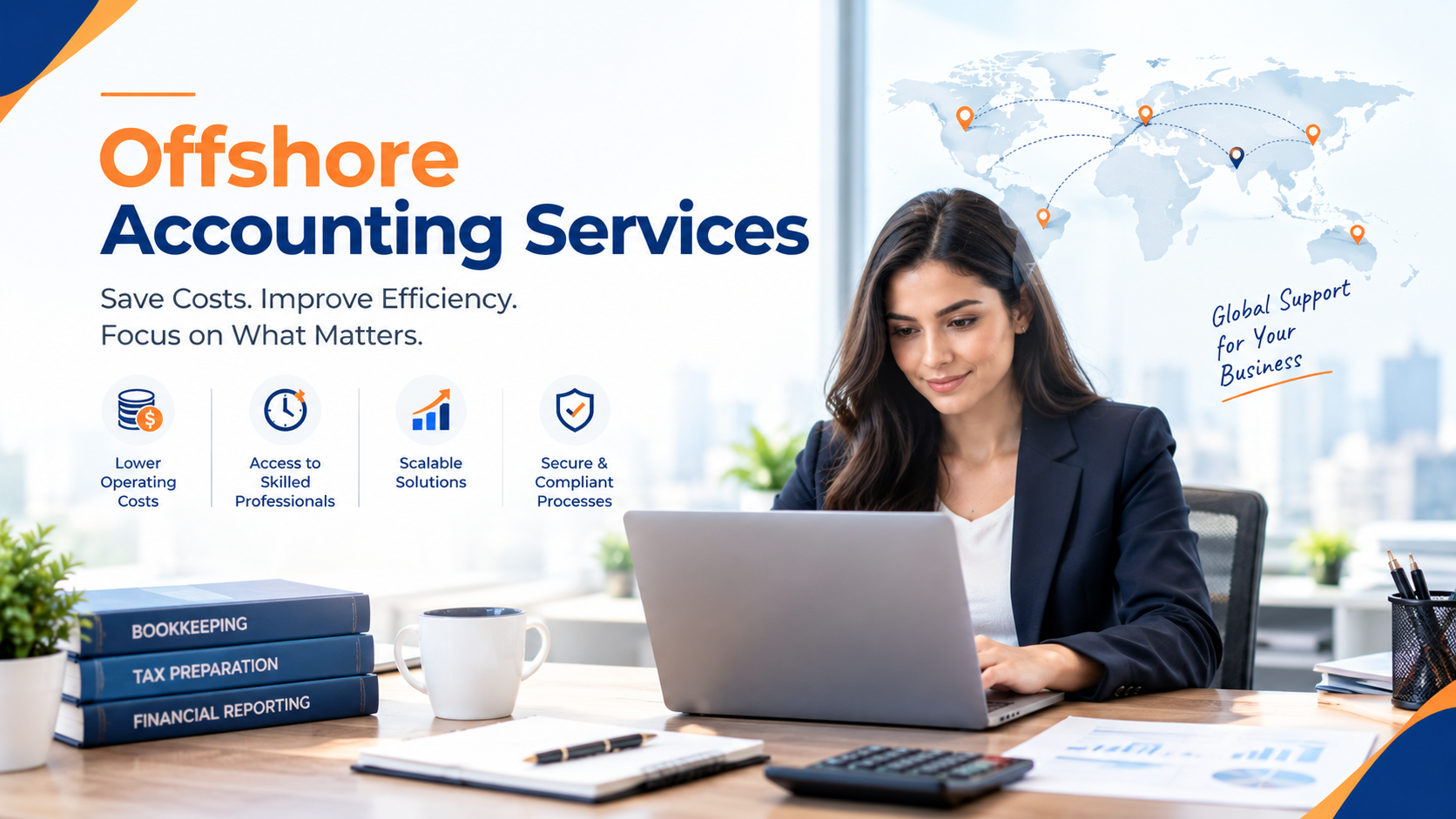
Growth is usually good news for a business, but it can create a surprising amount of pressure behind the scenes. More customers mean more transactions, more invoices, more payroll activity, and more financial records to maintain. For many growing companies, Offshore Accounting Services can provide a practical way to manage that increasing workload without immediately building a larger in-house accounting department.
The idea is fairly simple. Instead of handling every accounting task internally, a business works with an external accounting team located in another country. The team can take care of routine and specialized financial work while the company's internal staff remain focused on operations, customers, and business decisions.
Why Accounting Work Becomes More Complicated as a Business Grows
A small company may be able to manage its books with a basic accounting system and a few hours of attention each week. That approach becomes harder to maintain as the business expands.
Transactions increase. Multiple bank and credit card accounts need regular reconciliation. Accounts receivable becomes more active, while accounts payable requires closer tracking. Payroll gets more complicated as employees are added. Management also starts asking for better financial reports.
At that stage, accounting is no longer just about recording transactions.
Business owners need timely information that helps them understand cash flow, expenses, profitability, and financial performance. If the accounting function cannot keep up, decisions may be based on incomplete or outdated information.
This is one reason companies consider outsourcing before adding several full-time accounting employees.
What Can Be Handled Through Offshore Accounting?
Offshore accounting does not have to mean handing over an entire finance department. Businesses can choose specific responsibilities based on their needs.
Common areas include:
- Daily bookkeeping
- Bank and credit card reconciliation
- Accounts payable
- Accounts receivable
- Payroll support
- Month-end closing
- Financial statement preparation
- General ledger maintenance
- Management reporting
- Catch-up and cleanup bookkeeping
- Tax preparation support
- Audit preparation and documentation
A company might outsource only bookkeeping at first. Later, it may add reporting, reconciliations, or other accounting responsibilities as the business grows.
That flexibility is useful because every company reaches its staffing needs at a different point.
Keeping Internal Employees Focused on Higher-Value Work
One of the biggest advantages of outsourcing accounting is not simply the amount of work completed. It is what internal employees can stop doing.
Imagine a growing company where the operations manager spends several hours every week following up on unpaid invoices. The same manager may also be reviewing expenses, organizing receipts, checking reconciliations, and preparing basic financial reports.
None of those tasks necessarily require the manager's full attention.
When routine accounting responsibilities are assigned to an experienced external team, internal employees can spend more time on activities directly connected to the company's goals.
For business owners, that could mean working with customers, developing partnerships, reviewing pricing, or planning expansion. For managers, it may mean improving processes and leading employees rather than chasing accounting paperwork.
Offshore Accounting Can Support Different Stages of Growth
A common misconception is that outsourcing is mainly for large companies. In reality, a smaller business may find outsourcing useful precisely because it does not have enough accounting work to justify several full-time positions.
A startup might need bookkeeping support but not a full accounting department.
A growing company may need someone handling accounts payable and receivable every day.
A larger organization may need additional support during month-end close, tax season, or periods of rapid expansion.
The requirements can change over time. A good outsourcing arrangement should be able to change with them.
Instead of making one large hiring decision, a company can build accounting support around its actual workload.
Better Financial Visibility Can Improve Business Decisions
Good accounting is valuable because it gives business leaders a clearer picture of what is happening financially.
Accurate books can help management understand where revenue is coming from, which expenses are increasing, how much money is owed to the business, and where cash is being spent.
Regular financial reports can also make it easier to compare current performance with previous periods.
This information becomes especially important during growth. A company can increase sales while still experiencing cash-flow problems. Revenue growth alone does not guarantee that the business is financially healthy.
A properly maintained accounting system gives decision-makers information they can use instead of relying on assumptions.
Choosing the Right Tasks to Outsource
Not every accounting responsibility needs to be outsourced.
Some companies prefer to keep financial strategy, budgeting decisions, and sensitive management responsibilities inside the organization while outsourcing transaction-heavy work.
Others may outsource a much larger portion of their accounting function.
A useful starting point is to identify tasks that are:
- Repetitive
- Time-consuming
- Process-driven
- Easy to document
- Creating a backlog
- Taking senior employees away from important work
Those tasks are often good candidates for outsourcing.
The goal should not be to outsource everything simply because it is possible. The goal is to create a better division of responsibilities.
Communication Matters More Than Location
When working with an offshore accounting team, distance can sound like a concern. However, the real question is whether communication and processes are clearly established.
Before working together, both sides should agree on responsibilities, deadlines, reporting procedures, communication channels, and review processes.
It should also be clear who handles questions when something unusual appears in the books.
Regular communication helps prevent small issues from becoming larger problems. A business should feel that its external accounting team understands its processes rather than simply completing isolated tasks.
Technology Makes Collaboration Easier
Modern accounting work is increasingly digital, which makes remote collaboration more practical.
Cloud-based accounting platforms allow authorized team members to work with financial records without needing to be physically present in the same office. Businesses can also use digital document-sharing systems, communication platforms, workflow tools, and standardized reporting procedures.
The important point is that technology should support the accounting process rather than replace good controls.
Access should be properly managed, responsibilities should be defined, and financial information should be handled carefully. Businesses should also evaluate a provider's security practices before granting access to sensitive financial systems.
What Businesses Should Ask Before Outsourcing
Choosing an accounting partner requires more than comparing prices.
A business should ask how the provider handles quality control, communication, data security, onboarding, reporting, and staff continuity.
It is also worth discussing what happens when the workload suddenly increases.
For example, a company may have relatively stable accounting needs for most of the year but experience significantly higher workloads during tax or reporting periods. The provider should be able to explain how those changes will be handled.
Businesses should also look for a team that understands their accounting software, industry requirements, and preferred workflow.
The cheapest option is not automatically the best option. Accounting mistakes can create much more trouble than a slightly higher service cost.
Start Small and Measure the Results
Companies that are uncertain about outsourcing do not necessarily need to move their entire accounting operation at once.
Starting with a defined area can make the transition easier.
For example, a company might begin with bank reconciliations and monthly bookkeeping. After the process becomes comfortable, it could expand the relationship to accounts payable, accounts receivable, reporting, or other responsibilities.
The company can then measure whether the arrangement is actually helping.
Useful questions include:
- Is the bookkeeping staying current?
- Are reports arriving on time?
- Has the internal workload decreased?
- Are fewer accounting issues being carried forward?
- Is management getting better financial visibility?
- Can internal employees spend more time on important business activities?
These answers can help determine whether outsourcing is delivering meaningful value.
A Practical Approach to Building a Scalable Accounting Function
Business growth should not automatically mean adding more administrative pressure.
The accounting function needs to grow with the company, but that does not always require building a large internal department. For many US businesses, Offshore Accounting Services can provide additional accounting capacity while allowing internal employees to concentrate on responsibilities that require their direct involvement.
The most successful approach is usually thoughtful rather than rushed. Businesses should identify the work creating the biggest bottlenecks, establish clear processes, choose a capable accounting partner, and gradually expand the relationship when it makes sense.
When the right tasks are handled by the right people, accounting becomes less of a daily burden and more of a reliable foundation for growth.

 English
 Arabic
 French
 Spanish
 Portuguese
 Turkish
 Dutch
Dutch
 Italiano
 Russian
 Romaian
 Portuguese (Brazil)
 Greek
Greek